Author: Luong Tam | Tenkara Tanuki

  • Building My First Tenkara Rod

    Building My First Tenkara Rod

    From kitchen prototypes to the first finished rods

    After the prototypes were completed, my excitement quickly shifted to the next challenge: finding a rod maker who could help turn these experiments into real rods.

    Thanks to the internet, the entire world suddenly sat on my desktop.

    Unfortunately, none of the rod makers in the United States were interested in building a small run of prototypes. Some quoted prices that were simply out of reach. Others required long lead times—six months at minimum—along with large upfront deposits. At the same time, Japanese and Taiwanese rod builders weren’t interested in prototype work either. Many preferred to sell existing designs or tell me what they thought was best for me.

    I wasn’t looking to be sold a rod.

    I was looking for someone willing to build one with me.

    I searched through countless listings on platforms like Alibaba. Most factories wanted to push what they already had in stock. Others were unwilling to deviate from their standard designs.

    Then I found a small rod maker in China with a very different response.

    “Tell us what you want,” they said. “We’ll do our best.”

    That was all I needed to hear.

    I explained that I wanted to go through at least three rounds of prototypes, each built to my specifications. Their response was straightforward:

    “No problem—we’ll send you the PI options.” (PI stands for Purchase Invoice.)

    The standard turnaround time for a prototype was about four weeks. If I wanted it completed in less than two weeks, the cost would double. I chose speed—I couldn’t wait to see the first result. Even at double the cost, a two-week turnaround, combined with international shipping via FedEx, was still faster and more practical than any other option I had explored.

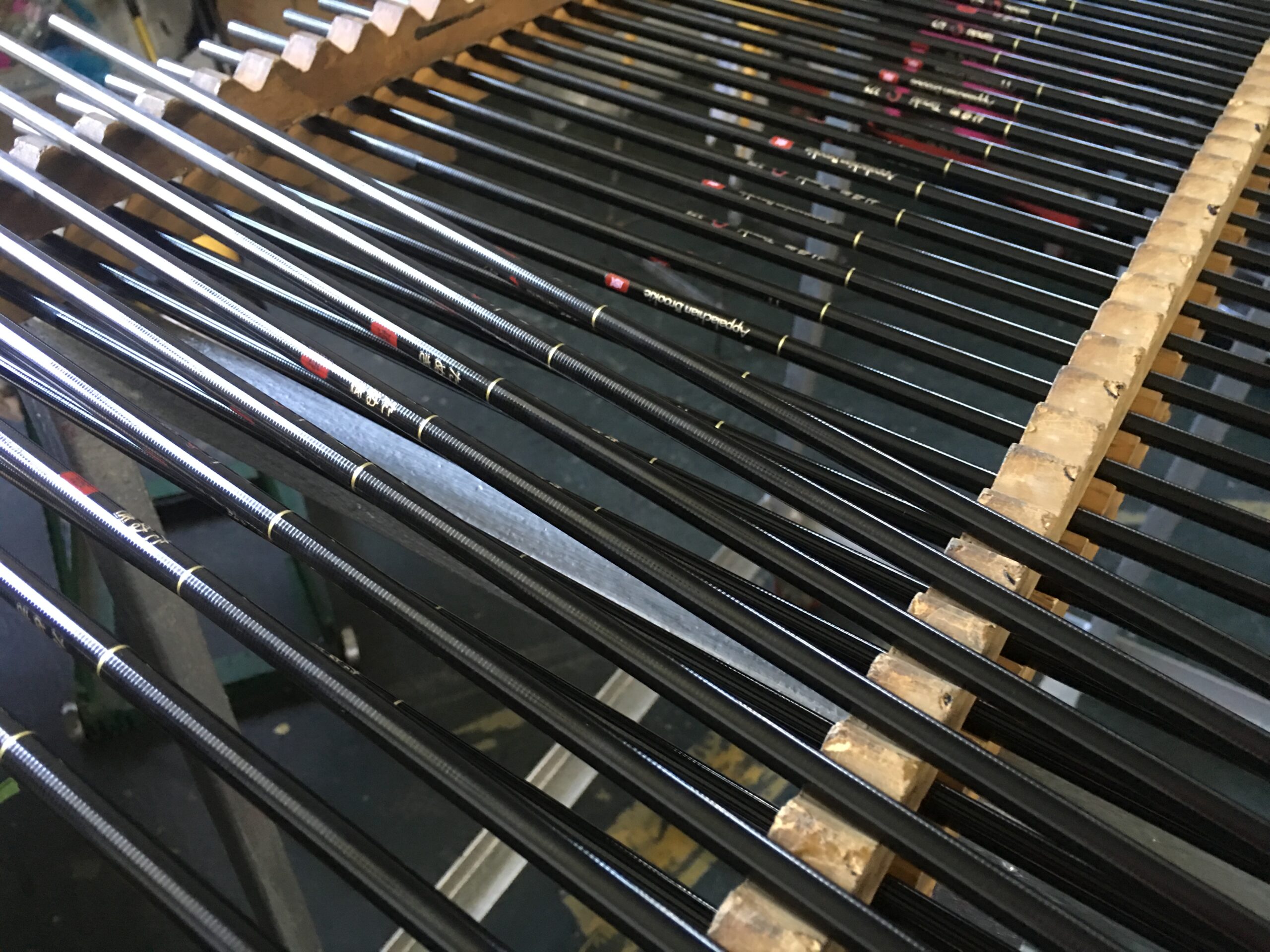
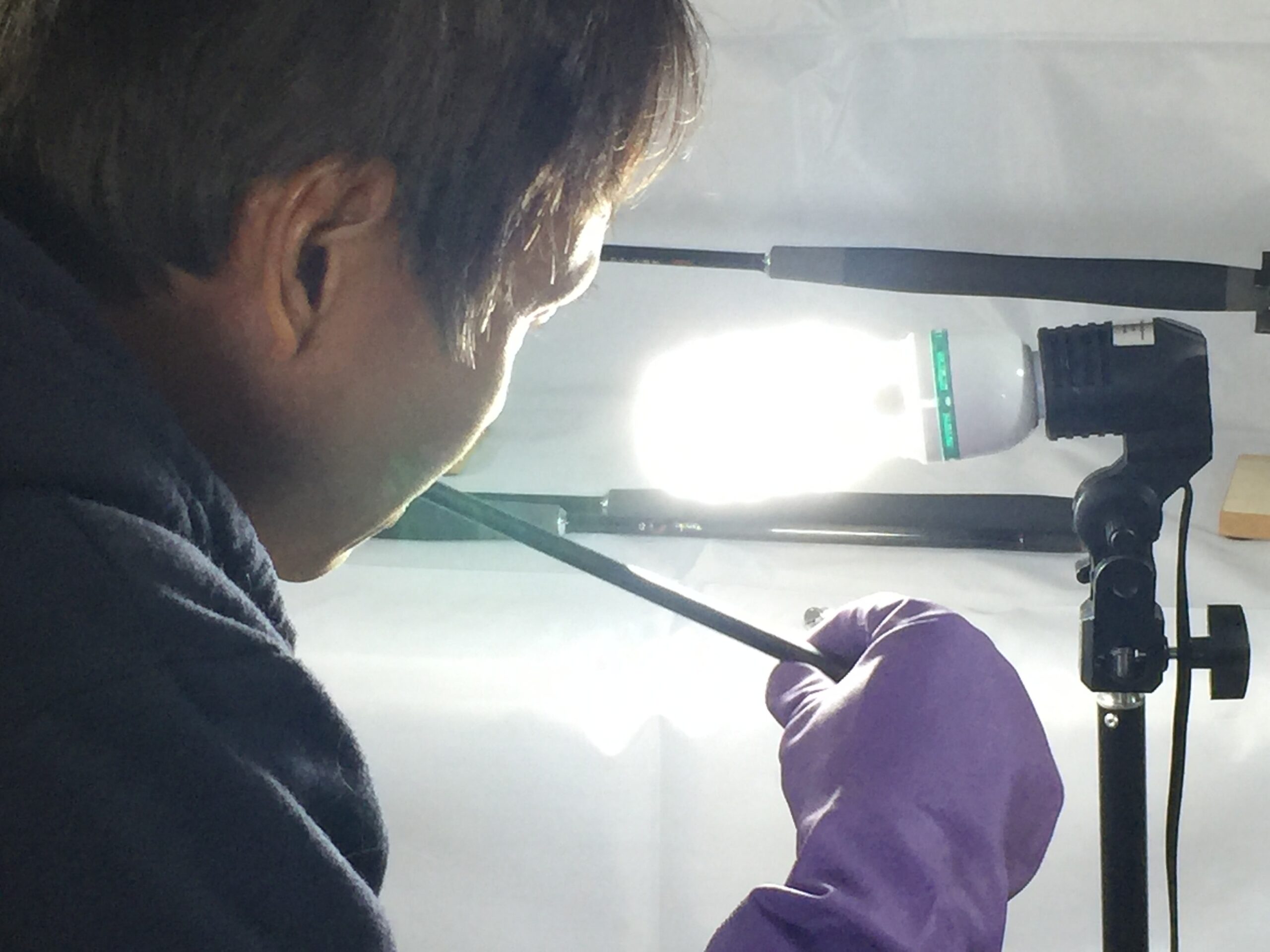
    The first batch arrived quickly: three prototype rods, each built with different materials. This allowed me to closely inspect carbon quality, construction consistency, and overall craftsmanship.

    After extensive handling and testing at the casting pond, I settled on Toray 46T high-density carbon, roughly equivalent to IM12. It was noticeably lighter and more responsive than lower-modulus options. The trade-off was higher cost and slightly reduced flex—but it aligned with my design goals.

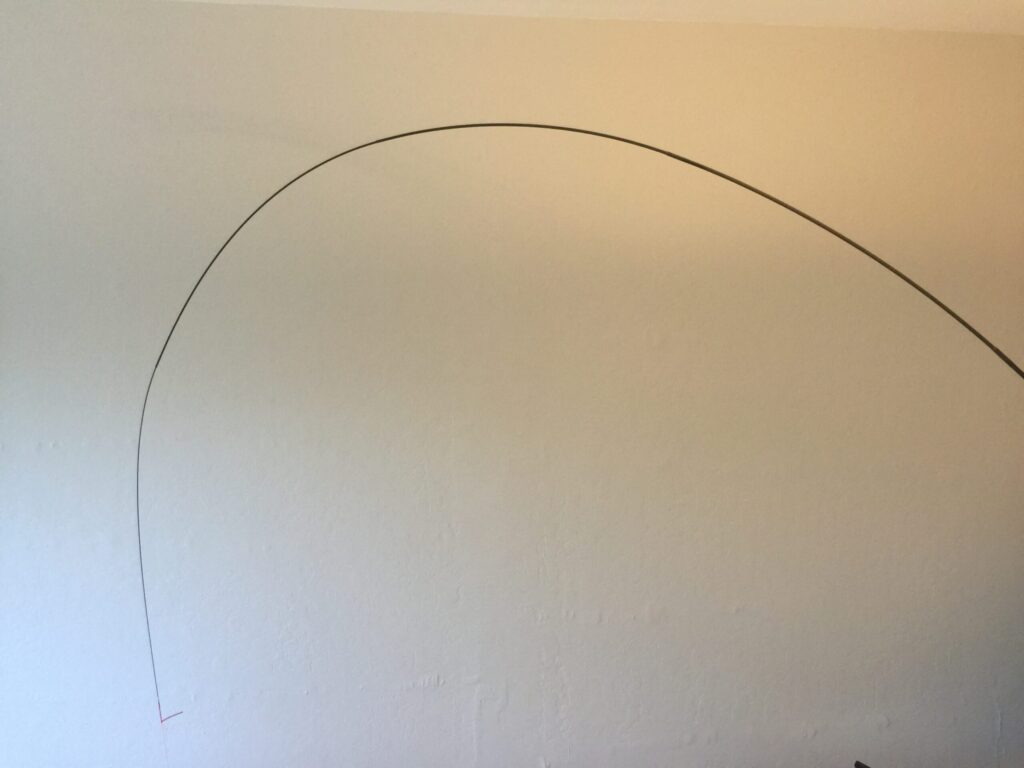
    The second round of prototypes focused on improving flexibility and refining craftsmanship. I worked directly with the factory’s rod engineer, and to speed up the process we conducted strength tests and live rod-bend curve evaluations over Skype. This approach saved both time and shipping costs.

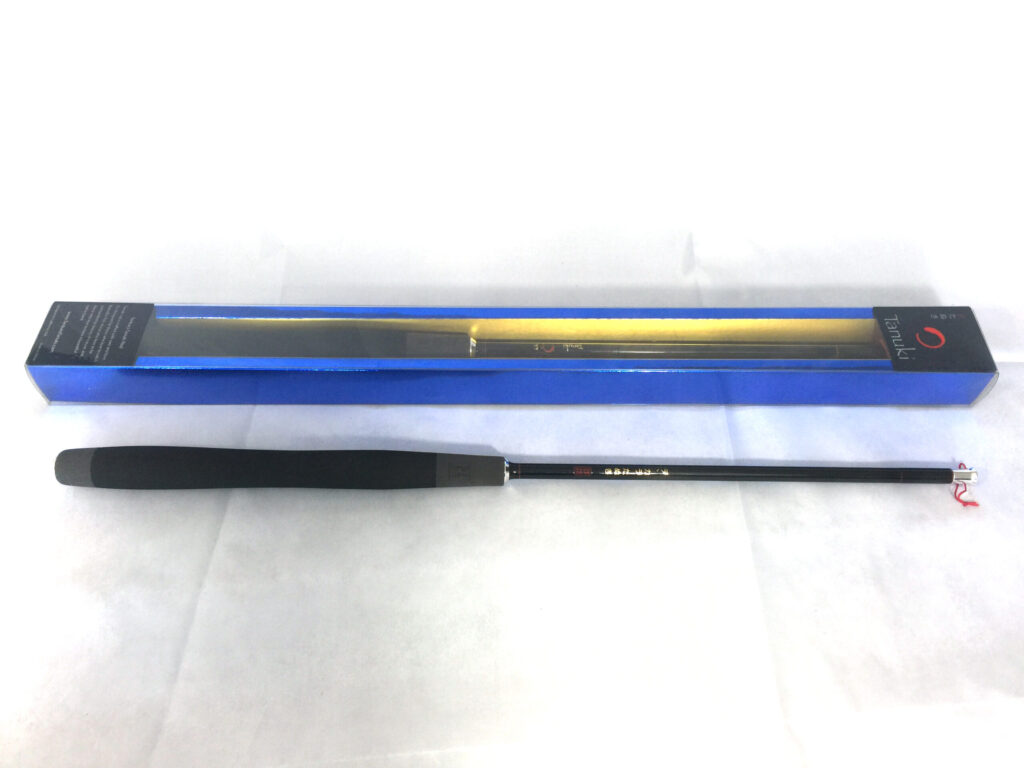
    By early February 2015, ten final rods were delivered with a simple label: Fatmonk 360 (360 cm). Ten rods were enough for me—to fish extensively and to gift to a few close fishing friends.

    I was thrilled.

  • Choosing My First Tenkara Rod — An Engineer’s Perspective

    Choosing My First Tenkara Rod — An Engineer’s Perspective

    After finally fishing with a Tenkara rod, I did what I always do when something truly captures my curiosity. As soon as I got home, I shut myself in a room and spent endless hours researching—reading, comparing, and trying to understand what actually made a Tenkara rod work.

    Choosing my first rod wasn’t easy. Nearly every rod I came across was well regarded and highly praised by Tenkara anglers. But I quickly noticed a pattern: most praise depended on who owned the rod. Everyone loved what they already had.

    Because rod building had been my hobby since I was nine years old—and because I had built my own split bamboo fly rods during the dot-com bust around 2000—I approached the search differently. I wasn’t looking for hype. I was looking at materials, construction, and taper. As both an engineer and a bamboo rod builder, taper mattered to me far more than brand names.

    At the same time, I kept my expectations grounded. A Tenkara rod cost about the same as two tanks of gas for a fishing trip. I decided to start simple.

    I bought a Dragontail rod for about $65. At the time, many people dismissed Tenkara as a fad, and I didn’t want to overcommit before I truly understood it.

    I quickly grew attached to that Dragontail rod. I fished it constantly, using it to prepare for the Tenkara Summit in September 2014, held in Boulder and hosted by Tenkara USA.

    That trip changed everything.

    At the summit, I learned directly from Dr. Hisao Ishigaki, a Japanese Tenkara master. Watching him manipulate the fly and control the drift opened my eyes—not just to Tenkara, but to fly fishing as a whole. It was the simplest form of fly fishing I had ever seen, yet also the most intentional.

    By the end of the summit, my thinking had shifted. I wanted the longest rod Tenkara USA offered—but it was sold out. I was told to order it online.

    On the drive back to California, I was completely energized. I stopped whenever I saw water along the roadside and practiced the fly-manipulation techniques I had just learned. By the time I got home, I felt ready to step up.

    After more research, I found myself on the website of Tenkara no Oni—which roughly translates to “The Devil of Tenkara.” I purchased what I considered the most beautiful rod I had ever seen: a 13-foot Oni Type I with a bamboo handle, for about $400 including accessories.

    The Oni rod was remarkable. Although it was longer than the Dragontail, it felt lighter, better balanced, and significantly easier to cast. From the first few casts, it felt as if the rod had been made specifically for me.

    I couldn’t wait to test it properly, so I loaded the car and took a short trip to Baum Lake in California. Baum Lake is famous for steady fish activity on cloudy autumn days, when trout rise consistently for midges. With its slow-moving water, it’s an ideal place for dead-drift presentations.

    On a good day, landing 30 to 50 fish is normal there; landing more than 100 is not uncommon.

    My first day with the Oni rod was humbling. I broke off five fish out of ten and landed only three out of five solid hookups. But within a few hours, something clicked. My hook-up rate improved, and landing fish became more controlled and deliberate.

    Fishing both the Dragontail and the Oni made me aware of what each offered me on the water. The Dragontail gave me confidence when controlling fish, especially in fast current. The Oni felt effortless in casting—light, balanced, beautifully crafted, and deeply connected to the fish.

    Over time, I found myself wishing there were a rod that combined what I valued in both. Most of the trout I catch are wild fish in high-mountain Sierra streams, where a 12-inch trout is a trophy and strong current is the norm. But in some waters near larger lakes—like the Upper Owens River, Robinson Creek, and the East Walker River—20-inch fish are not uncommon.

    In those conditions, I wanted the lightness, casting fluidity, and sensitivity of the Oni, paired with the control and confidence the Dragontail gave me in fast water. Maybe I was asking too much—but I wanted a rod that treated a 10-inch fish in the Owens Gorge like a trophy, while still offering the control to handle a 22-inch fish when it mattered.

    For me, choosing the rod mattered deeply. Rod making is my craft. A good Tenkara rod costs only a fraction of a fly rod, yet its impact on feel and performance is enormous. For a serious angler, choosing the right Tenkara rod is not trivial—it shapes the entire experience.

  • What Fishing Different Tenkara Rods Taught Me

    What Fishing Different Tenkara Rods Taught Me

    Fishing the Oni rod was both wonderful—and frustrating.

    The casting was beautiful. The rod loaded smoothly, the line unfurled cleanly, and everything felt effortless in the air. But once a fish was hooked, I began to struggle. The deep, wide arc of the rod bend made it difficult for me to reach the line, and with a long line out, controlling a good-sized fish became challenging.

    I realized quickly that this wasn’t a flaw in the rod—it was a mismatch between my skill and what the rod was asking of me.

    For the next few weeks, I practiced long-line casting at the Oakland Casting Pond. Through repetition, something became clear to me: casting a Tenkara rod is not about distance. It’s about presentation.

    I wanted the fly to land first, followed by the tippet gently laying down on the water—quietly, naturally—so the fish wouldn’t be spooked. But as the line grew longer, it also grew heavier, and too often the line landed before the fly. I hadn’t mastered the cast yet, but I felt confident enough to test what I’d learned on the water.

    So I took the Oni rod back to Baum Lake.

    Baum Lake is famous for its baetis hatches on cloudy days. The conditions were perfect—steady rises, calm water, and plenty of opportunities. My friends Collin and David met me there. While much of the country was glued to TVs for the final weekend of football, we were standing beside a lake, watching trout feed.

    Collin and David sat on the bank eating lunch and watching me fish. Every time I hooked a fish, laughter echoed across the water.

    In a lake, a hooked fish usually dives deep—it’s safer down there. But Baum Lake is frequently stocked for the holidays, and freshly stocked fish panic. Instead of diving, they run wildly in every direction.

    With the Oni rod bent into a deep horseshoe and a long line extended, I struggled to control the fish. Tenkara rods don’t have reels, so I turned my upper body sideways to bring the line closer to me.

    I was the reel.

    More than once, a hooked fish swam around my legs, wrapping the line. One fish darted between my feet as I tried to net it—and in that moment, I accidentally broke the rod tip.

    I walked back to the bank to join Collin and David for lunch. But watching fish continue to rise, I couldn’t sit still. I grabbed my Dragontail rod and went back out.

    A few casts later—fish on. Then the 6X tippet snapped. Again and again, I broke fish off. Over time, the break-offs became less frequent.

    Looking back, the lesson was clear: it was all about adjustment.

    With the Oni rod, I needed a firmer hook set than I used with the Dragontail. The rods asked for different inputs—different timing, different control.

    That night over dinner, Collin and David were still laughing.

    “Bro,” one of them said, “after watching your fish-landing performance today, we realized we paid way too much for Cirque du Soleil last month in Las Vegas.”

    We all laughed.

    Fishing was over.

    The next morning, I stayed behind to fish while they headed out early for the holiday. The weather was perfect—cold, overcast, and the fish were hungry. For two straight days, I stayed on the water nearly eight hours at a time, grabbing a quick PowerBar for lunch to take full advantage of the conditions.

    By the end of the second day, the fish finally slowed down—and my body did too. My right wrist was sore, then painful. By the time I left, I could barely turn the steering wheel with my right hand.

    The drive down the mountain toward Redding was tense—snow and rain reducing visibility, my wrist throbbing with every turn. Once I reached Redding, the road flattened and my thoughts settled.

    I started replaying the last few days.

    The Oni rod was beautiful to cast but demanding when landing strong fish with a long line. The Dragontail was heavier and less refined in balance, but much easier to control fish—especially with a shorter line on faster water like the Merced River. Yet when casting long lines, fatigue crept in quickly.

    I kept wondering—what if there were a rod in between?

    Not better. Not ultimate.

    Just a rod that fit me.

    Later, I realized the fatigue came from several factors: unfamiliar wrist angles, Japanese grip habits my body wasn’t accustomed to, hours of repetitive casting without adequate rest for muscle recovery, and the increased torque created by the rod’s length acting as leverage while landing fish.

    That’s when the idea began to take shape.

    What if I built a rod that matched my body, my casting style, and the way I fish?

    A rod that was light, balanced, and effortless to cast—because casting mattered to me. After all, I spent as much time at the casting pond as I did on the river.

    The idea of building a custom rod wasn’t sudden.

    It was inevitable.

  • Designing a Custom Tenkara Rod — An Engineer’s Approach

    Designing a Custom Tenkara Rod — An Engineer’s Approach

    From fishing experience and data collection to first prototypes

    After the long-line fishing trip at Baum Lake, I wasted no time. Despite a wrist that was still sore, I dove straight into research—digging through reviews, watching videos, reading forum discussions, and studying online shops. I was searching for what I thought might already exist: a Tenkara rod that fit me, evaluated through the combined lens of a rod builder and an engineer.

    I couldn’t find one.

    That realization became the trigger.

    I’m trained as a design engineer by trade, and I’ve spent years working with manufacturing and hands-on building. Designing and building a custom telescopic rod, from a complexity standpoint, is far less demanding than building a split bamboo fly rod—which I had already done. The challenge wasn’t whether I could build one. It was how to approach it correctly.

    I started the same way I approach any engineering problem: data collection.

    I carefully analyzed rod tapers, section counts, lengths, and on-water behavior. But when it came to materials, reading wasn’t enough. I needed to feel them. I purchased all kinds of rods and rod blanks—some through online marketplaces, others from custom Tenkara rod suppliers—to understand how modern materials affected rod action.

    Coming from a bamboo background, I had always understood rod action as largely a function of taper. In bamboo, taper is everything. Change the taper, and you change the rod.

    Modern Tenkara rods are different.

    With contemporary materials, rod action is no longer a single-variable problem. It’s shaped by material properties, construction techniques, wall thickness, section transitions, and taper working together. The rod isn’t just a profile—it’s a system.

    Shortly after the holiday season, I began building my first prototypes—right out of my kitchen.

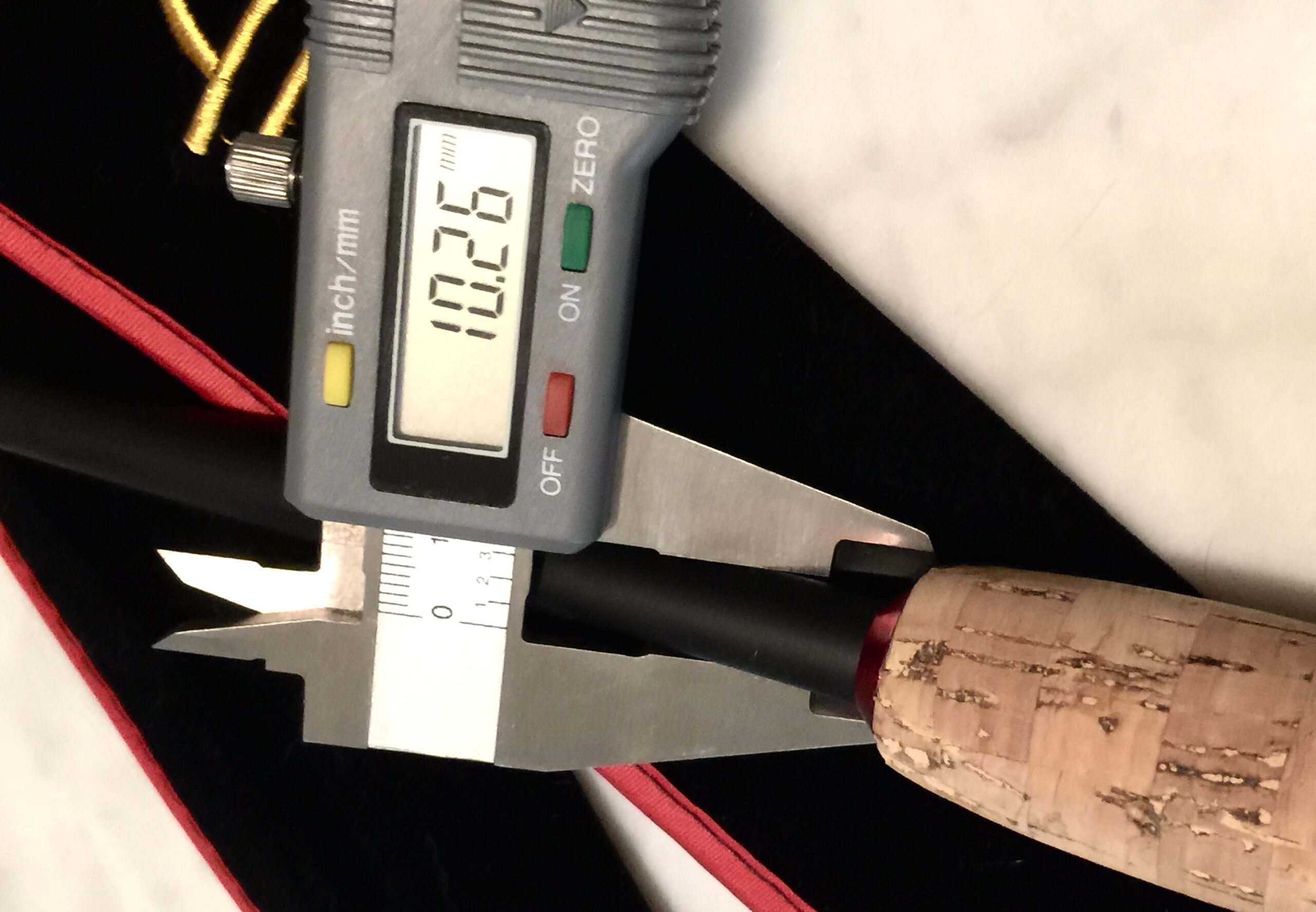
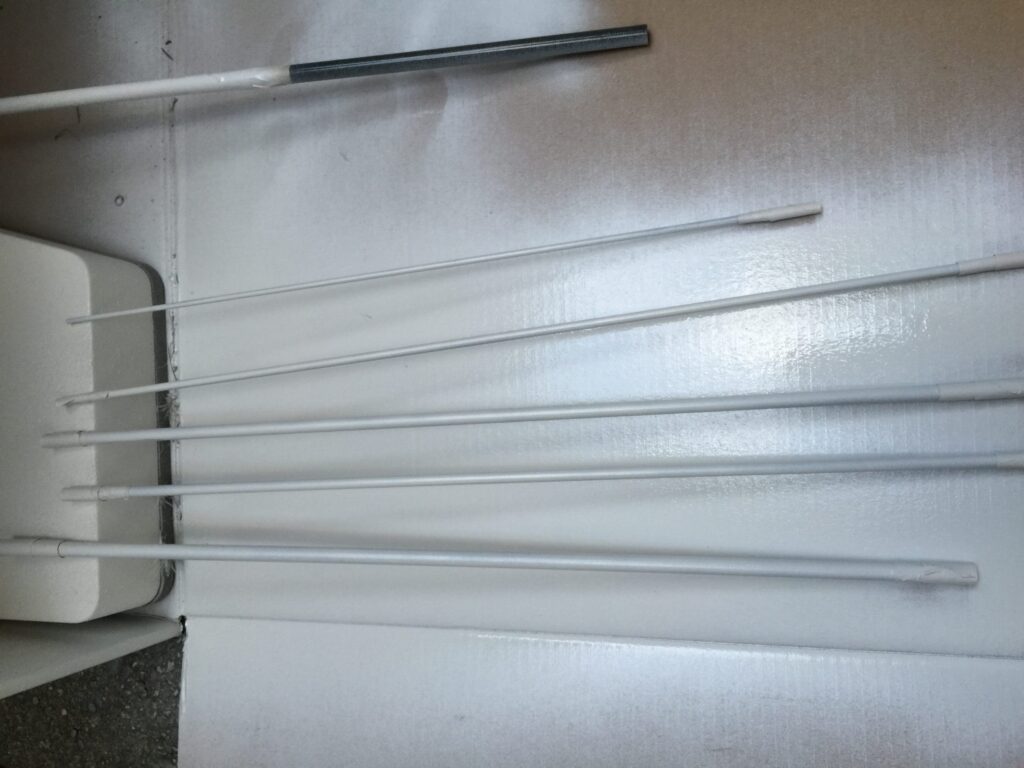
    I didn’t have factory equipment. I wasn’t cutting blanks with power saws and water cooling like the factories you see online. Instead, I used what worked: an old serrated kitchen knife, which turned out to be surprisingly effective, and a water stone to smooth the edges. I taped sections together using duct tape and masking tape, focusing purely on function, not appearance.

    Once the prototypes were assembled, I took them to the casting pond to gather feedback. Experienced fly casters gave thoughtful input on balance, grip, and feel—but the most valuable feedback came from an unexpected group: children.

    Experienced casters could adapt to almost anything. Children couldn’t.

    They were drawn immediately to the prototypes that were light, easy to cast, and forgiving—because their wrists were weaker and their movements less refined. That feedback was honest, unfiltered, and incredibly revealing.

    After several rounds of casting, feedback, and fine-tuning, the direction became clear.

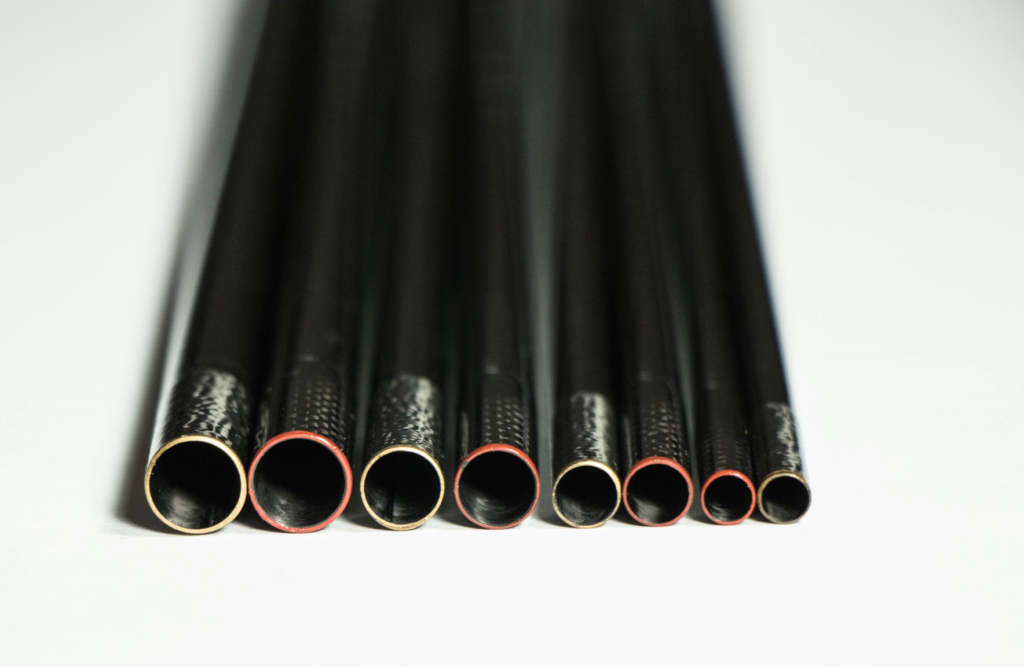
    Building a modern carbon-fiber rod entirely on my own would be extremely expensive and would require specialized equipment and manufacturing experience far beyond a home setup. From an engineering and practical standpoint, it made far more sense to commission the work to a professional shop—one that already had the tools, processes, and expertise—while I focused on design intent, testing, and refinement.

    That decision marked the next phase of the journey, It was time to find a shop that could help turn these experiments into a real rod.

  • A Chance Meeting on the River That Changed My Fly Fishing

    A Chance Meeting on the River That Changed My Fly Fishing

    Before I Knew the Name

    This year marks ten years since I first released a Tanuki rod.

    It feels natural to celebrate, but celebration doesn’t quite feel right. What feels more honest is reflection.

    Before there were rods, designs, or names, there was a trip to Yellowstone National Park — a trip that quietly redirected my path. I didn’t know it at the time, but that experience would shape how I fish, how I build, and how I think about simplicity and restraint.

    This journal begins there.

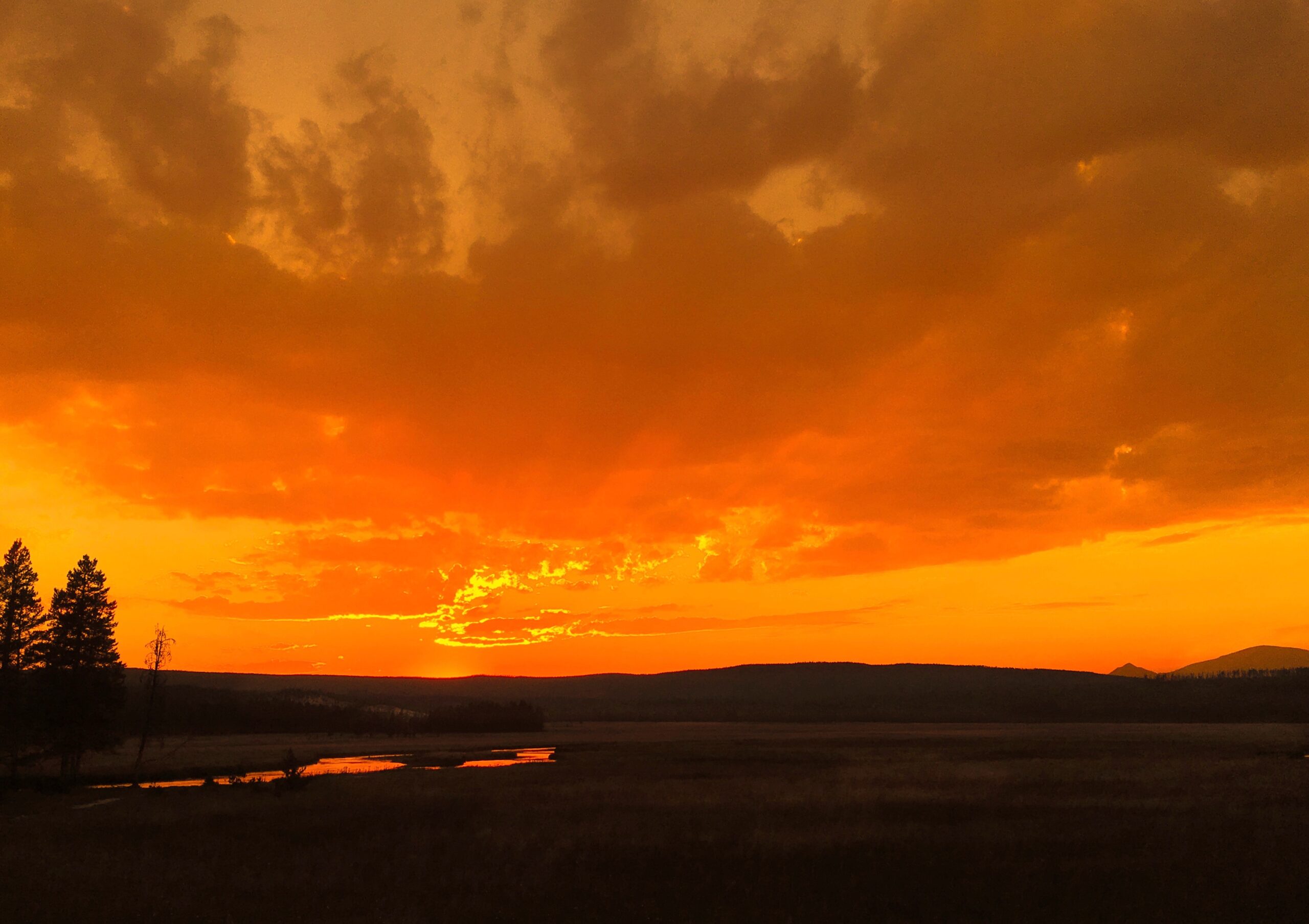
    Back in the early 2000s, on one of my fishing trips to the Yuba River in California, I arrived at one of my favorite fishing spots. To my surprise, there was already another angler there — an Asian fly fisherman quietly sitting on a boulder, watching the sunset.

    Instead of rushing to fish, I took the opportunity to talk with him. We chatted as the sun slowly disappeared beyond the horizon. His name was Taka, a student from Japan studying in California. As the light faded, caddisflies began to rise, and soon the river came alive — fish breaking the surface, almost as if the water were boiling.

    We fished together, unhurried and fully present. Each of us landed three to five fish. There was no rush, no competition — just the river, the evening, and the moment.

    On the hike back to the parking lot, Taka casually said something that stayed with me. He mentioned that he would have had even more fun if he had brought his 14-foot Tenkara rod from Japan.

    “Wow,” I said, surprised. “That must be heavy — and hard to cast. What’s a Tenkara rod?”

    He smiled and replied simply,

    “It’s very light, easy, and effective.”

    “Really?” I asked, doubtful.

    “Oh yes,” he continued. “It fits the American style very well — easy, fun, and efficient.”

    That word — Tenkara — lodged itself in my mind. At the time, I didn’t really know what it meant. My thoughts were elsewhere. I was deeply interested in building my own split bamboo rods. Rod building had been my passion since I was nine years old.

    But that quiet evening on the Yuba planted a seed.

    About ten years later, while fishing with Kevin Chan, the word surfaced again. Kevin mentioned that he had worked and lived in Japan for a while.

    “What is Tenkara fly fishing?” I asked.

    He answered without hesitation,

    “The highest form of fly fishing.”

    “How so?” I pressed.

    “It’s simple and easy to learn,” he said. “Tenkara fly fishing is really about presenting a fly — or manipulating it. It’s like Go, the Japanese board game — easy to learn, but hard to master.”

    That phrase — the highest form of fly fishing — planted the seed deeper.

    Discovering Tenkara

    Years later, in 2014, during a Memorial Day weekend trip to the Firehole River in Yellowstone, I finally experienced Tenkara firsthand. A fellow angler from Denver was fishing a 330 cm (10’6”) Tenkara rod and was consistently out-fishing me.

    He noticed my curiosity, handed me the rod, and showed me how to use it.

    The rod felt incredibly delicate compared to my 2-weight Sage fly rod. I was cautious, making a gentle cast. On the very first drift — bang — a 10-inch brown trout grabbed the fly and charged downstream. It felt like a monster.

    The rod bent deeply, almost into a horseshoe. Instinctively, I reached for the reel — then realized there was none. Panic set in. Afraid I would break the rod, I lowered the rod tip the way I would with a fly rod. The line straightened, and the fish broke off.

    The angler laughed.

    “I did the same thing my first time,” he said.

    I handed the rod back to him.

    “Isn’t it fun?” he asked.

    I was stunned by how natural it felt — how light, how direct, and how alive the experience was. In that moment, the seed that had been quietly resting for years finally sprouted.

    When I returned home, I rushed to the computer and spent endless hours researching Tenkara rods. What began as a quiet curiosity turned into a deep pull.

    That was the beginning of a journey I didn’t yet understand.