

The Tanuki 375 was born at Oni School —a place that quietly reshaped how I thought about tenkara, and about myself as a rod maker. It was there that I first met Christ Stewart founder of TenkaraBum, and MD. Robert Worthing, one of the founders of Tenkara Guides.
When I returned home, I started looking for a name.
Somehow, I landed on Tanuki—and it felt inevitable. My first trip to Japan was in 1980, when I stayed in Tokushima, a region known for its Awa Tanuki folklore. That image had been sitting quietly in my subconscious for decades.
The Tanuki is a trickster in Japanese folklore—and fly anglers are tricksters too, always trying to outsmart a fish with line, fly, and presentation. Then there’s the inside joke: tanuki are famously depicted with oversized sacks—practical, humorous, and impossible to ignore. Somehow, that irreverent spirit fit the rod a little too well.
If you’re curious about the folklore behind the tanuki, you can watch the youtube here: https://www.tofugu.com/japan/tanuki/
Once the name settled in, the logo came next.
My first attempt—a simple tanuki—felt charming but confusing. It didn’t immediately say fishing. I wanted something that hinted at Japanese identity without spelling it out.
I wanted something simple. Quiet. Complete.
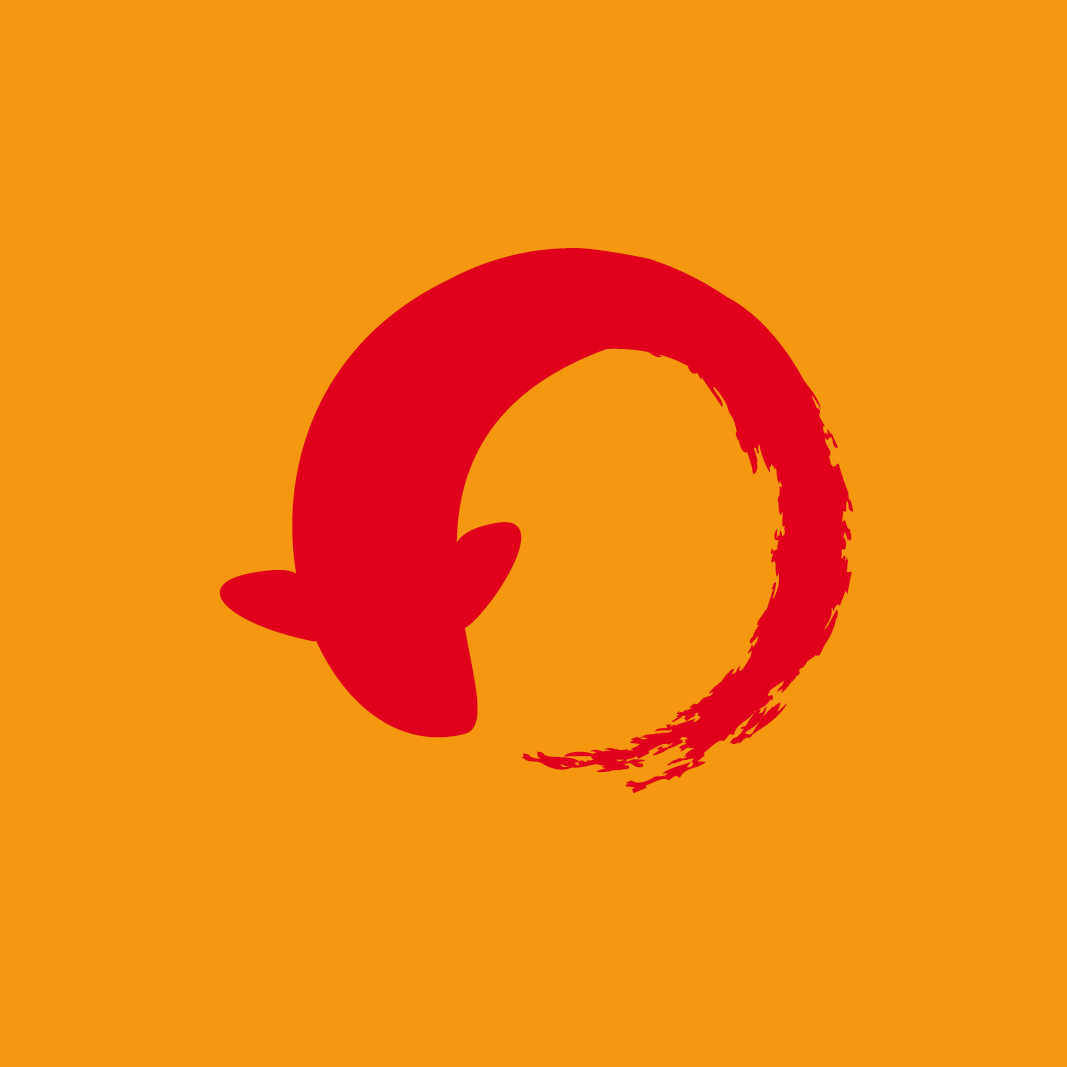
The enso symbol felt right. To an angler, it reads instantly as a fish. To others, it’s a circle—unfinished, balanced, and intentional. By combining the fish with the enso, the logo became both literal and symbolic, much like the rod itself. When I put the designs up for a vote, the enso fish won easily.
That moment marked the real beginning of the Tanuki 375—not as a product launch, but as a moment of clarity. A small idea, encouraged at the right place, at the right time.
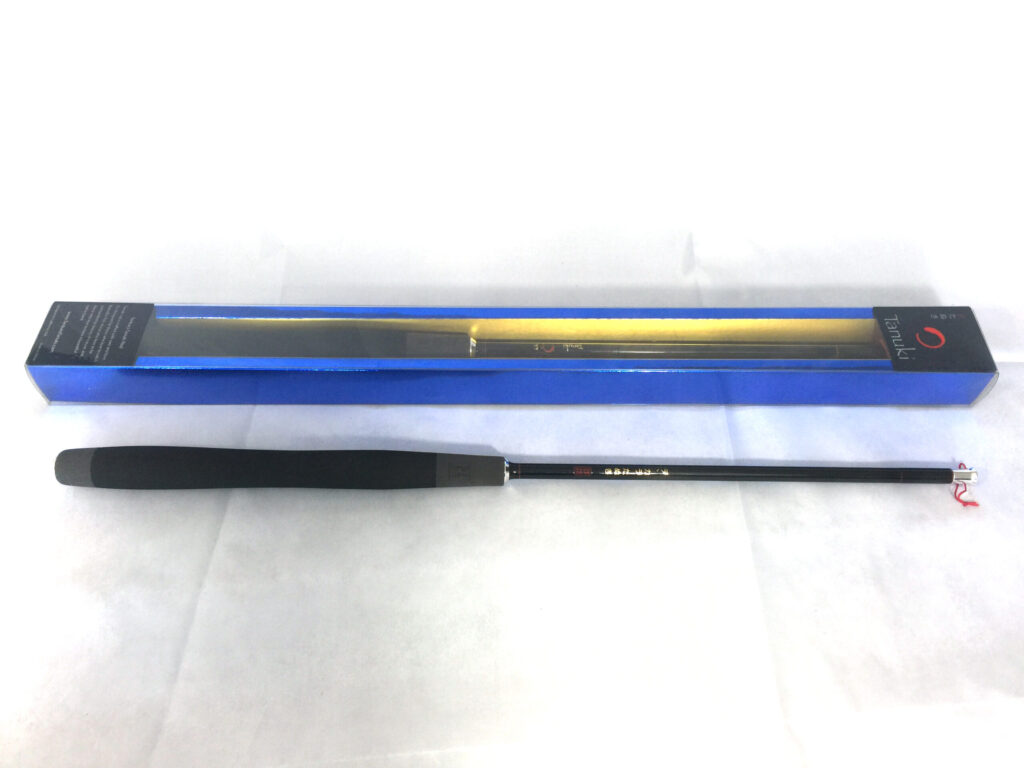
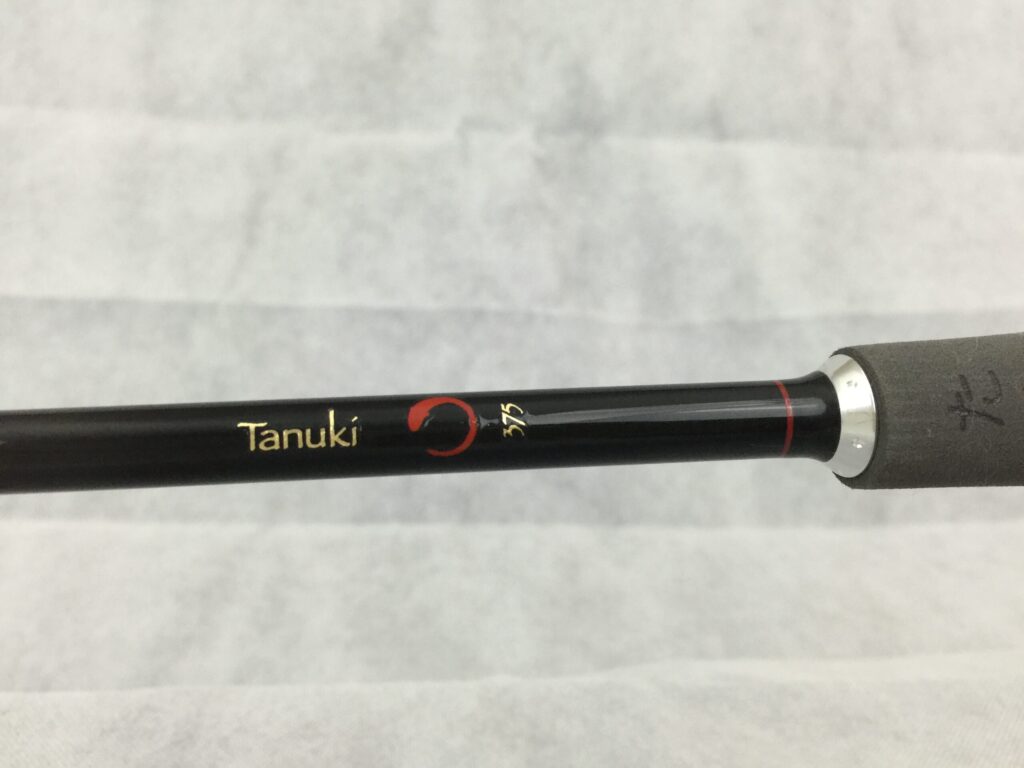
From there, the visual language followed naturally. A rod that felt Japanese without ever saying it was Japanese. Simple colors—black and gray, with a restrained touch of red. I studied Japanese packaging and worked toward something that felt quiet, intentional, and familiar.
When the rods were finally completed, I contacted Chris again. I assumed he would carry them. This time, he hesitated. To protect the identity of “Japanese-made” rods, he decided not to carry the Tanuki 375. The rods were made in China, and he was concerned about long-term consistency and restocking.
I was disappointed—but not discouraged.
I built a small online store. A friend suggested I try Facebook to spread the word. A few weeks later, the rods arrived.
And then something unexpected happened—in the best possible way.
The rods began to sell on their own. That early success gave me momentum and confidence to keep designing. Ideas started circling constantly. I found myself distracted at work, my mind always drifting back to rods, tapers, and materials.
Eventually, I made a decision that felt both risky and inevitable. I devoted myself full-time to rod design—and to building a community around it, something I’ve enjoyed just as much as making the rods themselves.
⸻
Looking Ahead
Since the Tanuki 375, I’ve learned an incredible amount about tenkara rods—materials, taper, swing weight, balance, and how subtle design choices change how a rod actually feels on the water. In the next series, I want to share those lessons. Not as marketing, but as understanding—why rods behave the way they do, and how the design process can make fishing feel simpler and more connected.
This story marks the first step of Tanuki on a thousand-mile journey. When I think about the Tanuki 375 now, I don’t think about specs or measurements. I think about where I was, what I didn’t yet know, and how much the rod taught me in return. At the time, I couldn’t see where it would lead—and that uncertainty was part of the beauty. The journey was just beginning, like a mayfly drifting through twists and turns of the current.