Author: Luong Tam | Tenkara Tanuki

  • Owens River Clean Up, October 3, 2026

    Owens River Clean Up, October 3, 2026

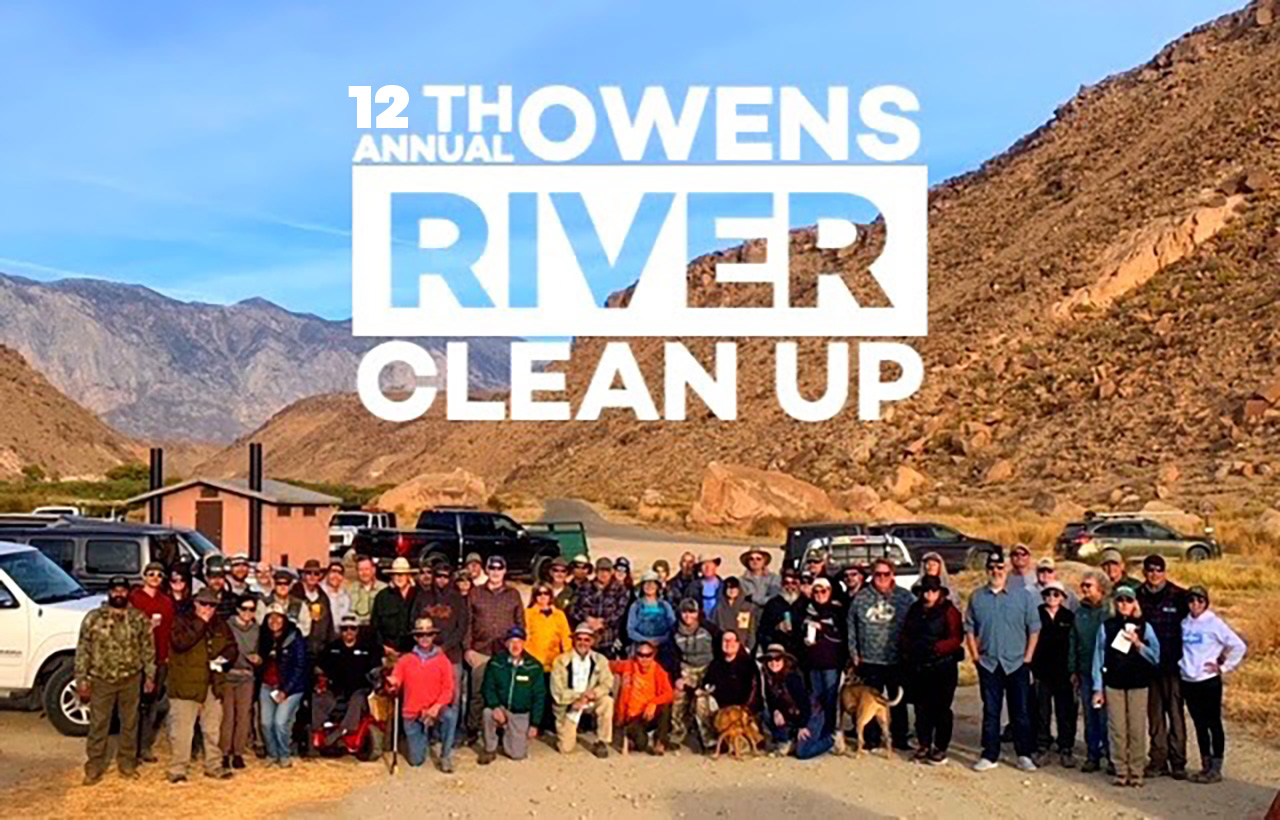
    The 12th Annual Owens River Clean Up is scheduled for Saturday, October 3, 2026, starting at 8:00 AM at Pleasant Valley Campground, Bishop CA

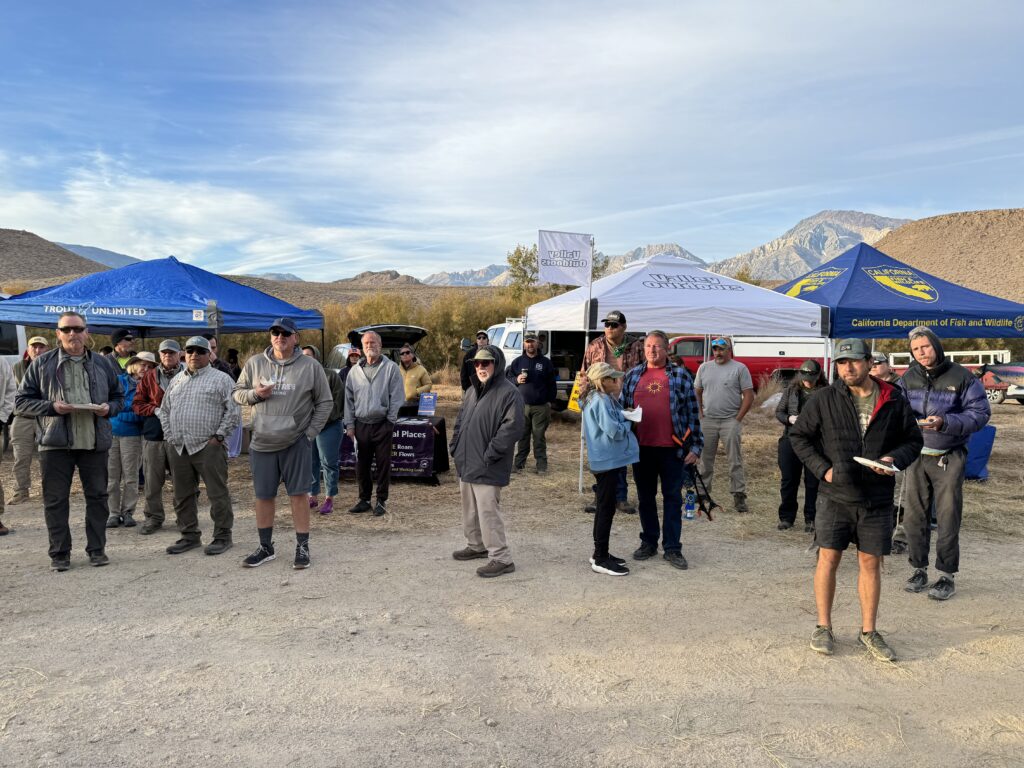
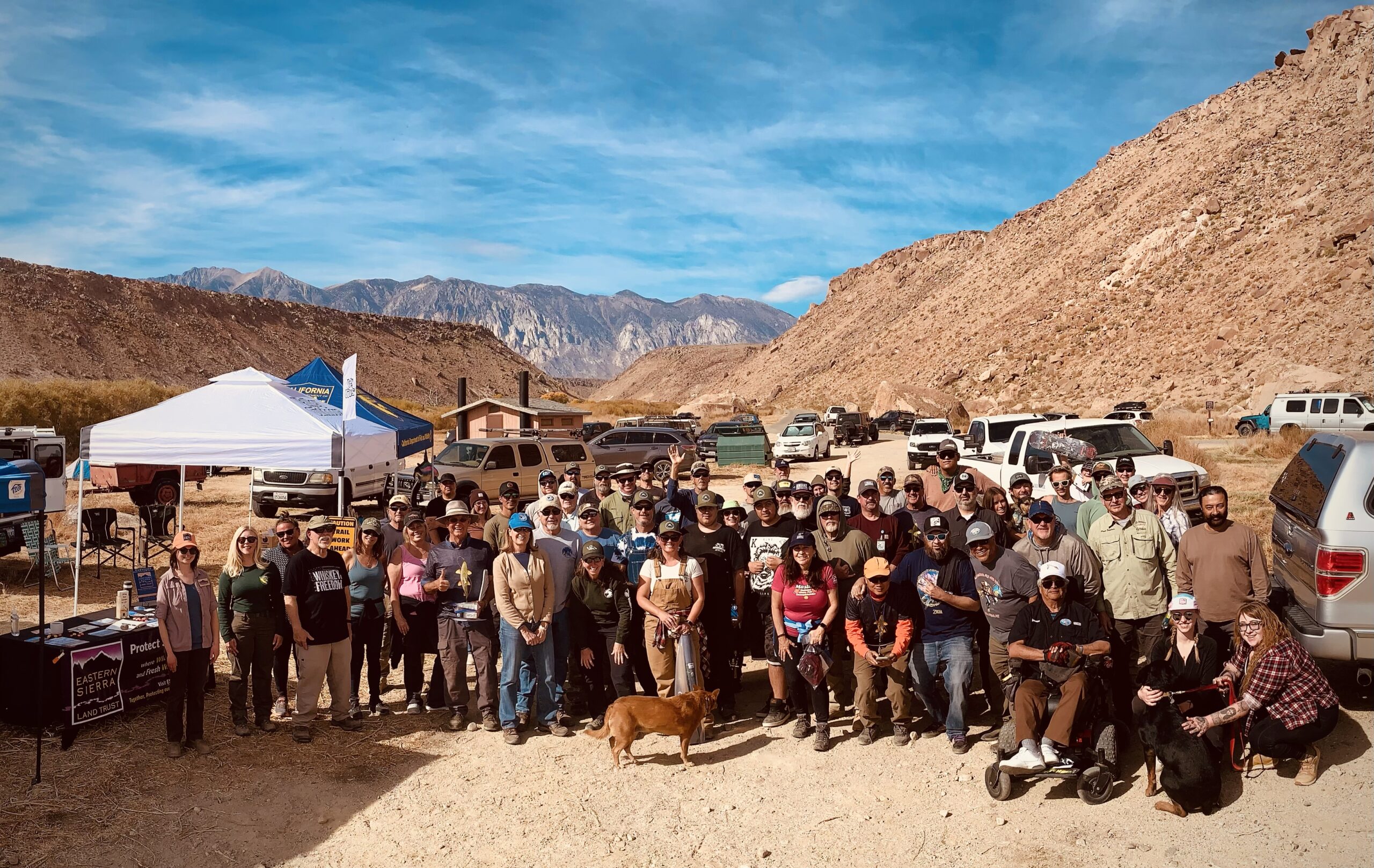
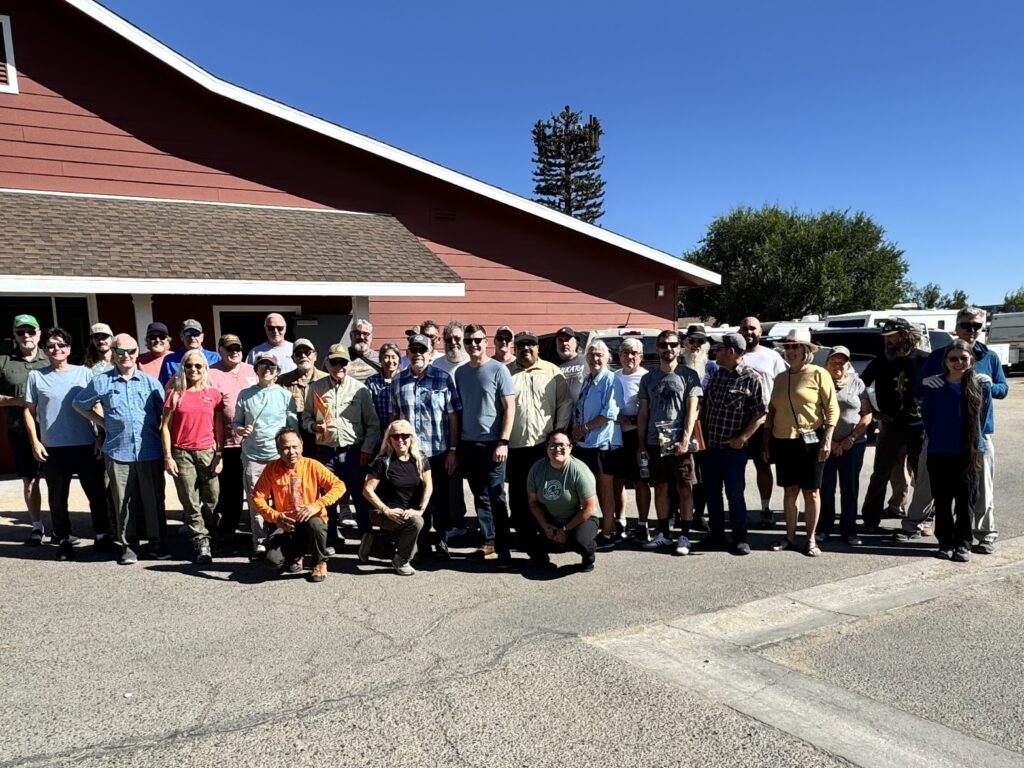
    Early morning at Pleasant Valley Campground—volunteers gathering at the day-use area, sharing a warm cup of coffee before heading out. Coffee and donuts provided. 🌿☕

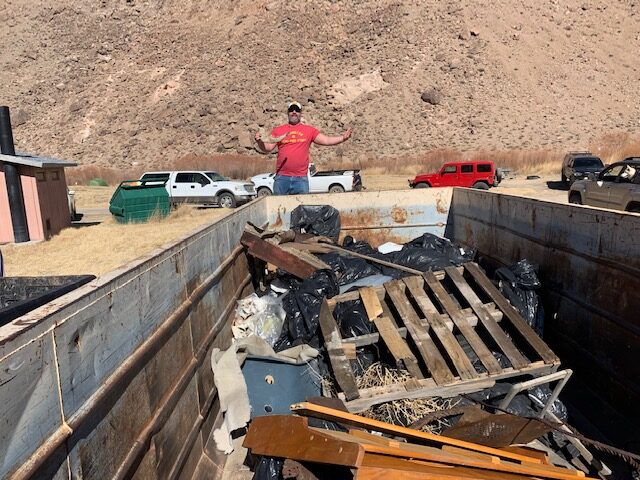
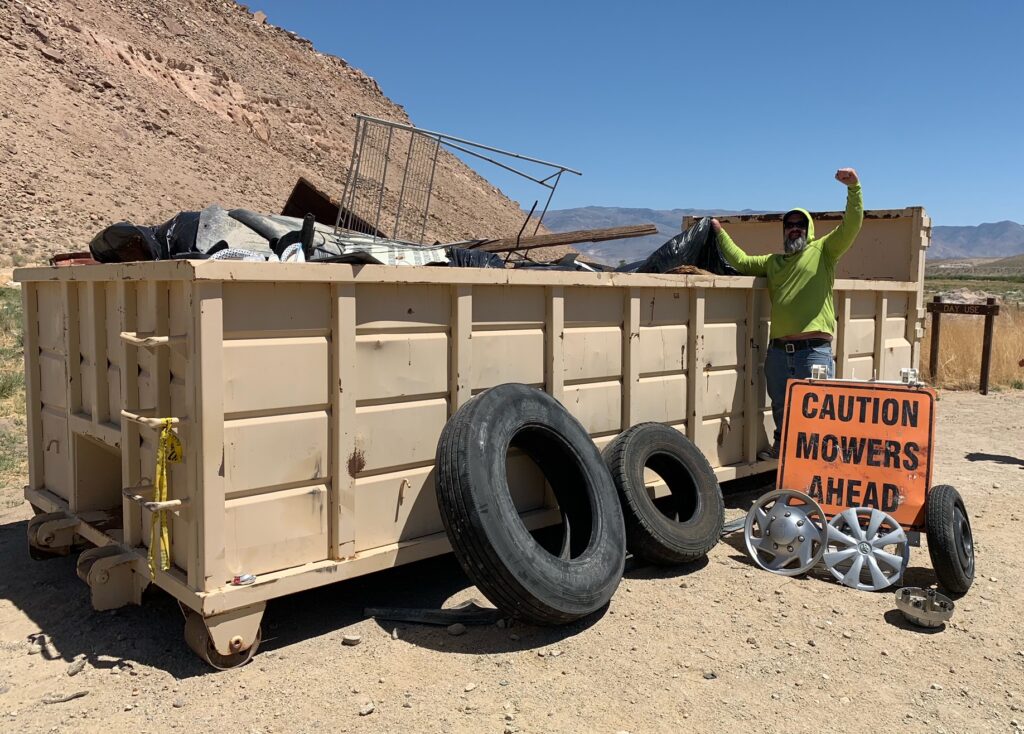
    At the end of the Owens River Clean Up, Chris Leonard stood by the dumpster—about three-quarters full of trash collected by the volunteers—and declared it a victory. It wasn’t just about how much was removed, but what it represented: a community coming together, giving their time and effort to care for the river. A big thank you to Chris and all the volunteers for keeping the river clean for all of us to enjoy fishing.
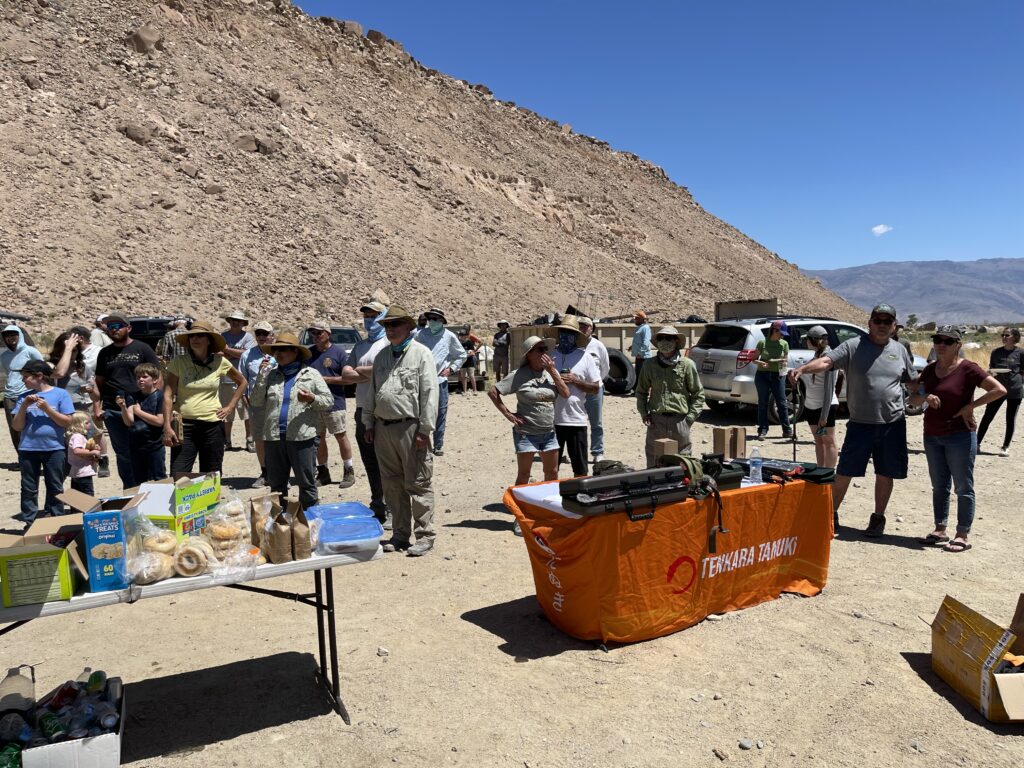
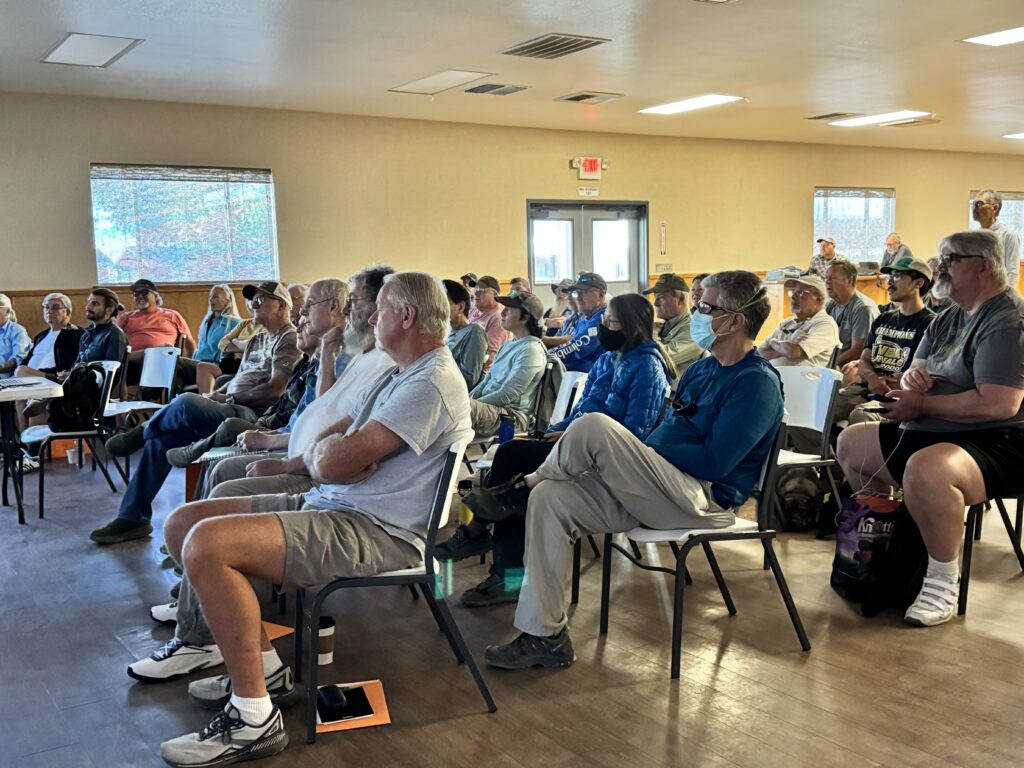
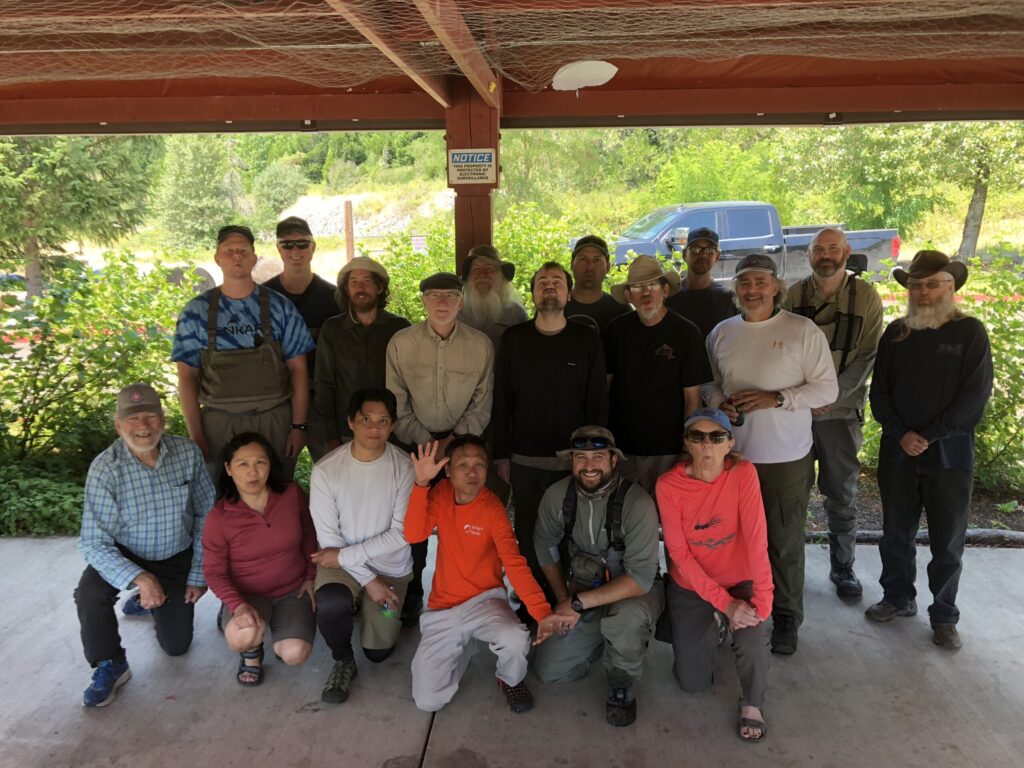
    Around 11:30 AM, volunteers gather for lunch and raffles—a well-earned break after the morning’s work.

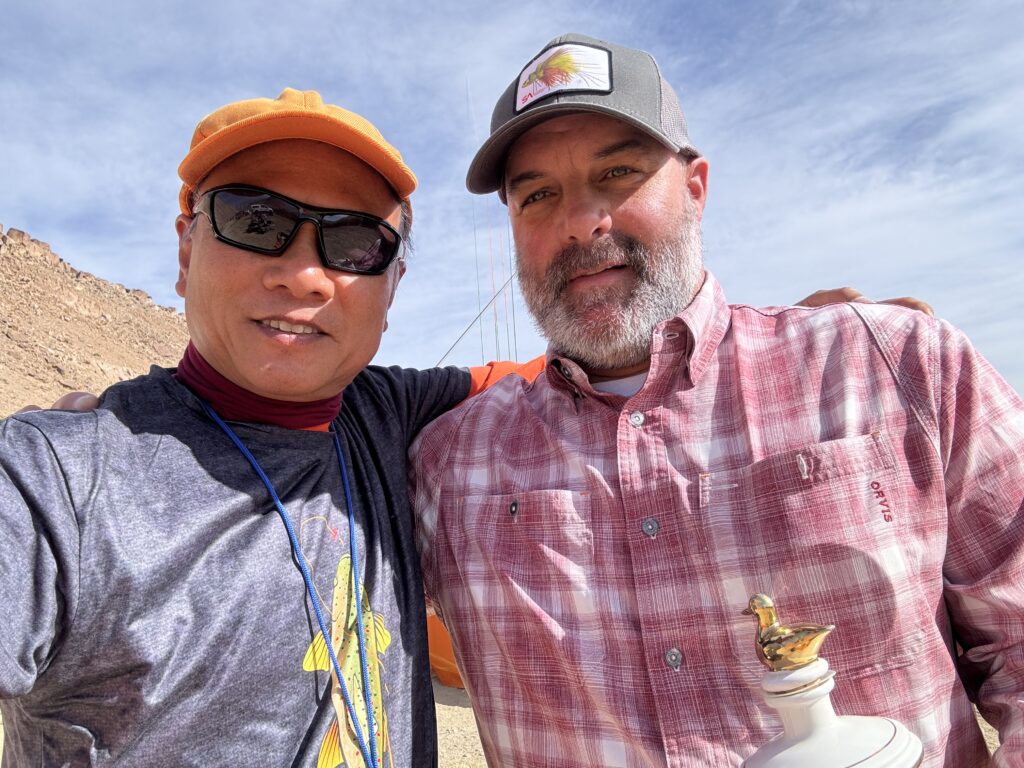
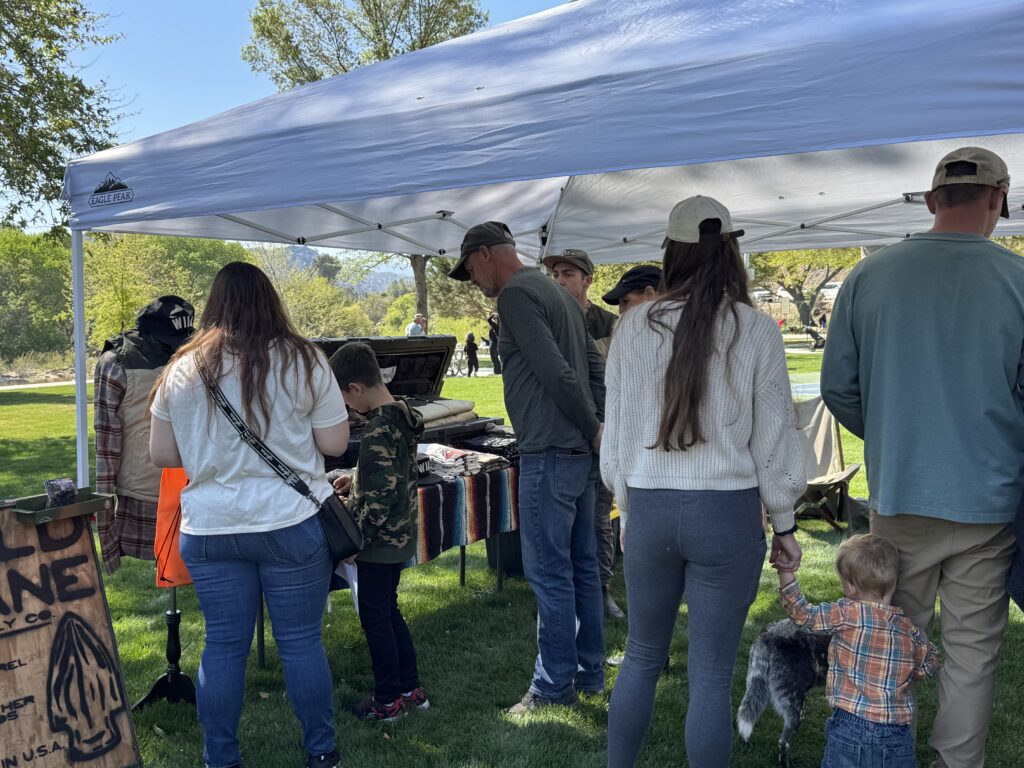
    There’s always something for everyone—no one goes home empty-handed. 

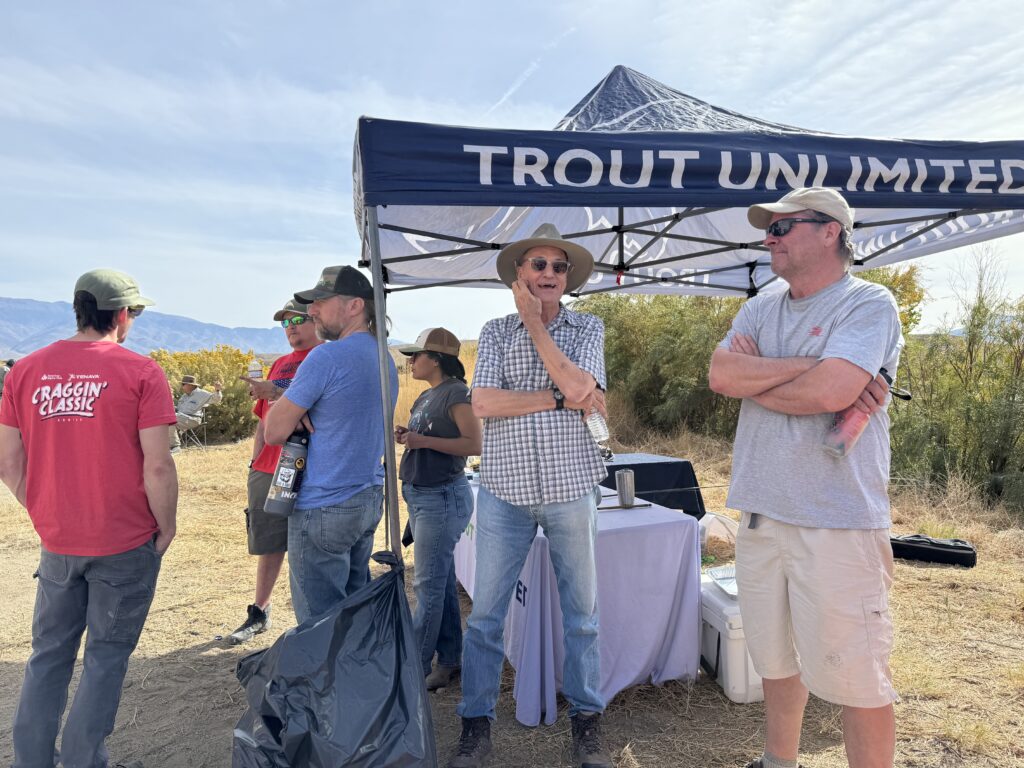
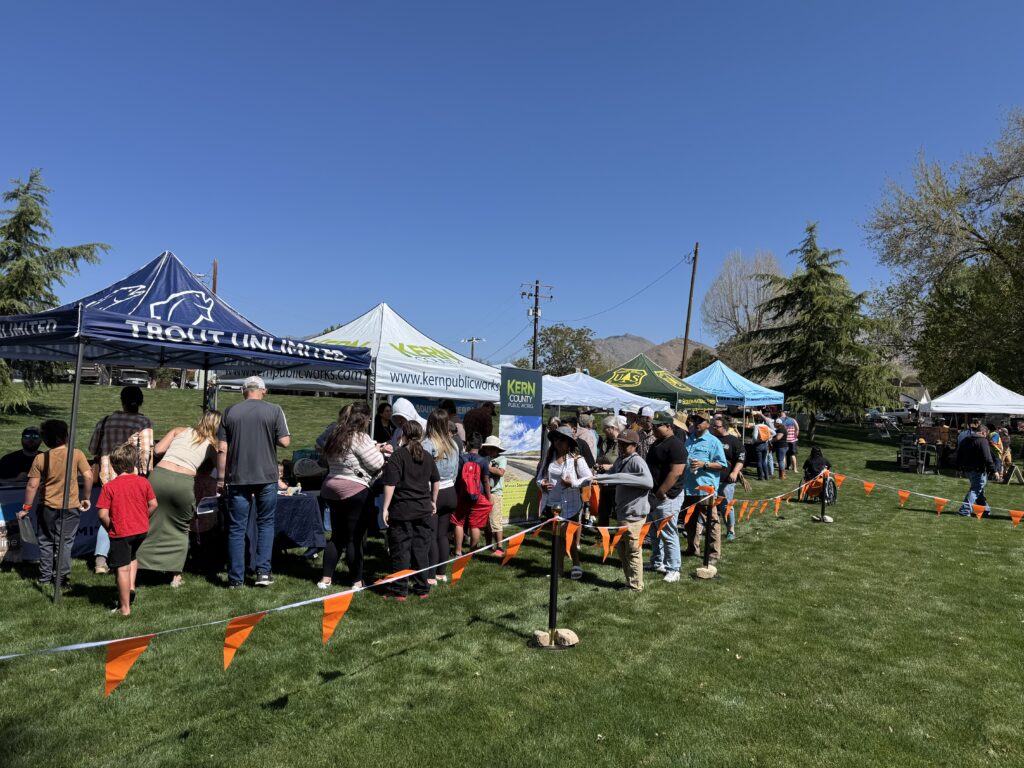
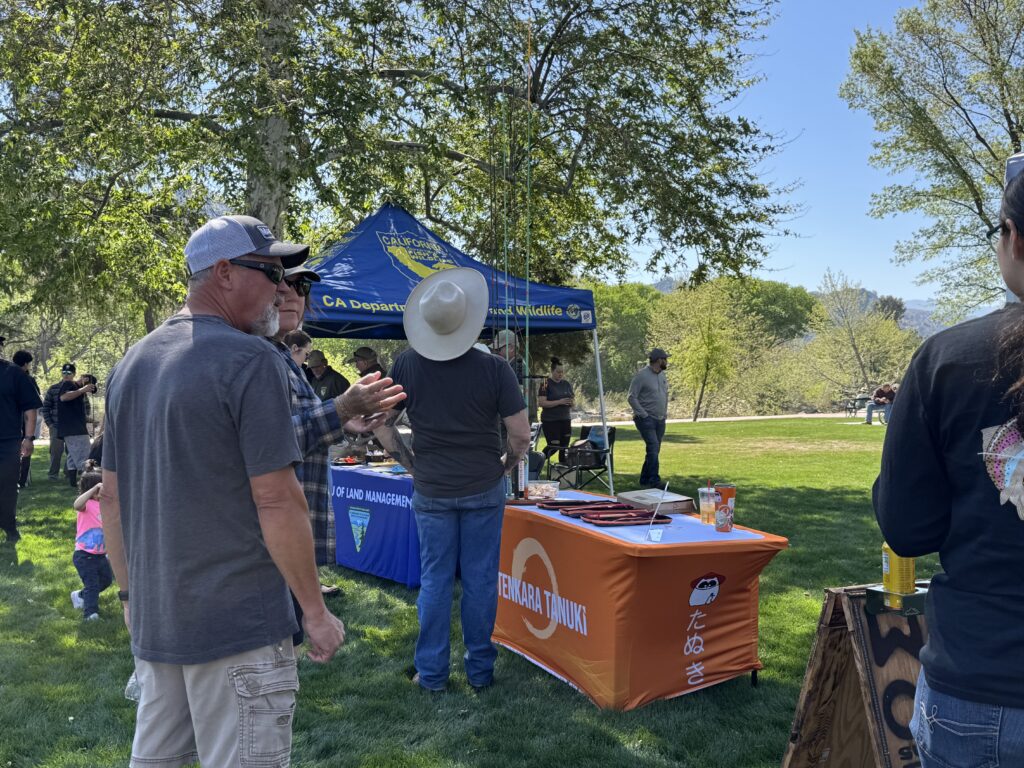
    The Trout Unlimited (TU) table, one of many sponsors present at the event, supporting the effort to keep the river clean and the community strong.

    Hooray! Chris Leonard by the dumpster, filled by the efforts of the volunteers. A great day of giving back to the river.
  • The Owens River Clean Up — 12 Years of Community, River, and Connection

    The Owens River Clean Up — 12 Years of Community, River, and Connection

    The 12th Annual Owens River Clean Up is scheduled for Saturday, October 3, 2026, starting at 8:00 AM at Pleasant Valley Campground..
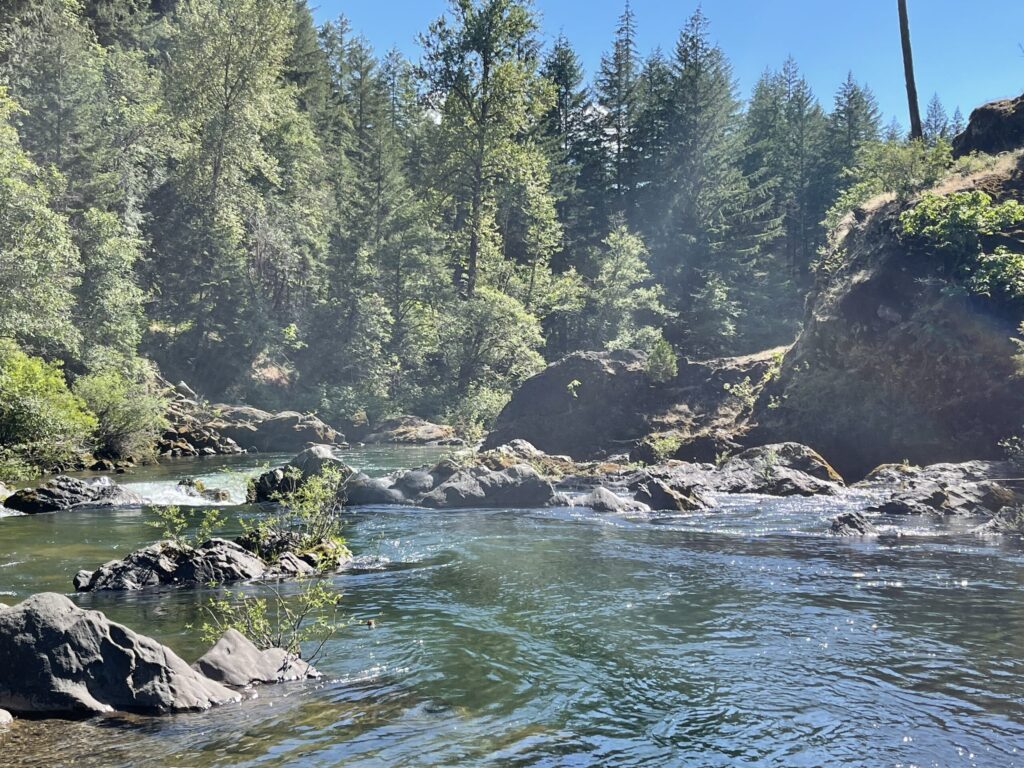
    First, I want to say a big thank you to Chris for keeping the river clean—for me, and for all of us who fish it. Bishop is where I fish often, and over the years it has come to feel like a home away from home.

    This year, the boot camp falls on the same weekend, so if you’re attending the clean-up, you can also join the boot camp as well.

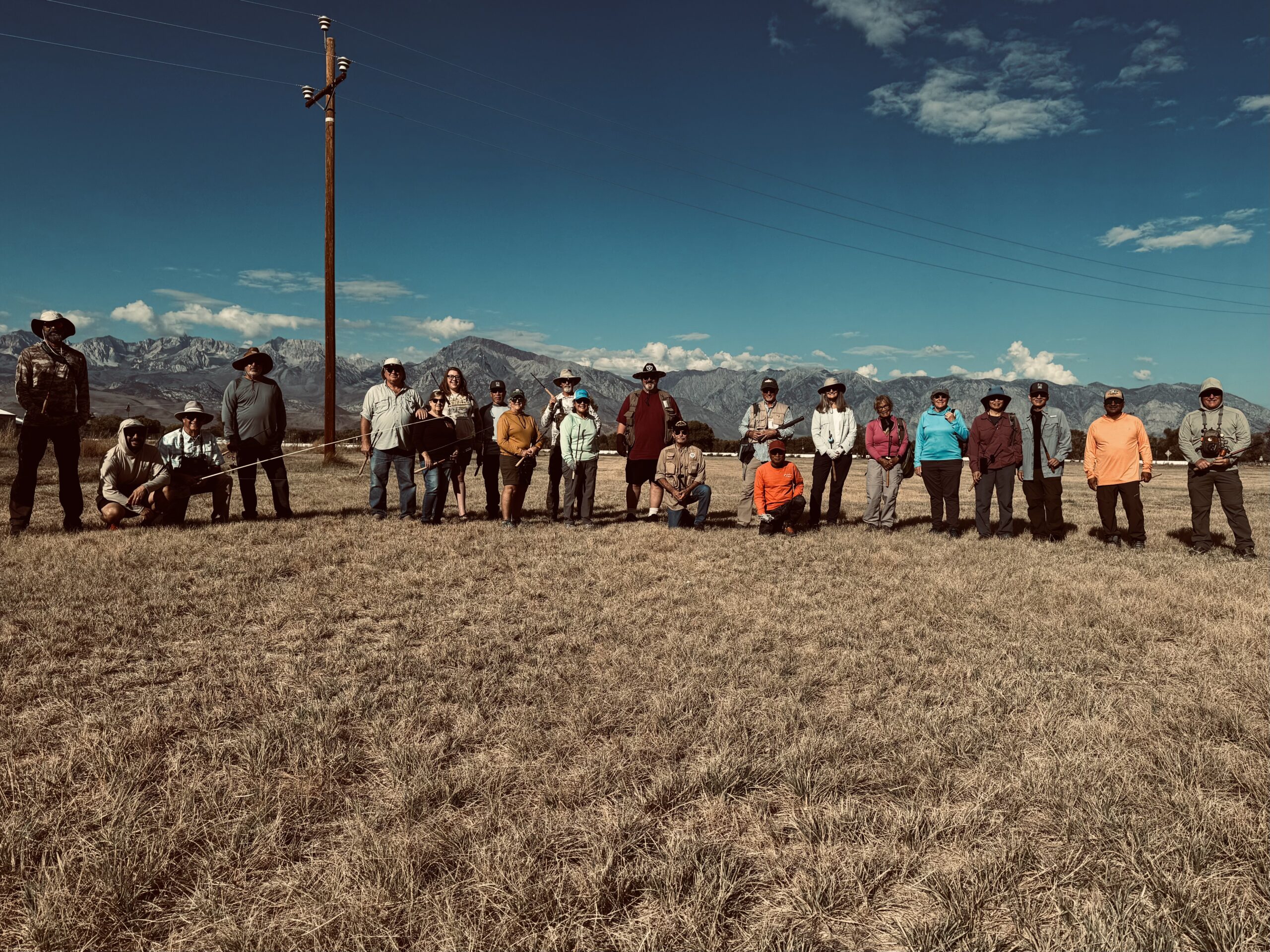
    Each year, this event brings together anglers and outdoor enthusiasts from across the state. Around 100 volunteers typically show up, all with the same intention—to give back to a river that has given us so much. What started as a simple clean-up has grown into a meaningful community gathering, with raffles, giveaways, and in recent years, activities that go beyond just picking up trash.

    Since then, I’ve attended the event every year. In the early days, I contributed by donating tenkara rods and accessories for raffles. But I began to notice something—many people who won the rods didn’t quite know how to use them. The gear was there, but the understanding was missing.

    Twelve years ago, I met Chris Leonard, a high school teacher from Mammoth Lakes, when he organized the very first Owens River Clean Up. Around that same time, I was beginning my journey with my first Tanuki rod. We met through the river and, over time, became good friends. What connected us was simple—fishing, respect for nature, and a shared outdoor lifestyle. I’ve also learned a lot from Chris over the years, especially how to guide and teach people on the water. He has been both a good friend and a great teacher to me.

    That realization shifted my approach.

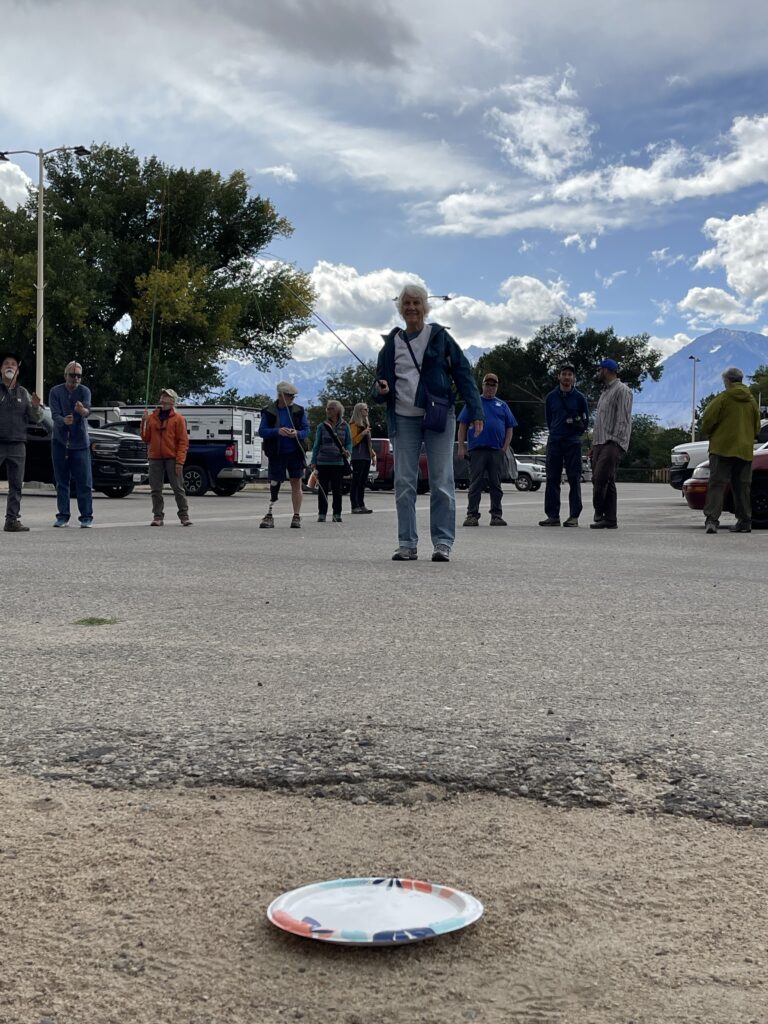
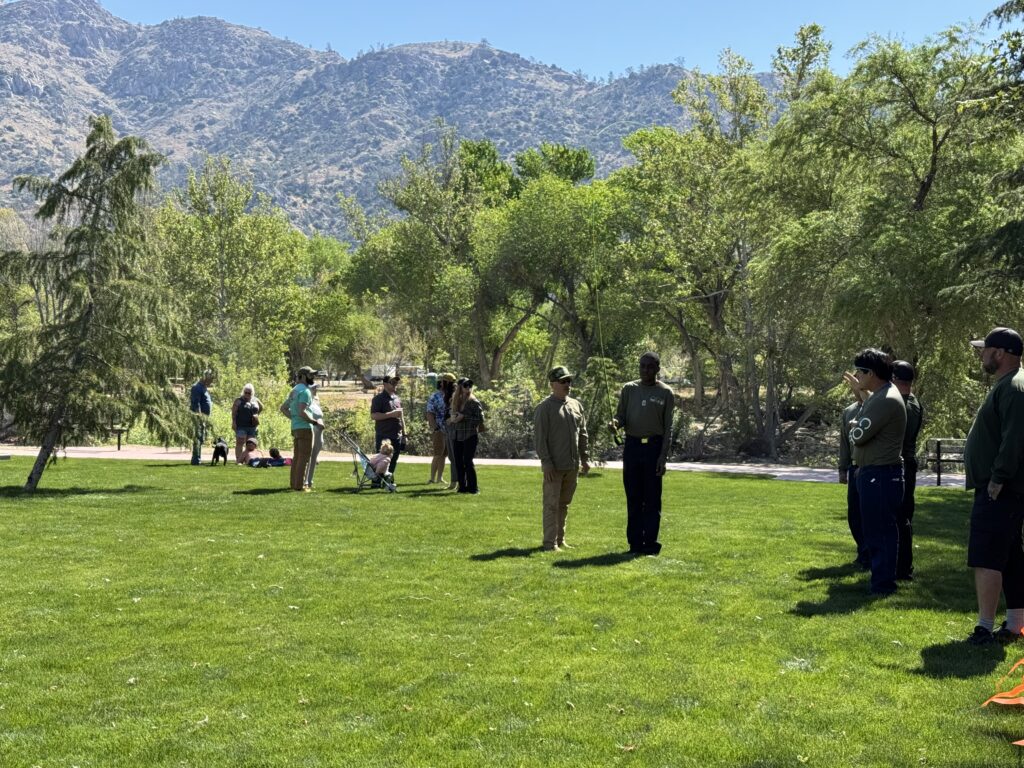
    Over the past few years, I’ve started hosting tenkara casting clinics during the event. What began as a small effort to help a few people has grown into something more. We added a tenkara casting tournament, creating a small “event within the event.” It’s informal and fun, but more importantly, it gives people a chance to engage more deeply—not just with the gear, but with the method itself.

    For me, this event has always been more than a clean-up. It’s about connection—between people, between anglers, and between us and the river. It’s also a reminder that giving back doesn’t have to be complicated. Sometimes, it’s as simple as showing up.

    I look forward to it every year

  • Eastern Sierra Tenkara Boot Camp 2026

    Eastern Sierra Tenkara Boot Camp 2026

    🎣 Join Us for the 5th Annual Eastern Sierra Tenkara Boot Camp!

    📍 Tri-County Fairgrounds, Bishop, CA

    🗓 October 3-4, 2026

    Ticket is available at www.tenkaratanuki.com/events/

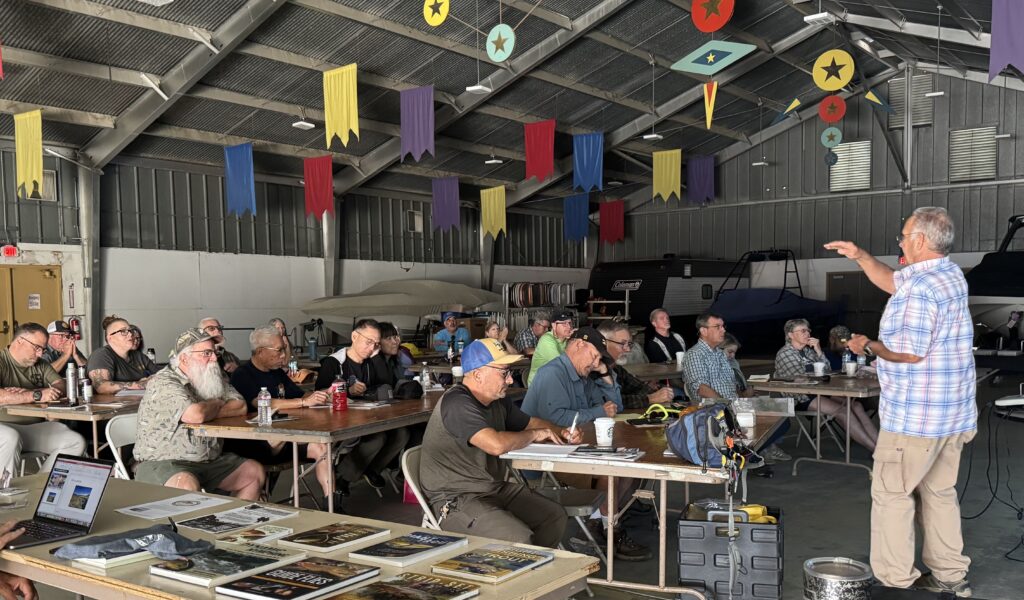
    This immersive two-day event brings together renowned Tenkara instructors from across the country. They will offer intensive seminars, hands-on workshops, and expert-led sessions. All activities are designed to elevate your skills and deepen your connection to the craft.

    Saturday, 8:30 AM – 5:00 PM

    A full day of presentations and workshops with:

    Frank Burr, Amanda Hoffner, Martin Montejano, Chris Leonard, Thomas Paulson, Fred Rowe, and Luong Tam

    Covering Tenkara techniques, rod design, local waters, and more.

    Sunday, 9:00 AM – 12:00 PM

    On-the-water session focused on casting, fly presentation, and practical fishing techniques using a Tenkara rod.

    Connect with a vibrant community of anglers. These range from curious beginners to seasoned pros. They travel from across the country to share knowledge, stories, and a passion for Tenkara.

    👉 Don’t miss this unforgettable weekend of learning, fishing, and community in the beautiful Eastern Sierra!

    Enjoy included lunches, learn from top-tier presenters, and forge friendships with fellow enthusiasts in the heart of the Eastern Sierra. Whether you’re mastering precision casting or discovering tenkara’s minimalist charm, this event is your gateway to growth, camaraderie, and adventure.

    Spaces fill fast—secure your spot today!

  • Trout Fest on Kern River, Kernville CA

    Trout Fest on Kern River, Kernville CA

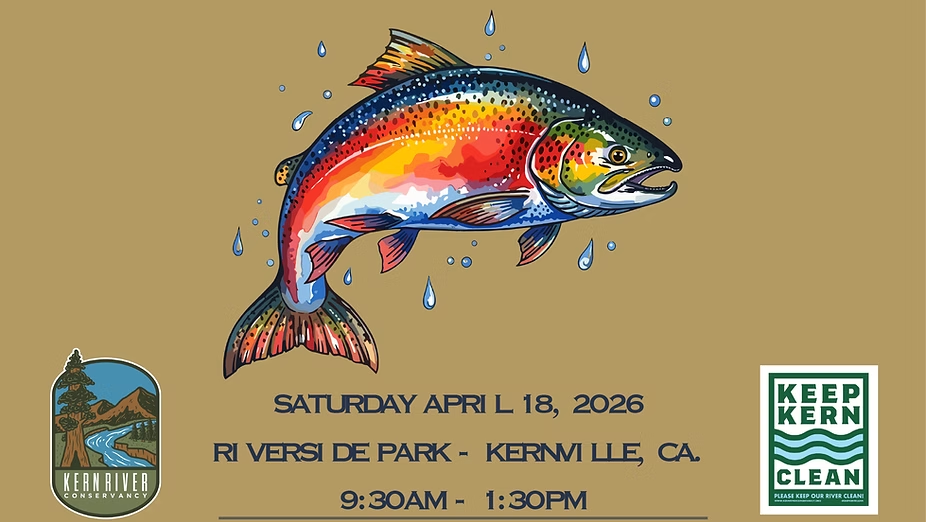
    Trout Fest on the Kern River is a community outreach celebration hosted by the Kern River Conservancy—featuring fly fishing and tenkara clinics, music, food, gear giveaways, and more.
    Location: Riverside Park
    10 Kern River Dr, Kernville, CA 93238

    Casting lessons

    Vendors

  • Tenkara Bug out and Tanuki Boot Camp

    Tenkara Bug out and Tanuki Boot Camp

    I’m excited to share that Tenkara Bug Out is back this year.

    As the first tenkara campout in the western United States, the Bug Out holds a special place in our community. Founded in 2017 by Jim Vandagrift, it was created as a gathering where anglers could come together, learn from one another, and celebrate the simple joy of fishing with tenkara.

    After COVID and the fires in Oregon, the event was put on hold for a time. That is why its return feels especially meaningful. The Bug Out is not only coming back—it returns to a tenkara community that has continued to grow stronger, closer, and more connected over the years.

    I’m also very happy that Amanda Hoffner, Tanuki Ambassador, known on social media as Lady TenkaraBum, is now working alongside Jim to help organize the event. After moving from South Carolina to Oregon, Amanda became part of the team helping bring the Bug Out back, and I’m grateful to join them as well in helping host the boot camp.

    “This year we’re heading to La Pine, OR, putting us within reach of some world-class water: the Fall River, the Deschutes River, the Crooked River, and the Metolius River. If you like big fish energy, several of these rivers hold 20in + fish, with some tipping the scales into double digits. And if fishing smaller, more intimate settings is your vibe, we’ve got you covered there too.” Jim Vandagrift.
    For ongoing updates and community discussion, follow Tenkara Bug Out on Facebook.

    Schedule Overview

    (A detailed schedule will be provided as we get closer to the event.)

    Friday 6/26/26 — Hit the rivers on your own. That evening, gather around the community campfire to connect, swap stories, and share ideas. Maps with river locations and access points will be provided ahead of the event.

    Saturday 6/27/26 — Tanuki Tenkara Boot Camp takes over with presentations and hands-on learning throughout the day. We’ll close out the night around the campfire together.

    Sunday 6/28/26 — Learning Stations and then back on the rivers, fishing on your own. Maps and access points provided ahead of the event.

    Event Costs

    Entry: $75 per person for the event +boot camp

    If you would like to join us at our group campsite the package total for camping and the event will be $110 for the weekend (up to 3 nights — Thursday, Friday & Saturday). These open and large campsites will be shared between all those who attend.

    Registration Here –>https://tinyurl.com/msnw848z

    Expect incredible door prizes from our sponsors and a raffle supporting local conservation efforts..

    I’m truly looking forward to being part of it and seeing the Bug Out return.
    a weekend of fishing, learning, and community built around the art of traditional Japanese tenkara.

    This year we’re heading to La Pine, OR, putting us within reach of some world-class water: the Fall River, the Deschutes River, the Crooked River, and the Metolius River.

    If you like big fish energy, several of these rivers hold 20″+ fish, with some tipping the scales into double digits. And if fishing smaller, more intimate settings is your vibe, we’ve got you covered there too.

    Expect incredible door prizes from our sponsors and a raffle supporting local conservation efforts.

    Schedule Overview

    (A detailed schedule will be provided as we get closer to the event.)

    Friday 6/26/26 — Hit the rivers on your own. That evening, gather around the community campfire to connect, swap stories, and share ideas. Maps with river locations and access points will be provided ahead of the event.

    Saturday 6/27/26 — Tanuki Tenkara Boot Camp takes over with presentations and hands-on learning throughout the day. We’ll close out the night around the campfire together.

    Sunday 6/28/26 — Learning Stations and then back on the rivers, fishing on your own. Maps and access points provided ahead of the event.

    Event Costs

    Entry: $75 per person for the event

    If you would like to join us at our group campsite the package total for camping and the event will be $110 for the weekend (up to 3 nights — Thursday, Friday & Saturday). These open and large campsites will be shared between all those who attend.

    Registration Here >>> https://tinyurl.com/msnw848z

    More details on camping coming soon.

    If you want to attend but the entry and camping fees are a roadblock for you, we will have a few scholarships available.

    Registration will be open by end of March.

    Look forward to seeing you all there.

    Jim Vandagrift:
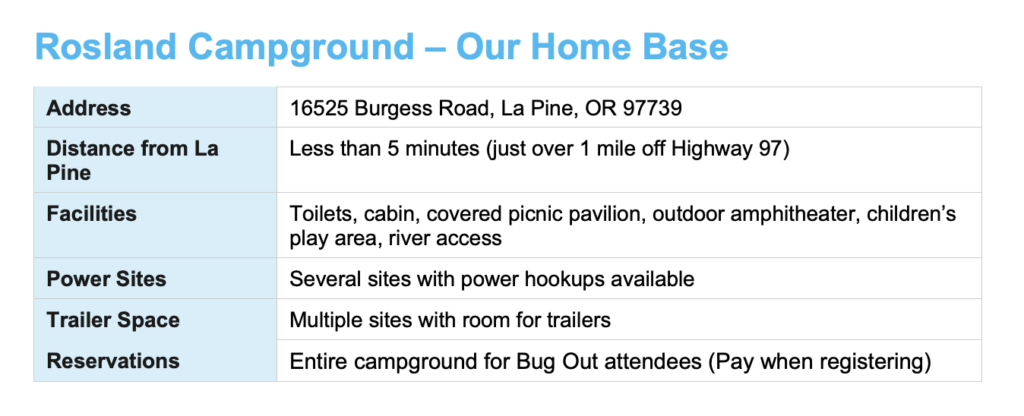
    Camping

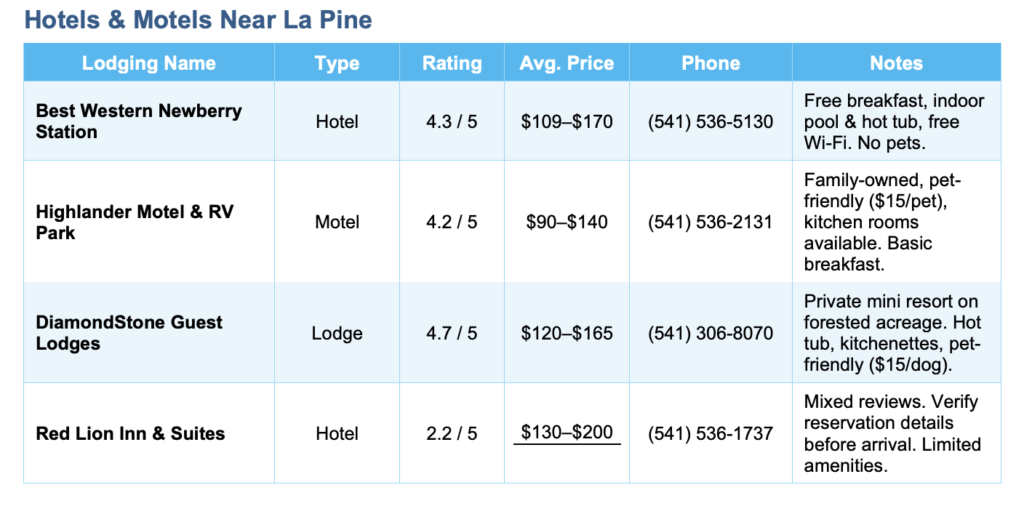
    Lodging

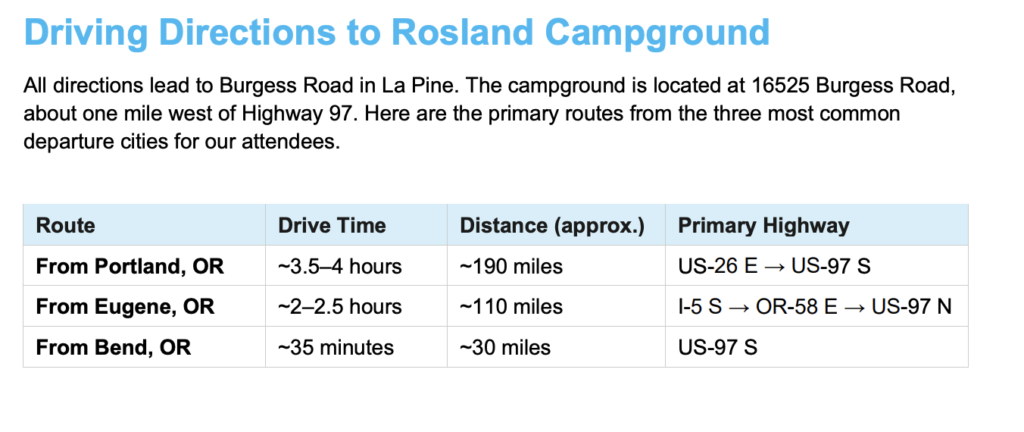
    Direction:

  • Tenkara 101: Introduction to Simple and Effective Fly FishingTenkara 101

    Tenkara 101: Introduction to Simple and Effective Fly FishingTenkara 101

    this is a tenkara 101

    What drew me to tenkara was not only its simplicity, but the deeper logic behind it.

    This Tenkara 101 is built from the same core framework I teach at Tenkara Boot Camp. It is distilled into the essentials. This way, you can learn fast and fish with confidence.

    As someone with an engineering mind, I have always been drawn to systems that are efficient by nature. In these systems, every part has a purpose. Nothing unnecessary gets in the way. I spent more time with tenkara. I began to see that it is not simply a minimalist version of fly fishing. It is a method shaped by natural physics and refined through generations of practical use.

    A long rod, a fixed line, and a fly seem almost too simple at first. But that simplicity is precisely where its strength lies. Tenkara removes distraction. It allows the angler to focus on what truly matters. This includes keeping a direct connection to the fly, achieving a natural drift, and responding to the water with clarity. In many ways, it is a beautifully efficient system—one that works with nature rather than against it.

    At the same time, tenkara also speaks to something beyond purpose. Over the years, I have come to see its spirit through the lens of wabi-sabi. This is the old Japanese way of finding beauty in simplicity, humility, imperfection, and harmony with nature. That philosophy is part of what makes tenkara so appealing to me. It reminds us that fishing does not need to be complicated to be meaningful. Sometimes, the simplest method can also be the most elegant.

    What I especially appreciate is how quickly tenkara opens the door for people. Many beginners can learn the basic cast in just a few minutes and start fishing almost right away. And despite its simplicity, tenkara is remarkably effective. Time and again, it proves that catching fish is not about having more gear. It’s about presentation. It’s about control. It’s about understanding the water.

    That is what Tenkara 101 is about.

    It is not only an introduction to a fishing method. It is an invitation to see fishing in a simpler, more thoughtful way. This approach emphasizes efficiency, feeling, and a closer connection to the water.

    Here’s a slightly shorter version too, in case you want it tighter for the intro page:

    Tenkara drew me in because it made sense on two levels: practical and philosophical.

    With an engineering mindset, I naturally appreciate efficiency—systems shaped by purpose, where nothing unnecessary remains. Tenkara reflects that beautifully. Its long rod, fixed line, and fly form a simple system. It is highly effective due to natural physics. There is a direct connection and clean presentation.

    Over time, I came to see tenkara through the spirit of wabi-sabi. This embodies the Japanese appreciation for simplicity, humility, and harmony with nature. That is part of what makes this method so special. It strips away complication and brings fishing back to its essence.

    It is easy to learn, often in just a few minutes, yet deeply effective in catching fish. More importantly, it helps anglers focus on what matters most: the water, the drift, and the experience itself.

    That is the spirit behind Tenkara 101—a simple introduction to a method that is both efficient and deeply meaningful.

    This series follows the same simple structure I teach in Boot Camp—built to get you fishing fast, then improve your control and confidence step by step:

    1. Quick Start

    2. Rod

    3. Lines

    4. Fly

    5.Casting

    6. Core Techniques

    8. Landing Fish

    9. Tips and Tricks

    10. Rod Care and Maintenance

  • Euro Nymphing Rod Development

    Euro Nymphing Rod Development

    By late 2024, I finally began the first real experiments in euro nymphing rod development. It quickly became clear that a euro nymphing rod is not defined well by standard fly rod line weights. Nor is it defined by the romantic idea of long-line casting. Euro nymphing originated from European competition fly fishing. The focus is not on carrying a heavy fly line through the air. Instead, it is about maintaining contact and controlling the drift. It involves managing an extremely thin line and detecting subtle strikes. Additionally, it’s about fishing effectively in specific types of water. That realization became the true starting point for the Tanuki euro nymphing project. I was not interested in simply putting a euro nymphing label on a conventional fly rod. I wanted to build a rod around the actual logic of the method, from a tenkara rod maker’s perspective.

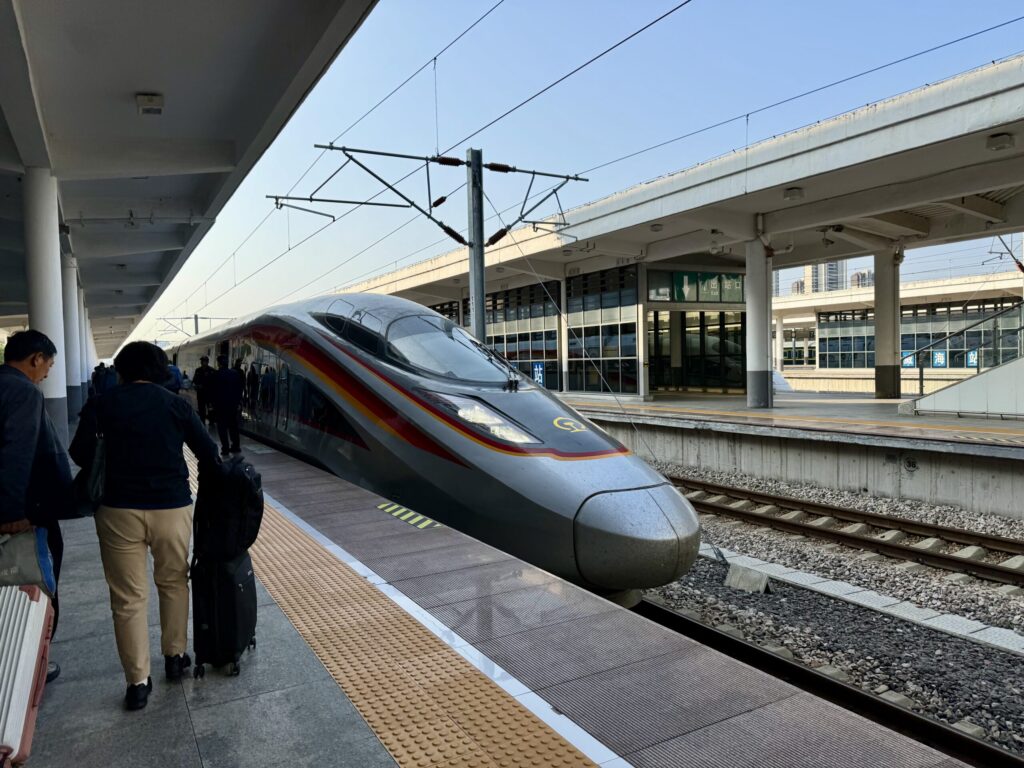
    I received encouraging feedback from testers in Europe and the United States. Established rod companies also provided positive feedback. This gave me enough confidence to spend a week at the rod factory in Weihai refining the prototypes. After the Beijing Fishing Tackle Show, I took the 4.5-hour high-speed train instead of flying. I preferred the train because it was more relaxed, more spacious, and quieter than flying. It felt like the right transition between the noise of the trade show and the quiet concentration of development work. The ride gave me uninterrupted time. I think through the prototype goals. I also considered the direction the rods needed to go before arriving at the factory.

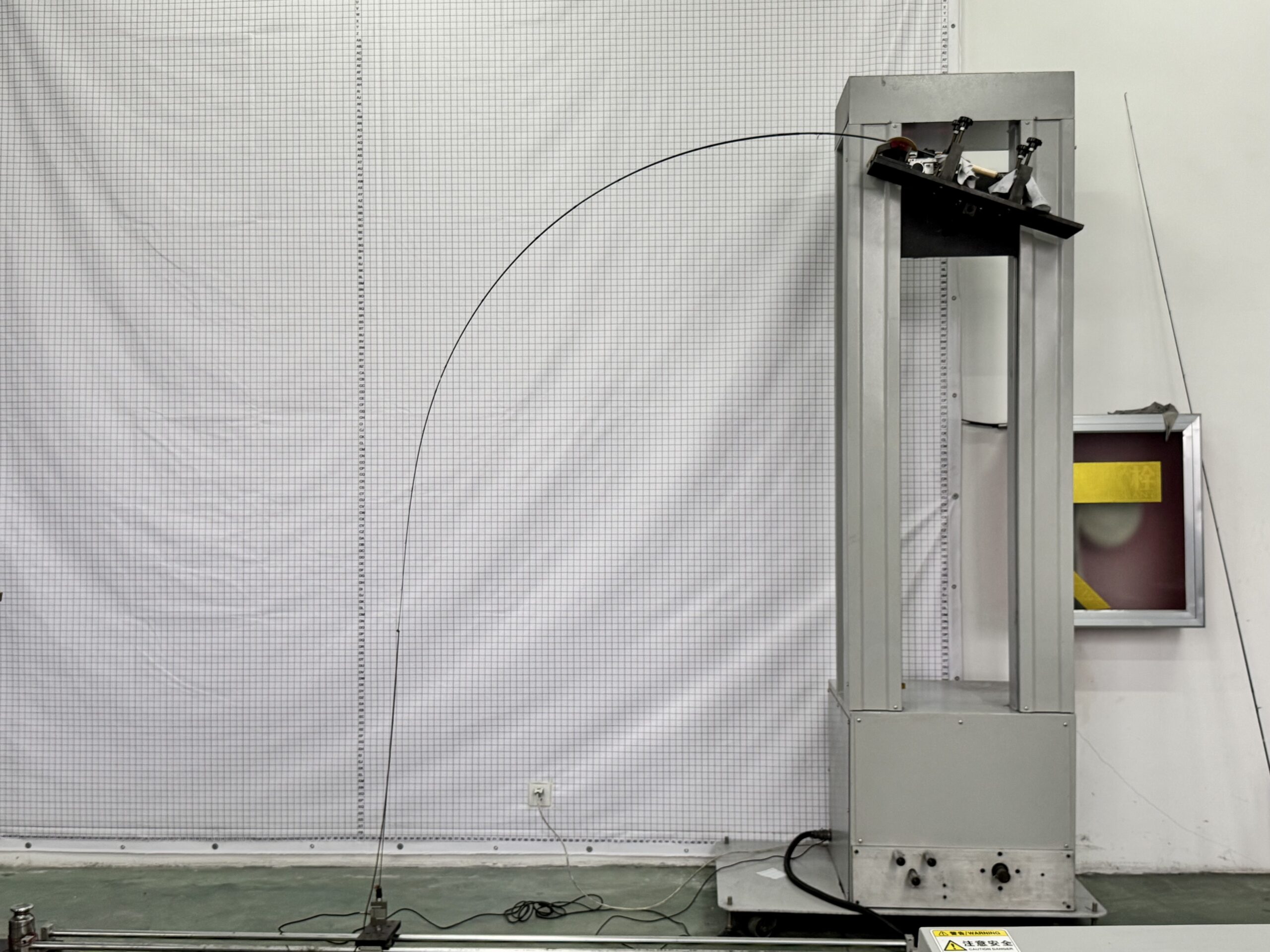
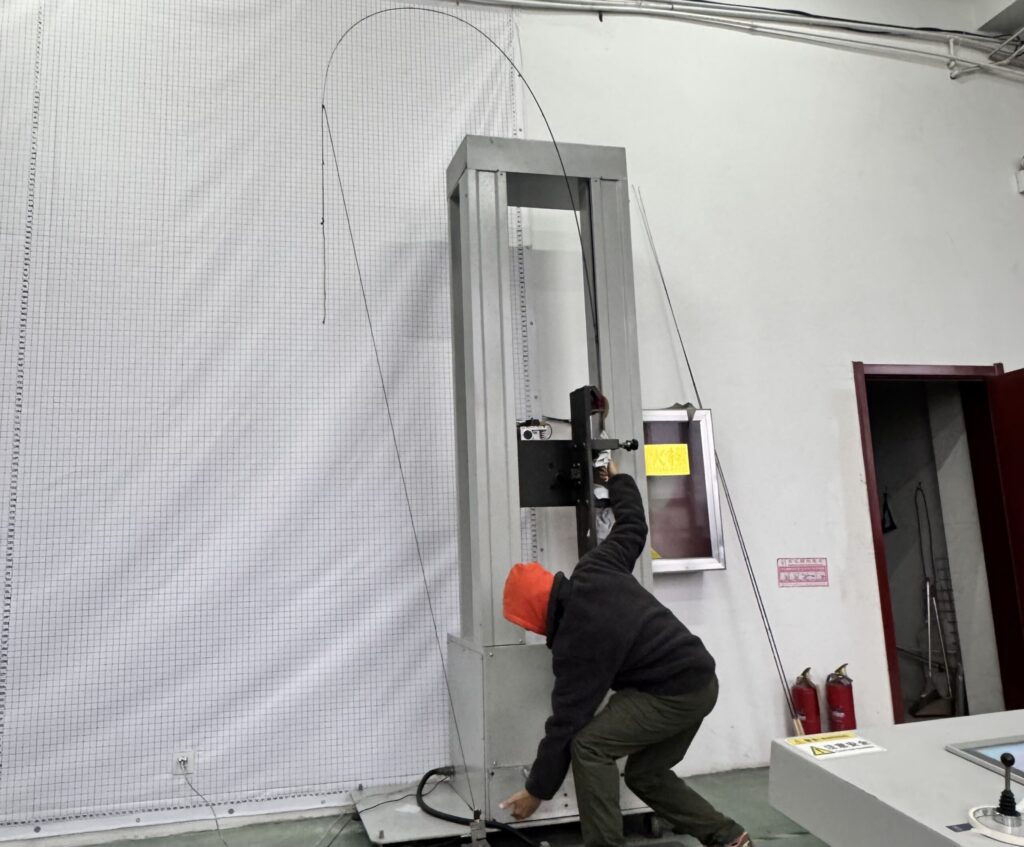
    Over the years, I had worked with the same factory to build a rod testing lab. Years ago, it began with hand testing, photos, and video. This gradually evolved into a more controlled and precise system for understanding rod behavior. I used a computer-controlled lifting system. With adjustable angles, I measured a rod’s response under load. I did this in 5-degree increments. I studied bending curves. I compared resistance at different points along the blank. That gave me a way to look beyond first impressions and subjective feel, and to compare prototypes with greater consistency.

    The three angles that mattered most to me were horizontal lifting. Another critical angle was about 60 to 90 degrees for fighting fish. The last important angle ranged from 90 to 110 degrees for landing fish. Those positions show what really happens on the water. Testing in the lab helped me collect data on rod materials, tapers, and construction techniques. It also gave me a better way to predict how a prototype functions before going back to the water. I believe this data will become increasingly valuable. Rod design will become more informed by digital analysis and AI in the future. In the early days, every rod needed to be lifted by hand. Each one had to be tested individually, extending the time the process took. Looking back, that slower method taught me a lot. Yet, the lab now allows me to study rods with a level of consistency. The detail achievable was not possible before.

    A rod can feel good in the hand, but the real test is always on the water. It must protect light tippet and control fish in current. It should keep sensitivity and lift with confidence at the angles anglers actually use. For euro nymphing, that matters because the rod has to do more than cast efficiently. It must support a contact-driven system, manage pressure precisely, and carry out well under practical fishing conditions. The lab did not replace on-the-water testing. Still, it provided a clearer engineering reference. This helped in understanding what each prototype was actually doing.

    When I arrived at the factory, three different prototypes were already waiting for me to test. After each round, we turned around a revised prototype in about 24 hours. We worked every day from 8 a.m. until about 10 p.m. On the final evening, we stopped at midnight just to make sure the hot pot restaurant was still open.

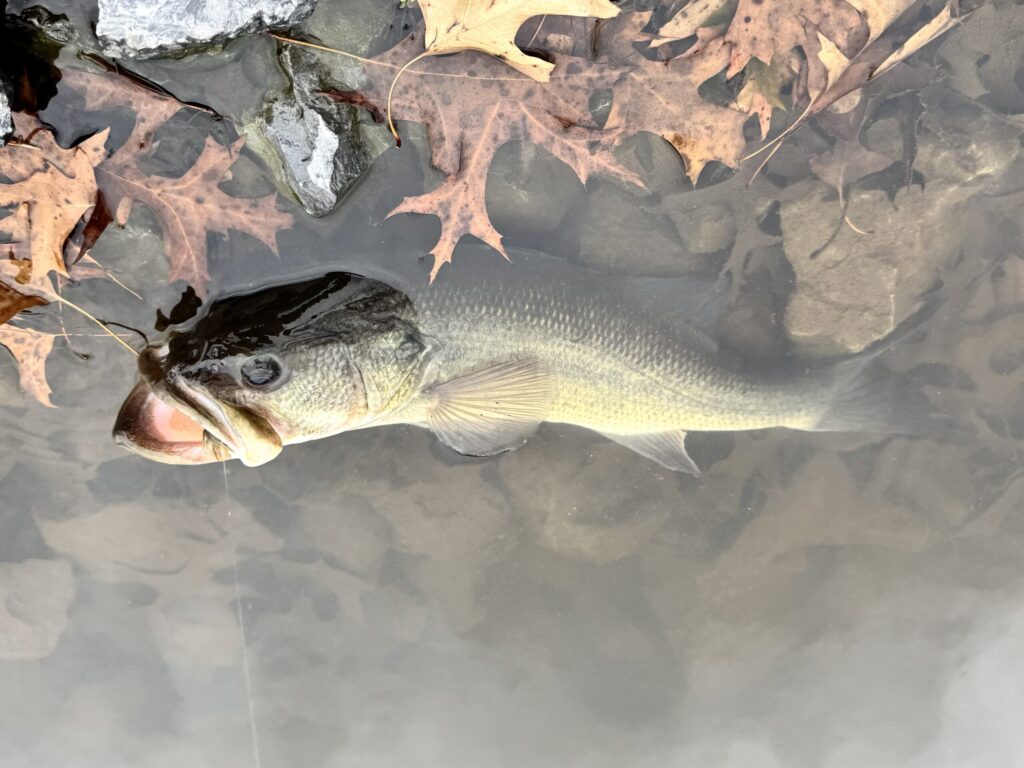
    By the end of the week, I was tired, but I flew back to the U.S. with a prototype in hand and took it straight to the lake in Denver, Pennsylvania. The weather was cold and unsettled, with rain, hail, and snow through most of the morning. By the time the sky finally cleared, the wind was still blowing. The air still had that sharp late-winter bite. I would not wait any longer. After a few casts, the first fish was a largemouth bass, followed by ten good-sized rainbow trout. Later, I posted the photos in a Euro Nymphing group on Facebook. Most of the comments said the rod was meant for streams, not still water. My answer was simple: if the water does not move, I move the rod. The prototype handled it just fine.

  • My First Trip to the Beijing Fishing Tackle Export Show

    My First Trip to the Beijing Fishing Tackle Export Show

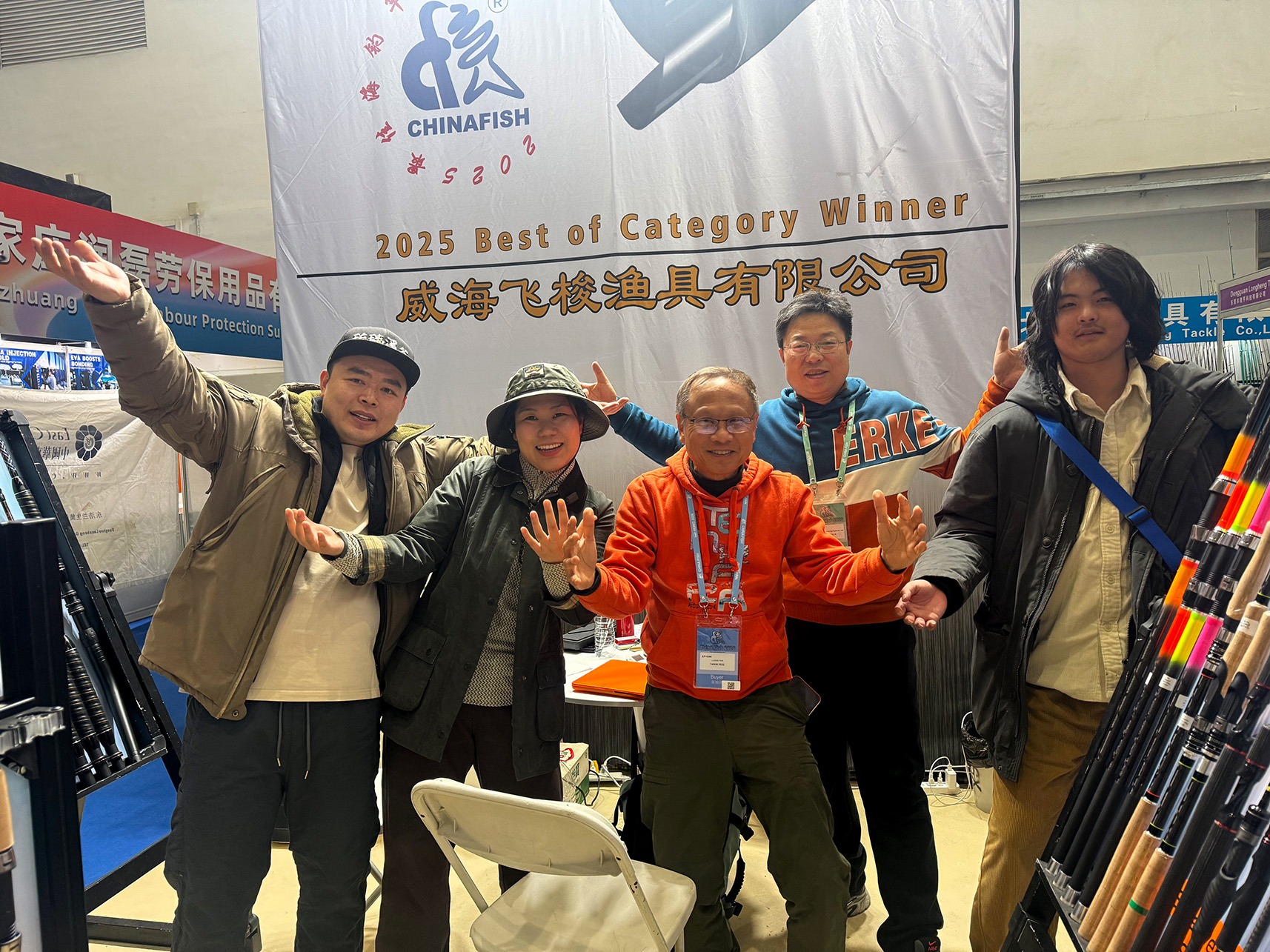
    This year, I made my first trip to the Beijing Fishing Tackle Export Show in Beijing, China. I went for a practical reason. I wanted to meet many of my suppliers in one place. I aimed to continue developing the euro-nymphing project without having to fly from factory to factory. Making that trip meant giving up something familiar. The show was on the same weekend as the Pleasanton Fly Fishing Show. I normally have a Tenkara Tanuki booth there. For the first time in years, I had to miss Pleasanton.

    I landed in Beijing and took the Airport Express into the city. The moment I stepped outside, the cold hit me hard. Beijing felt like the North Pole. It was 32°F, about 0°C. Then I arrived at the hotel, and the contrast was almost shocking. Inside felt like an oven, around 80°F, or 27°C. My room was so warm I had to turn off the thermostat. In one day, I felt like I had traveled between two seasons.

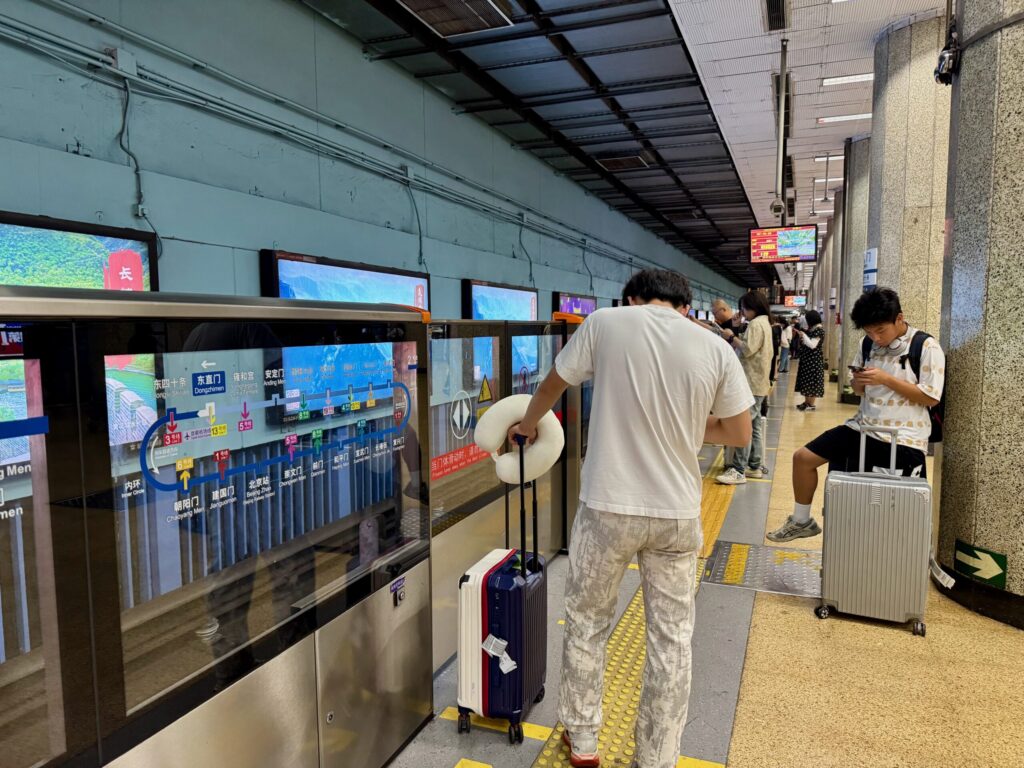
    I checked in and then went back out. I took the subway to the convention center. I wanted to make sure I knew the route for the next morning. I have been to Beijing enough times that the subway system feels familiar to me now. That is why I chose a hotel in central Beijing. It is right next to a station. The hotel is about 50 minutes from the show. I had arrived a day early, thinking I will have time to explore the city after the event.

    But the trip had other plans for me.

    Each evening after the show, I found myself at dinner with vendors and guests from around the world. They were German, French, Egyptian, Italian, and Russian. We sat around large banquet tables, sharing dishes, stories, and conversations that moved easily from one language to another. I was the only person at the table who could not speak Chinese. That made me feel a little embarrassed. Still, there was something memorable about sitting there in Beijing. I was surrounded by people from so many countries. Everyone was connected in some way by fishing.

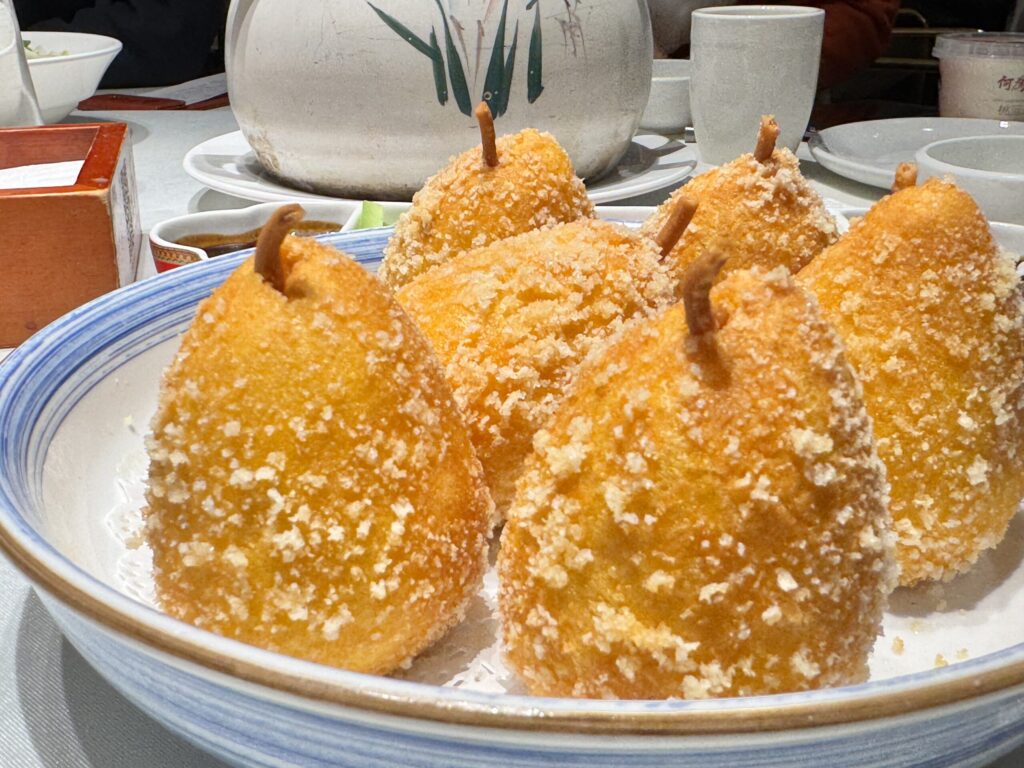
    One night we ate Peking duck, one of Beijing’s most famous dishes. I noticed something unique and charming. At these large banquets, dessert often came first.

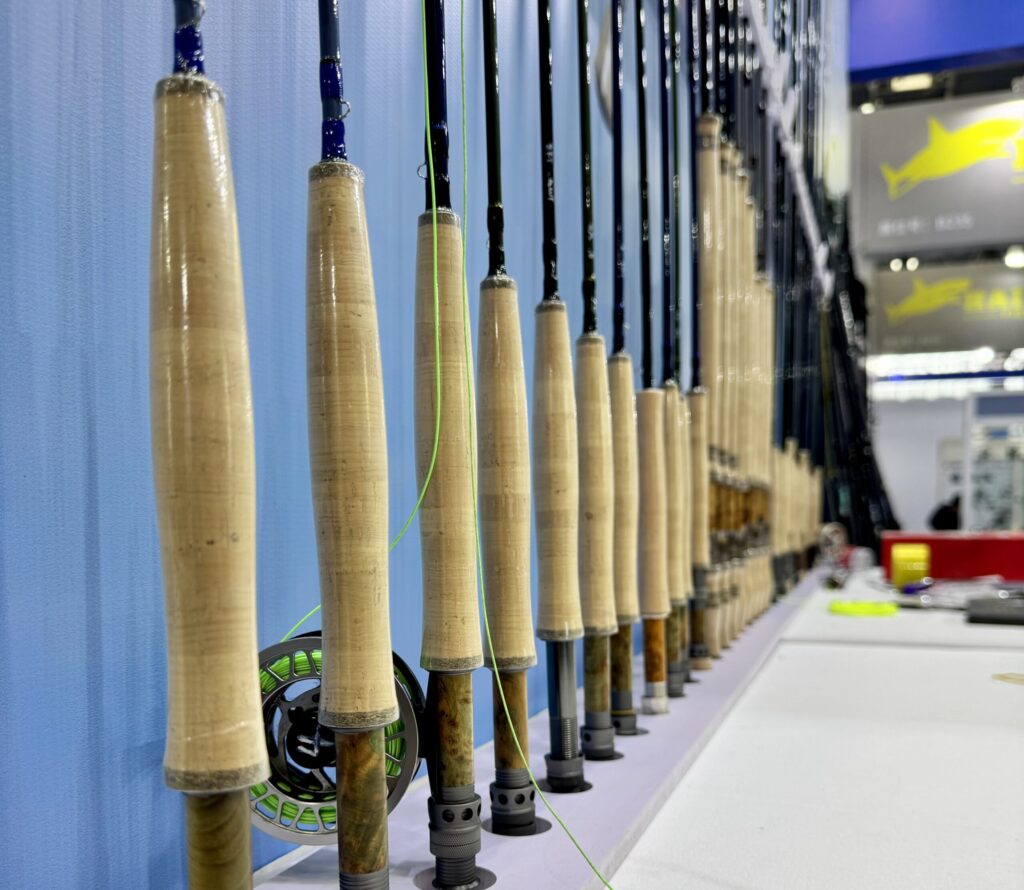
    The show itself was enormous—around 1,000 exhibitors spread across three giant halls, each about the size of two football fields. Yet among all that scale, only a small handful had anything to do with fly fishing. That made those booths matter even more to me. Hidden inside a massive tackle industry show was the small corner I had come for.

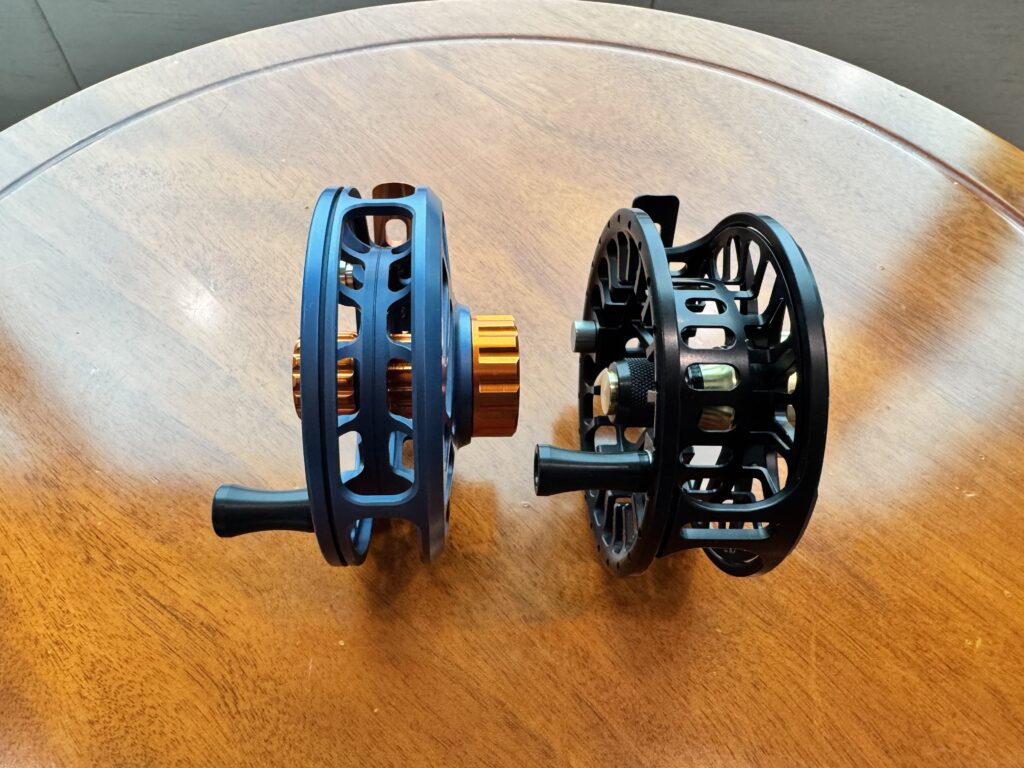
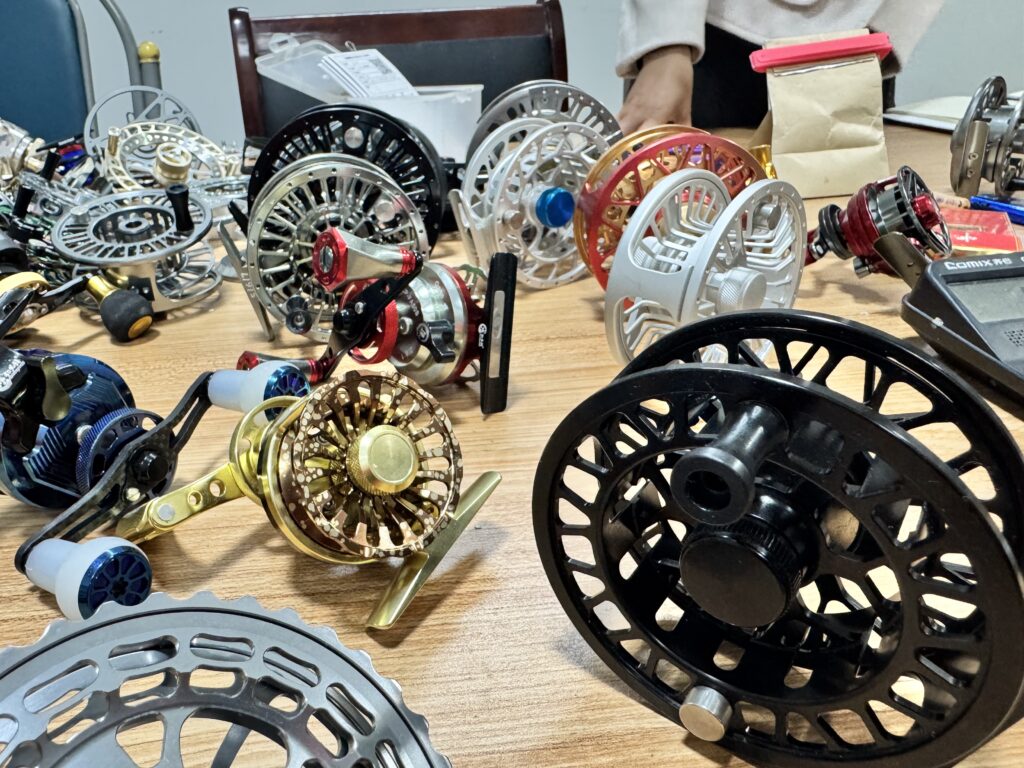
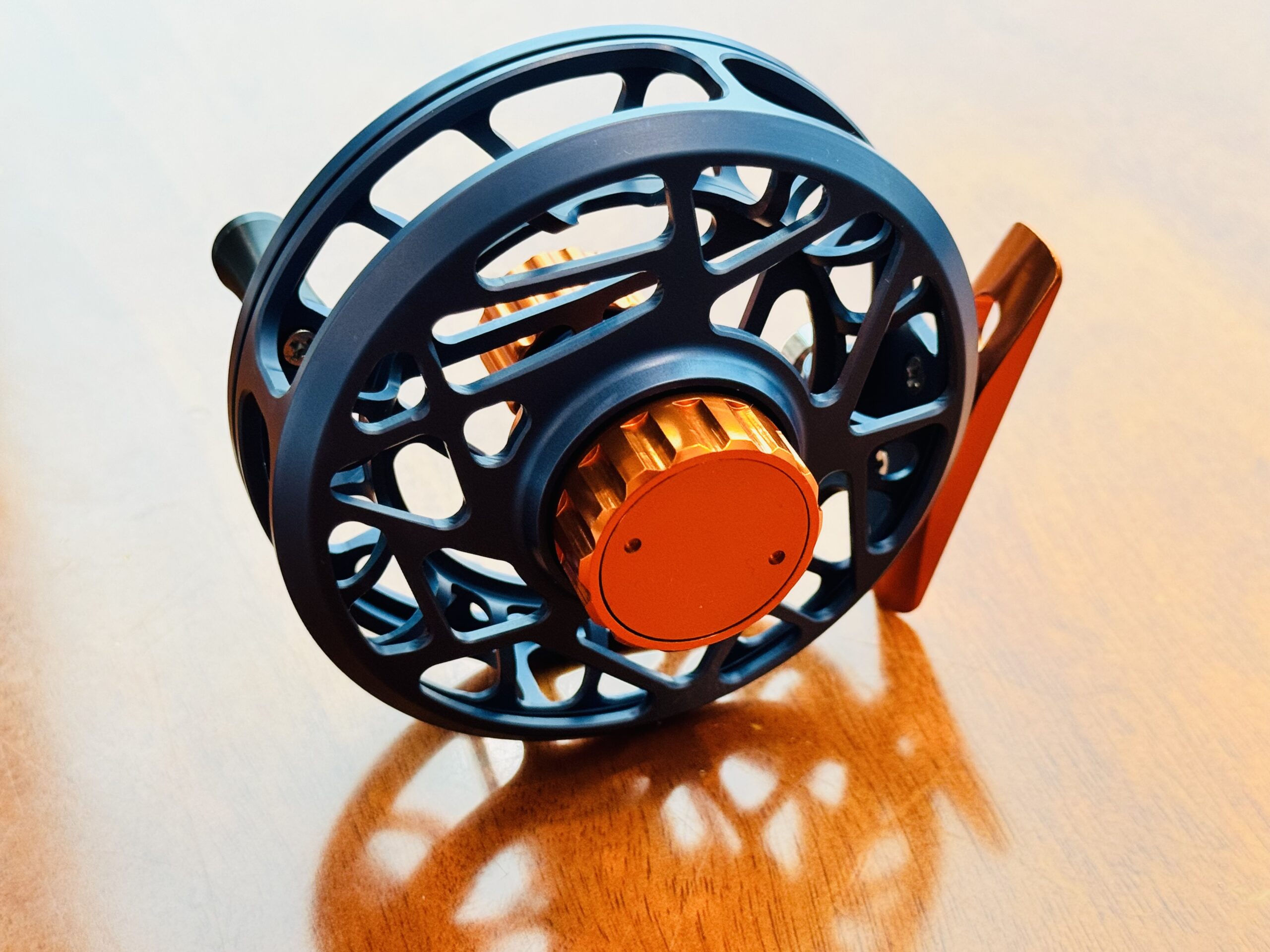
    I spent most of my first day focused on Euro-nymphing reels and the second day working on fly lines. In between, I was often invited to cast new rods with staff from different fly-fishing factories. Those moments were more than casual fun. They reminded me that tackle design is not only done on paper, on screens, or in factory meetings. Sometimes it happens in quick conversations. It occurs in a few test casts. It materializes in the feeling of a rod loading and unloading in your hand.

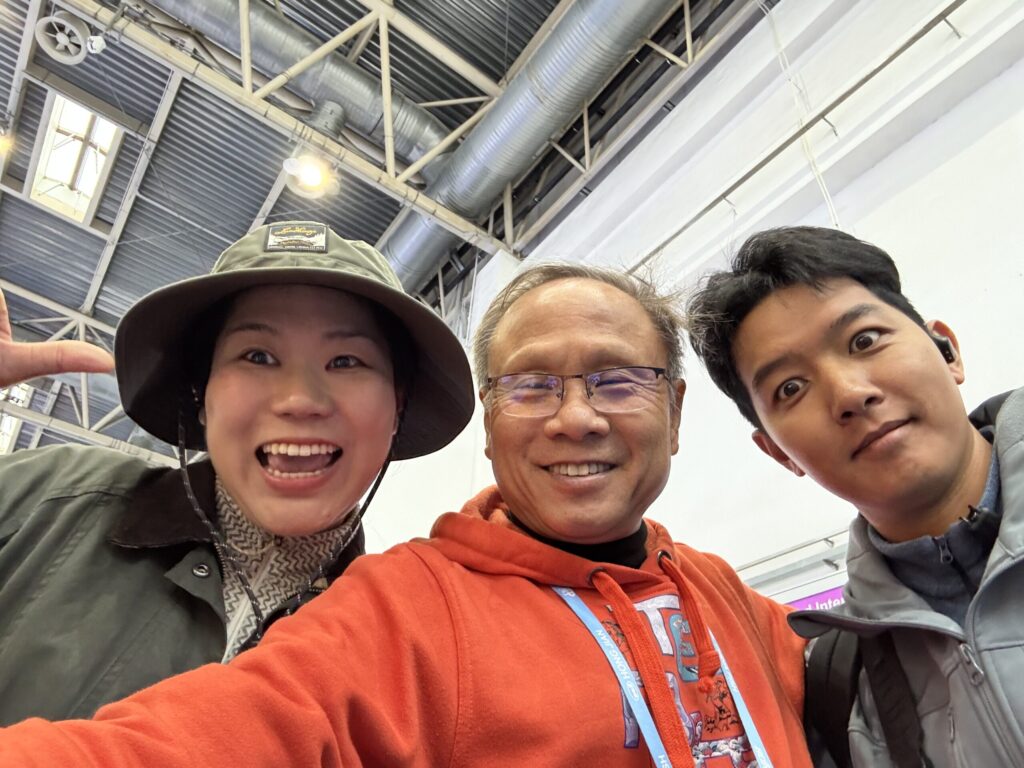
    That was also where I ran into Miss 39. She is a social media influencer who was excited to join the Tanuki team as an ambassador. I also met a few local fly anglers, and we exchanged casting techniques and thoughts about fishing. Those small connections stayed with me. The trade show was huge and full of products, displays, and noise. Nevertheless, the human moments gave the trip its meaning.

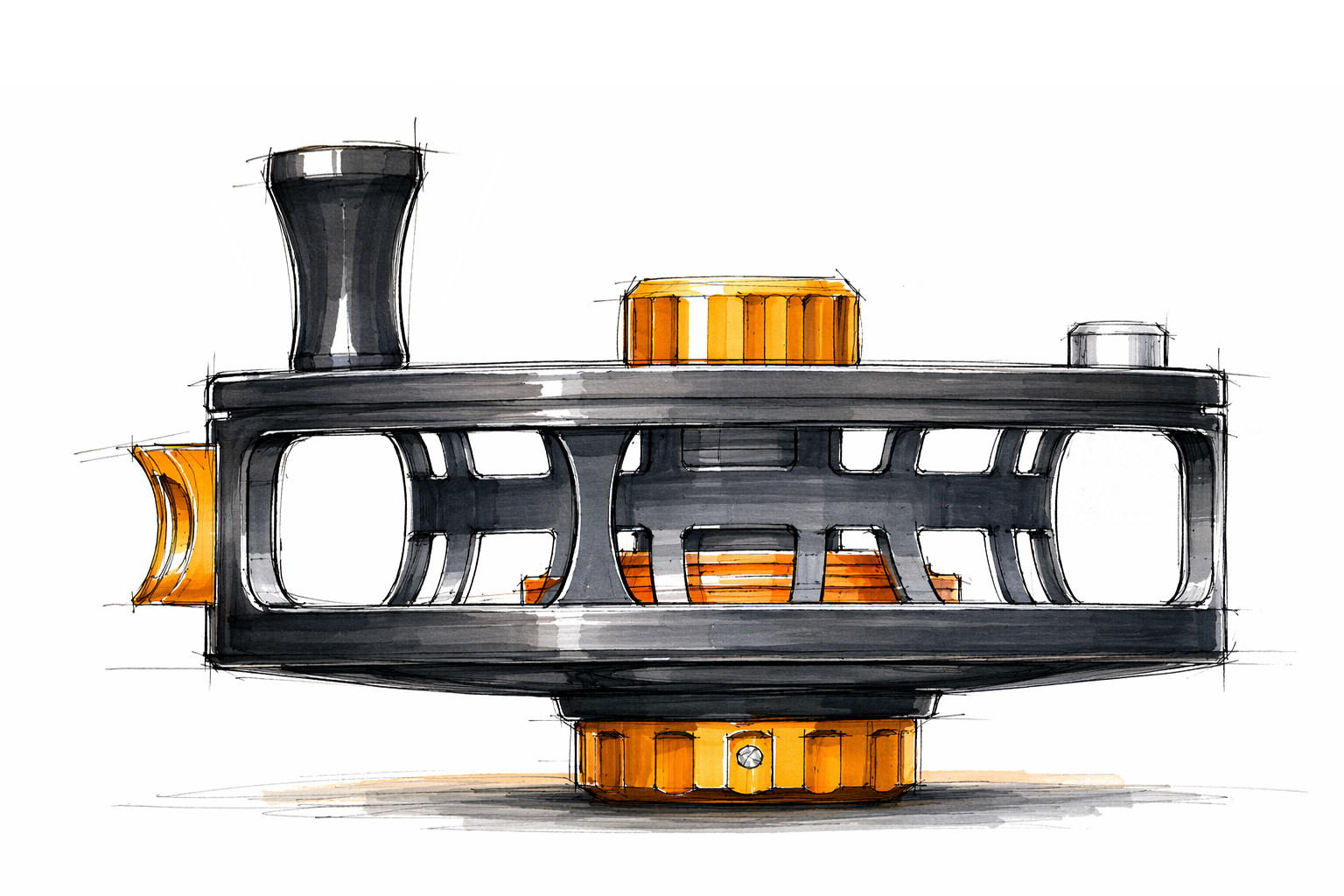
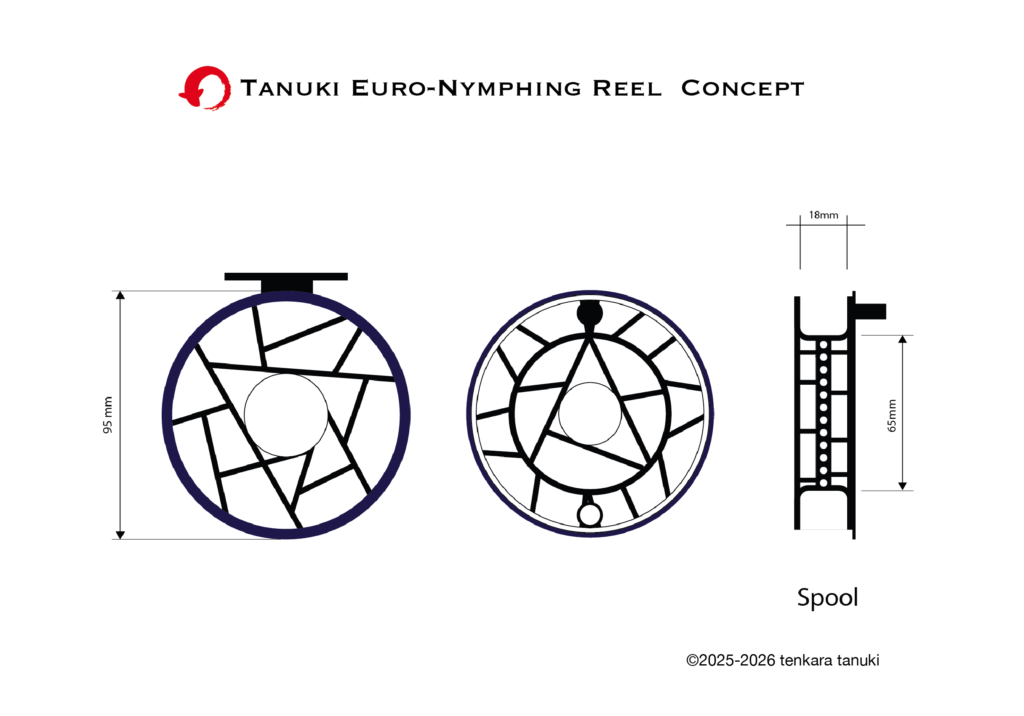
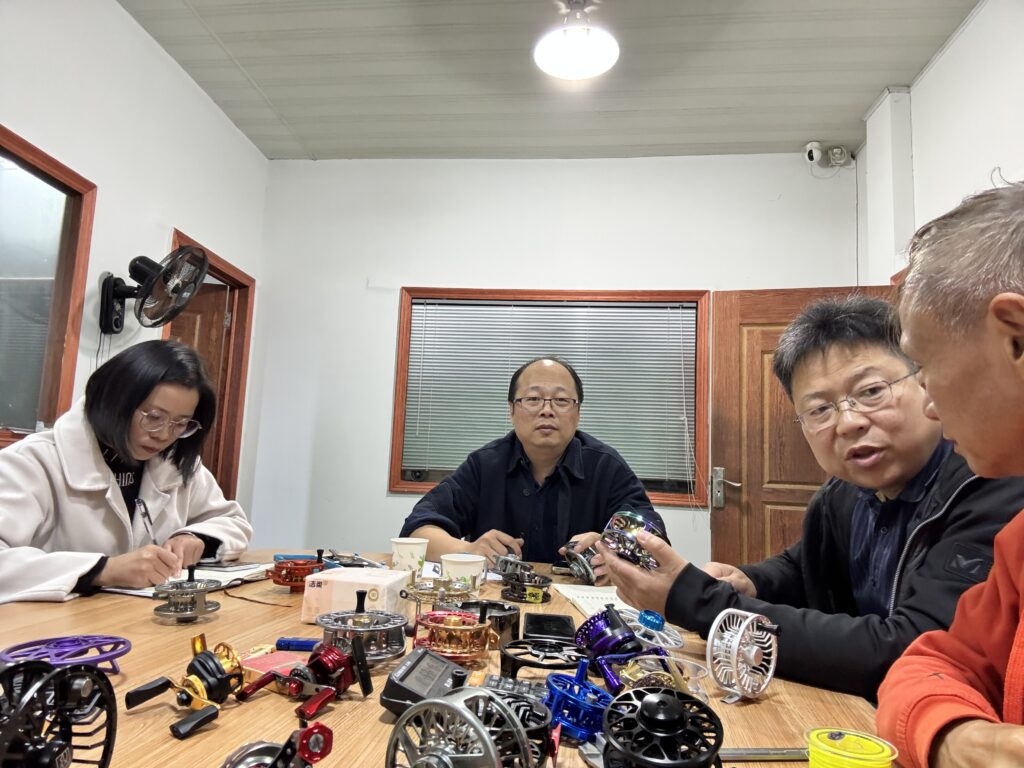
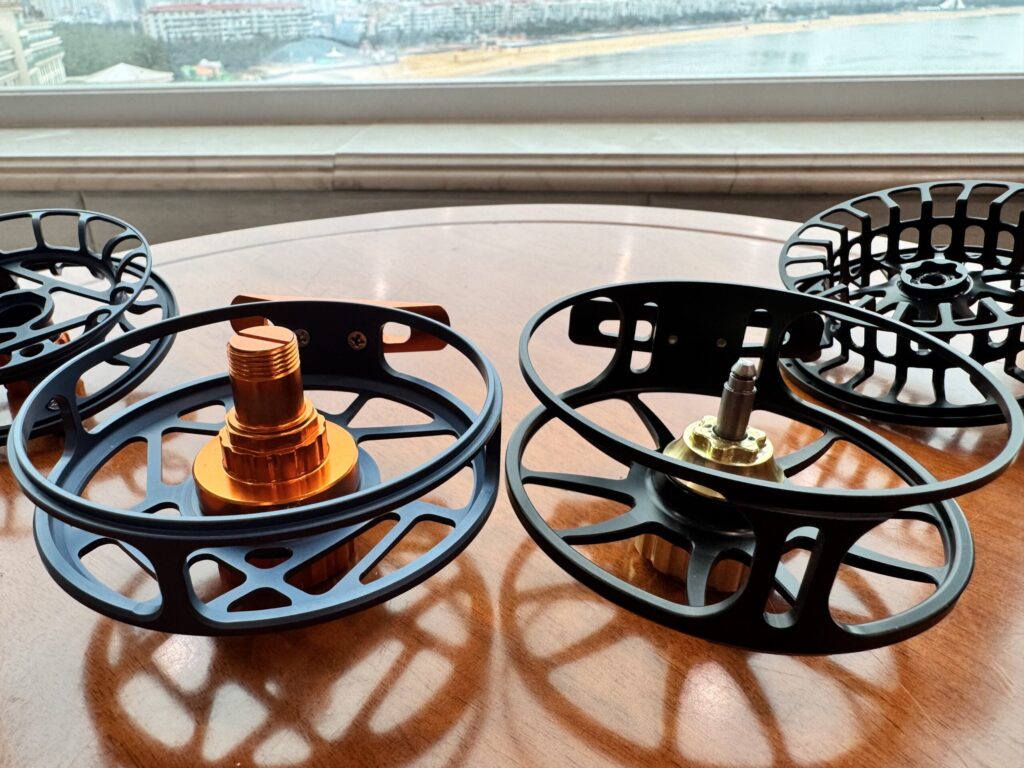
    The reel project had already been moving for months before I arrived in Beijing. After I released my first Euro-nymphing rod prototype in August of last year, testers began asking for a matching reel. That simple request started a new path. I sent design requests to several reel factories in Ningbo. This city is known for reel manufacturing. Last December, I visited them to work out the specifications. Each factory developed a different style of reel. By the time I reached Beijing, I had already seen the first prototypes. The show gave me the chance to continue refining them in person. Meeting face to face is always better than trying to do everything through messages and shipped samples.

    On the last day of the show, I spent time with the Pac Bay team. We were working on custom guides for the Tanuki Euro-nymphing rod. I first met Tony, the new president of Pac Bay, two years ago. By that afternoon, the energy of the show was already beginning to drain away. Although the official closing time was 4:30 p.m., many exhibitors started packing up around noon. By about 2 p.m., half the hall was already empty. It felt like watching a temporary city quietly disappear.

    When the show ended, I went back to the hotel exhausted. I finally needed a nap to catch up with the jet lag. When I woke up, it was already dark outside. It was time to look for food. I also needed to finish packing for the next leg of the journey to Weihai by high-speed train. Weihai is the center of fishing rod manufacturing in China. I thought I knew how to get to the high-speed train station. However, being too confident sometimes creates its own problems. What should have been a simple 50-minute trip to the station turned into an adventure of its own.

  • Tanuki 425 — Responsiveness and a Small Beginning

    Tanuki 425 — Responsiveness and a Small Beginning

    Designing a Long Tenkara Rod, Lessons from Oni School, and the Origins of the Tanuki 425

    During my research and development of my first tenkara rod, one suggestion kept appearing online. That suggestion was: “Get the longest rod you can.” At the time, that usually meant rods around 15 feet long—the longest one-hand casting tenkara rods available then.

    I tried one. It was heavy, and within five minutes of casting in the Japanese style, my wrist hurt. A little later, I realized that placing the index finger on top of the grip felt unnatural. Initially, I followed this style. More importantly, it wasn’t wabi. It didn’t feel calm, balanced, or honest.

    I was honestly surprised when the Tanuki 375 later received such overwhelmingly positive feedback. Anglers described it as light, sensitive, and responsive—and, importantly, not a me-too rod. To me, a me-too rod is an off-the-shelf OEM design with a new label. The Tanuki 375 wasn’t that, and people felt it immediately on the water.

    That response gave me confidence—and the motivation to explore other rod lengths.

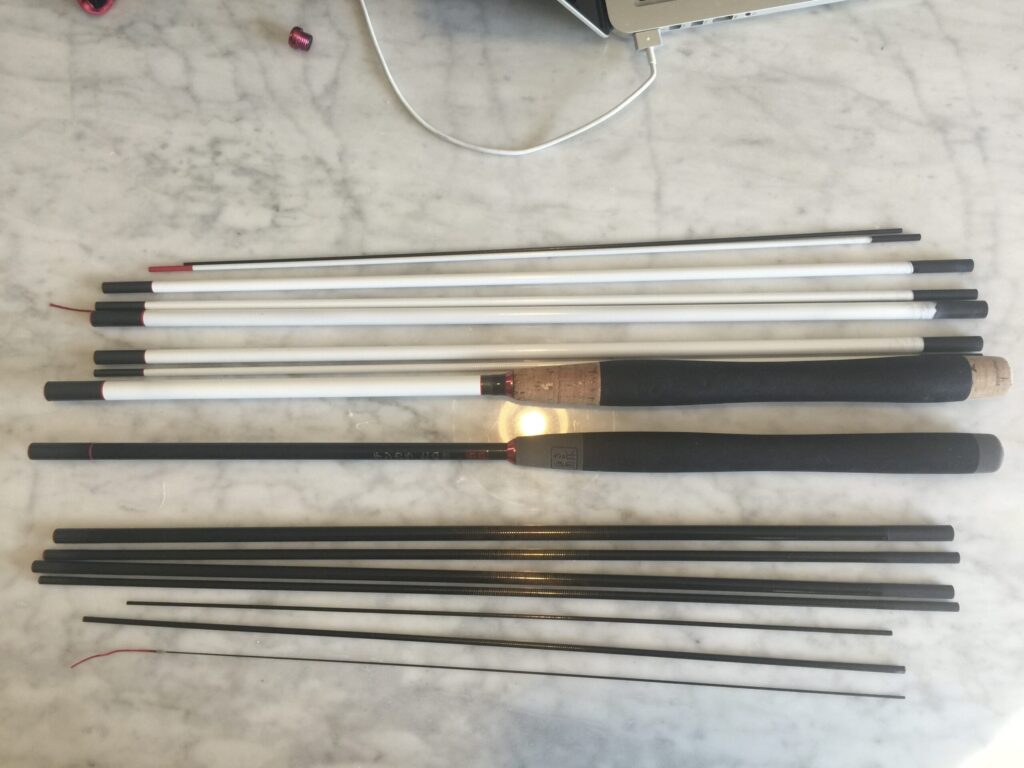
    Snow Tanuki 425 tenkara rod prototype laid out on a workbench, showing white and black rod sections and grip components during early development.
    Same blank. Different finish. Different perception.

    At Oni School in 2015, Dr. Robert Worthing, who guided me early in my tenkara journey, encouraged me to bring the Tanuki 425 prototype to life. After fishing it, Rob told me something that stayed with me. He said the rod felt like it was built specifically for his fishing style.

    When Rob described the rod as responsive, he wasn’t talking about speed or stiffness. He meant it was easy to cast with accuracy. It was easy to place the fly exactly where he wanted it, without effort or correction.

    Then he said, simply:

    “I just want it as it is—no change.”

    I took that seriously.

    I respect Rob not only as a fisherman, but as a teacher. In my mind, he is second to none as a tenkara angler and instructor outside of Japan. I relied on his experience and feel. I decided to bring a small quantity of the Tanuki 425 into production. I made no adjustments to the blank.

    The Tanuki 425 was never meant to be a mass-market rod, and it was never meant to replace the 375. It was a rod that worked as is, for a specific style of fishing.

    Surprisingly, the Tanuki 425 drew strong interest from Italy—and it still does, even more than a decade later.

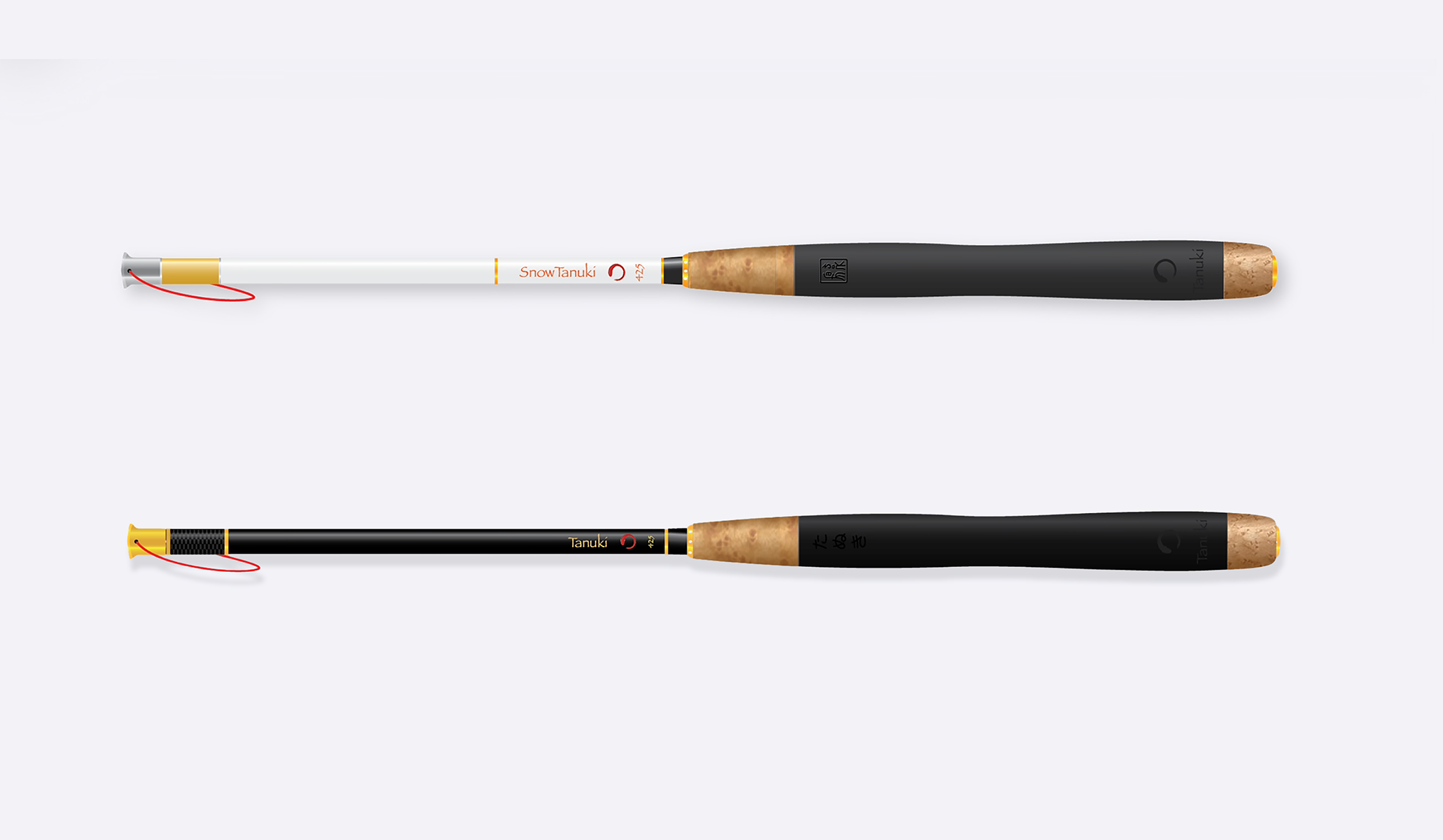
    That same day at Oni School, one of the Tanuki 425 prototypes was painted white. It drew a lot of attention at Oni School in Utah. Later that year, it also caught many eyes at the Tenkara Summit in Colorado. When I asked people, “Which one do you like, and which one would you buy?” the answer was interesting: 100% liked the white, and 100% said they would buy the black.

    At the Summit, everyone preferred a cork handle. At Oni School, everyone preferred EVA. Those small differences mattered.

    So why not make a white version? But white felt too plain. I named it Snow Tanuki.

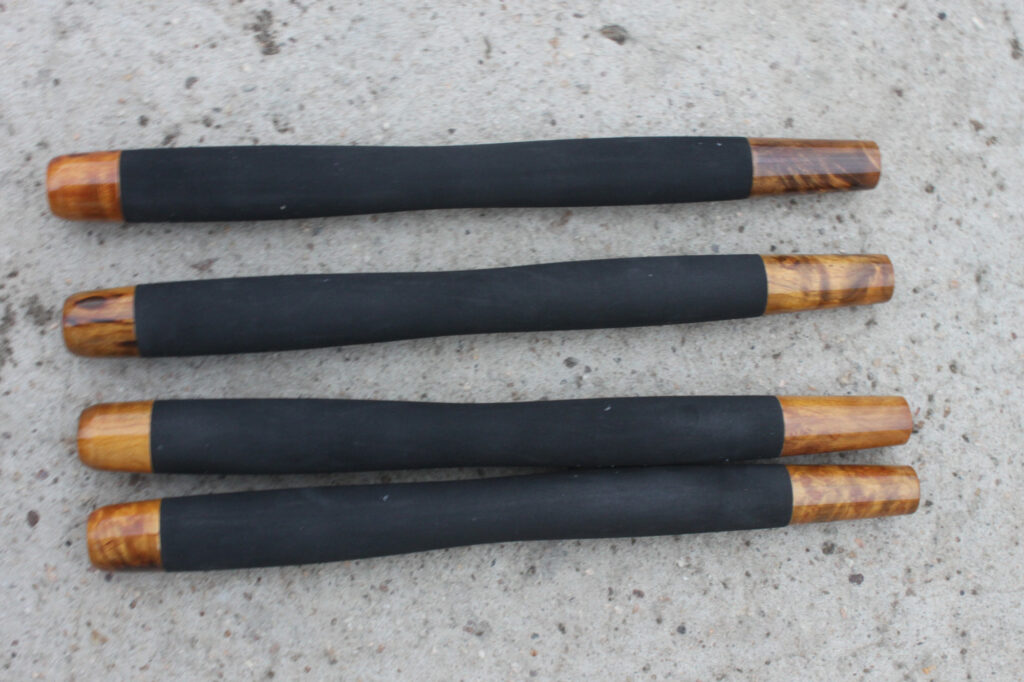
    Tanuki 425 tenkara rod grip showing black EVA handle with wooden end inserts
    The Tanuki 425 grip combines modern EVA with natural wood inserts.

    Today, the Snow Tanuki is hard to find. The first small batch of the Tanuki 425 sold out in just 30 minutes. With this, a new branch of the Tanuki story quietly began. There was a lot of debate on Facebook and at fly fishing shows: Would the white color spook fish? Does white blend with clouds in the sky? Egrets use white feathers—maybe that’s why it works.

    That discussion helps explain why the Snow Tanuki received so much attention. From a production and inventory standpoint, nevertheless, achieving a true Snow Tanuki white finish proved extremely challenging. Keeping a 100% white surface was expensive. These challenges led me to scale back the Snow Tanuki model.

    Handling a pure white finish requires extraordinary care. Dust control is critical, and every step must be kept perfectly clean. In the early days, Tanuki rods were mostly finished by hand. Even today, with improved facilities, equipment, and fewer but more experienced workers, producing a flawless white finish remains difficult.

    What remained fascinating was perception. Despite using the same blank, the white-finished rod feels lighter and softer to many anglers. Ironically, the white finish is actually heavier. It requires a multi-stage process. This includes a primer coat, paint coat, and final finishing coat. This multi-stage process is compared to the single finishing coat used on the black version. It’s a clear example of how visual cues can influence feel just as much as material reality.

    The Tanuki 425 remains, to me, the most beautiful rod over 13 feet long. It is not the longest rod. Still, it feels right. And best of all, it never needed to be changed.

    Looking back, the Tanuki 425 was a lucky shot. I wasn’t overthinking it. In other words, I didn’t spend nearly as much time developing it as I do with rods today. At that time, I didn’t understand the difficulty of designing a truly good tenkara rod. A rod longer than 12 feet presents unique challenges.

    For example, the Nissin Air Stage 380 (about 12’5”) honryu, “main river”, rod is very light. Its swing weight is low because it uses a collapsed length of more than 3.5 feet. Back then, I didn’t fully grasp what those takeoffs meant.

    The Tanuki 425 taught me that lesson quietly—through feel, not theory.

  • The Birth of the Tanuki 375: How a Simple Tenkara Rod Began

    The Birth of the Tanuki 375: How a Simple Tenkara Rod Began

    The Tanuki 375 was born at Oni School —a place that quietly reshaped how I thought about tenkara, and about myself as a rod maker. It was there that I first met Christ Stewart founder of TenkaraBum, and MD. Robert Worthing, one of the founders of  Tenkara Guides.

    When I returned home, I started looking for a name.

    Somehow, I landed on Tanuki—and it felt inevitable. My first trip to Japan was in 1980, when I stayed in Tokushima, a region known for its Awa Tanuki folklore. That image had been sitting quietly in my subconscious for decades.

    The Tanuki is a trickster in Japanese folklore—and fly anglers are tricksters too, always trying to outsmart a fish with line, fly, and presentation. Then there’s the inside joke: tanuki are famously depicted with oversized sacks—practical, humorous, and impossible to ignore. Somehow, that irreverent spirit fit the rod a little too well.

    If you’re curious about the folklore behind the tanuki, you can watch the youtube here: https://www.tofugu.com/japan/tanuki/

    Once the name settled in, the logo came next.

    My first attempt—a simple tanuki—felt charming but confusing. It didn’t immediately say fishing. I wanted something that hinted at Japanese identity without spelling it out.

    I wanted something simple. Quiet. Complete.

    The enso symbol felt right. To an angler, it reads instantly as a fish. To others, it’s a circle—unfinished, balanced, and intentional. By combining the fish with the enso, the logo became both literal and symbolic, much like the rod itself. When I put the designs up for a vote, the enso fish won easily.

    That moment marked the real beginning of the Tanuki 375—not as a product launch, but as a moment of clarity. A small idea, encouraged at the right place, at the right time.

    From there, the visual language followed naturally. A rod that felt Japanese without ever saying it was Japanese. Simple colors—black and gray, with a restrained touch of red. I studied Japanese packaging and worked toward something that felt quiet, intentional, and familiar.

    When the rods were finally completed, I contacted Chris again. I assumed he would carry them. This time, he hesitated. To protect the identity of “Japanese-made” rods, he decided not to carry the Tanuki 375. The rods were made in China, and he was concerned about long-term consistency and restocking.

    I was disappointed—but not discouraged.

    I built a small online store. A friend suggested I try Facebook to spread the word. A few weeks later, the rods arrived.

    And then something unexpected happened—in the best possible way.

    The rods began to sell on their own. That early success gave me momentum and confidence to keep designing. Ideas started circling constantly. I found myself distracted at work, my mind always drifting back to rods, tapers, and materials.

    Eventually, I made a decision that felt both risky and inevitable. I devoted myself full-time to rod design—and to building a community around it, something I’ve enjoyed just as much as making the rods themselves.

    Looking Ahead

    Since the Tanuki 375, I’ve learned an incredible amount about tenkara rods—materials, taper, swing weight, balance, and how subtle design choices change how a rod actually feels on the water. In the next series, I want to share those lessons. Not as marketing, but as understanding—why rods behave the way they do, and how the design process can make fishing feel simpler and more connected.

    This story marks the first step of Tanuki on a thousand-mile journey. When I think about the Tanuki 375 now, I don’t think about specs or measurements. I think about where I was, what I didn’t yet know, and how much the rod taught me in return. At the time, I couldn’t see where it would lead—and that uncertainty was part of the beauty. The journey was just beginning, like a mayfly drifting through twists and turns of the current.

  • How the Tanuki 375 Began to Take Shape

    How the Tanuki 375 Began to Take Shape

    I felt good about my first rod. It was labeled Fatmonk 360—360 cm in length. The name Fat Monk symbolized something simple and joyful, which felt right for where I was in my journey.

    tanuki 375 concept

    I took the rod to Utah, where I met Eric Ostrader of Tenkara Guides LLC in Salt Lake City. We headed up to Little Cottonwood Canyon, and in just one day on the river I learned a tremendous amount from Eric.

    About half an hour into fishing, Eric suddenly picked up his phone and called John Vetterli. John showed up roughly an hour later. The two of them spent a long time talking on the riverbank, then John took the rod and fished with it. He landed several fish—around six to eight inches—before returning to the bank. More discussion followed.

    The whole stretch of river was essentially mine.

    “Just keep fishing,” they told me.

    By the end of the day, we had become good friends.

    Before John headed out, both Eric and John said something that caught me off guard:

    “This is the rod. You should make more of these for the Tenkara community.”

    At first, we all wondered if it might simply be another “me-too” rod.

    “What’s a me-too rod?” I asked.

    Eric explained that when Tenkara was first introduced to the U.S. by Tenkara USA, many people jumped on the bandwagon—buying generic OEM rods from Alibaba, relabeling them, and selling them as their own. Those became known as me-too rods.

    That conversation stayed with me.

    From my background producing CD-ROM games, I already knew that making something for the market is difficult—but selling it is a hundred times harder. It takes time, energy, and a completely different mindset. I wasn’t ready to turn this into a business. I still saw it as a hobby—but I was willing to test the water.

    Eric also invited me to attend the first Oni Tenkara School that June. I was thrilled. It would be my first opportunity to meet the Japanese rod maker Masami Sakakibara—a living master whose influence on modern Tenkara is second to none.

    Around that time, I posted about my fishing experience with Eric on Facebook. We were nymphing—the weather was cold, there was no hatch, and at that point I was still transitioning from traditional fly fishing, where I mostly fished dries or nymphs rather than kebari.

    The response surprised me.

    A storm of comments followed:

    “Tenkara rods are not for nymphing.”

    “Tenkara is only for kebari.”

    I was confused.

    I kept asking myself a simple question:

    What does the rod have to do with it?

    To me, a rod is just a tool—an extension of the angler’s arm. The goal is simple: present a fly, connect with a fish, and enjoy the moment on the water.

    Still, fishing with kebari began to spark my curiosity. At the same time, I wondered what I was supposed to do with the thousands of flies I had tied over the past twenty years. Even so, I was happy to explore this almost mythical approach to fishing.

    After watching countless Tenkara videos online, one thing became clear: kebari demanded a softer, more responsive tip. Building a completely new rod would be expensive and would mean starting from scratch. Instead, I decided to experiment.

    I began by extending the first few tip sections of the rod. But changing length alone risked throwing the rod out of balance. The challenge was to keep the lower sections stable for casting and fish control, while allowing energy to flow through the rod smoothly.

    After many trials, the best solution I found was to extend the first three sections by about five centimeters each and subtly adjust the taper of sections four and five.

    I temporarily kept the original 360 label, covered it with Tanuki, and treated it as a prototype. The result was a 375 cm rod.

    I took the Tanuki 375 prototype to Oni Tenkara School to learn kebari fishing in the traditional Japanese style—and to receive feedback directly from Sakakibara-san and the community. It was the first time the rod was tested beyond my own hands.

    That experience became the turning point.

    The feedback I received—on the water and in conversation—was unexpectedly affirming. The rod had moved beyond experimentation and into something real. That moment marked the official birth of the Tanuki 375 and the beginning of the Tanuki rod journey.

  • How I Chose a Rod Maker and Built My First Tenkara Rod

    How I Chose a Rod Maker and Built My First Tenkara Rod

    From kitchen prototypes to the first finished rods

    After the prototypes were completed, my excitement quickly shifted to the next challenge: finding a rod maker who could help turn these experiments into real rods.

    Thanks to the internet, the entire world suddenly sat on my desktop.

    Unfortunately, none of the rod makers in the United States were interested in building a small run of prototypes. Some quoted prices that were simply out of reach. Others required long lead times—six months at minimum—along with large upfront deposits. At the same time, Japanese and Taiwanese rod builders weren’t interested in prototype work either. Many preferred to sell existing designs or tell me what they thought was best for me.

    I wasn’t looking to be sold a rod.

    I was looking for someone willing to build one with me.

    I searched through countless listings on platforms like Alibaba. Most factories wanted to push what they already had in stock. Others were unwilling to deviate from their standard designs.

    Then I found a small rod maker in China with a very different response.

    “Tell us what you want,” they said. “We’ll do our best.”

    That was all I needed to hear.

    I explained that I wanted to go through at least three rounds of prototypes, each built to my specifications. Their response was straightforward:

    “No problem—we’ll send you the PI options.” (PI stands for Purchase Invoice.)

    The standard turnaround time for a prototype was about four weeks. If I wanted it completed in less than two weeks, the cost would double. I chose speed—I couldn’t wait to see the first result. Even at double the cost, a two-week turnaround, combined with international shipping via FedEx, was still faster and more practical than any other option I had explored.

    The first batch arrived quickly: three prototype rods, each built with different materials. This allowed me to closely inspect carbon quality, construction consistency, and overall craftsmanship.

    After extensive casting-pond evaluation, I selected Toray 46T high-modulus carbon, approximately equivalent to what is commonly labeled IM12. Tonnage (T) refers to tensile modulus—higher values indicate stiffer fibers—but modulus alone does not define rod performance. IM ratings, by contrast, are manufacturer-defined and non-standardized.

    Compared to lower-modulus materials, Toray 46T offered reduced mass, faster recovery, and higher responsiveness. The trade-offs are increased material cost and a narrower flex envelope, both of which were acceptable within the intended design parameters.

    See the table below for an approximate Tonnage (T) to IM comparison.


    IM Rating vs. Tonnage — Approximate Equivalents

    IM RatingApproximate Tonnage Equivalent
    IM6~24T
    IM7~30T
    IM8~36T
    IM10~40T
    IM12~46T

    The second round of prototypes focused on improving flexibility and refining craftsmanship. I worked directly with the factory’s rod engineer, and to speed up the process we conducted strength tests and live rod-bend curve evaluations over Skype. This approach saved both time and shipping costs.

    By early February 2015, ten final rods were delivered with a simple label: Fatmonk 360 (360 cm). Ten rods were enough for me—to fish extensively and to gift to a few close fishing friends.

    I was thrilled.

    It was time to go fishing.

    Around that time, Hideto Ed Yoshida, president of the Tokyo Fly Fishing Club, flew over to visit. I took him fishing with the new rod.

    After a few casts, he turned to me and said,

    “This is the best Tenkara rod I’ve fished. Casting level line with your rod is hard to beat. It’s perfect for both nymphing and kebari.”

    I thanked him for the compliment, but part of me wondered if he was simply being polite. To be sure, I asked,

    “Do you think I should change anything if I commercialize the rod?”

    “No,” he replied. “Leave it alone. It’s perfect—for me.”

    That was when I knew his feedback was genuine.

    For the first time, I felt real confidence—not just in the rod, but in the journey that led to it. I couldn’t wait to put it into more hands and see what others felt.