

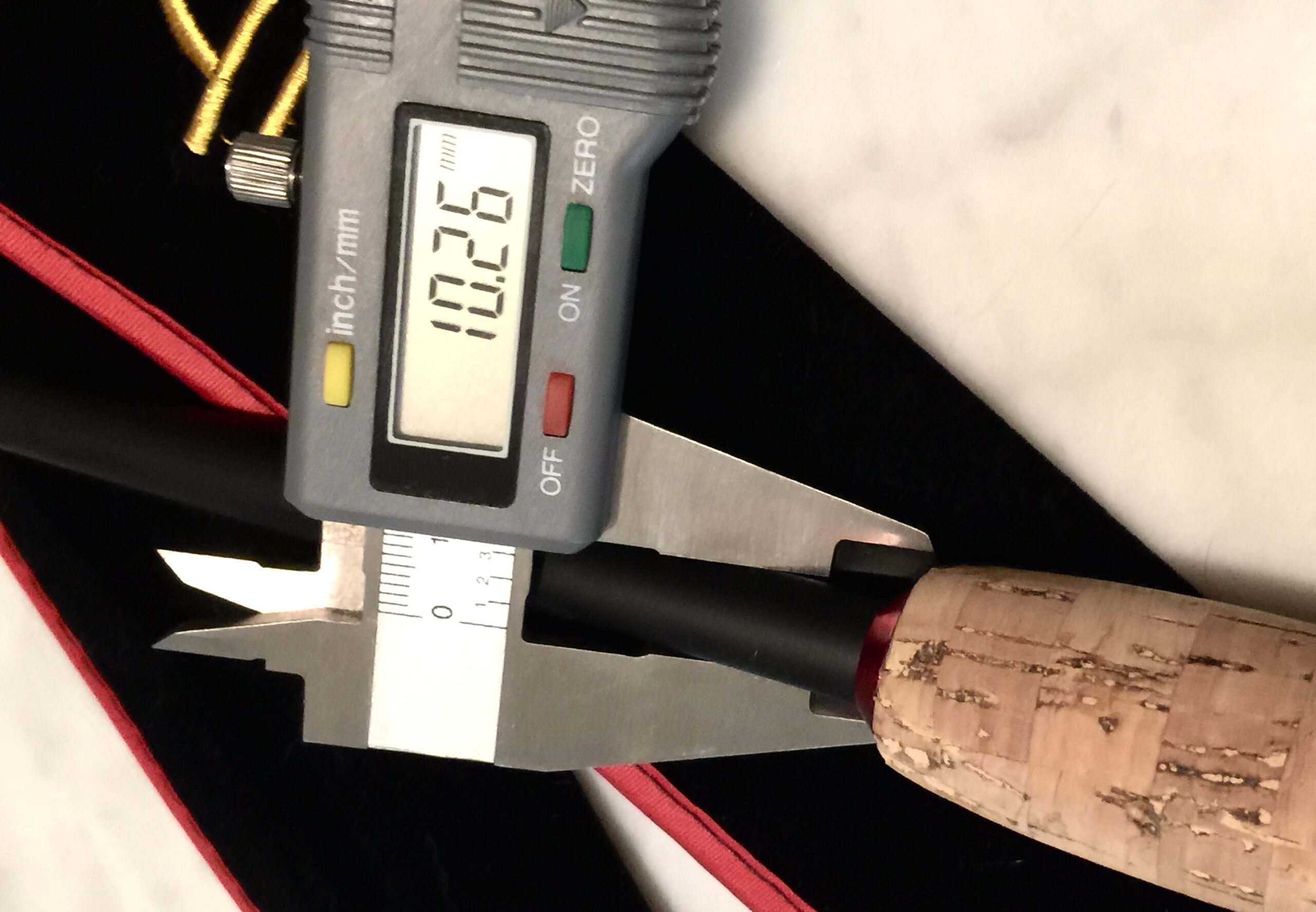

From fishing experience and data collection to first prototypes
After the long-line fishing trip at Baum Lake, I wasted no time. Despite a wrist that was still sore, I dove straight into research—digging through reviews, watching videos, reading forum discussions, and studying online shops. I was searching for what I thought might already exist: a Tenkara rod that fit me, evaluated through the combined lens of a rod builder and an engineer.
I couldn’t find one.
That realization became the trigger.
I’m trained as a design engineer by trade, and I’ve spent years working with manufacturing and hands-on building. Designing and building a custom telescopic rod, from a complexity standpoint, is far less demanding than building a split bamboo fly rod—which I had already done. The challenge wasn’t whether I could build one. It was how to approach it correctly.
I started the same way I approach any engineering problem: data collection.
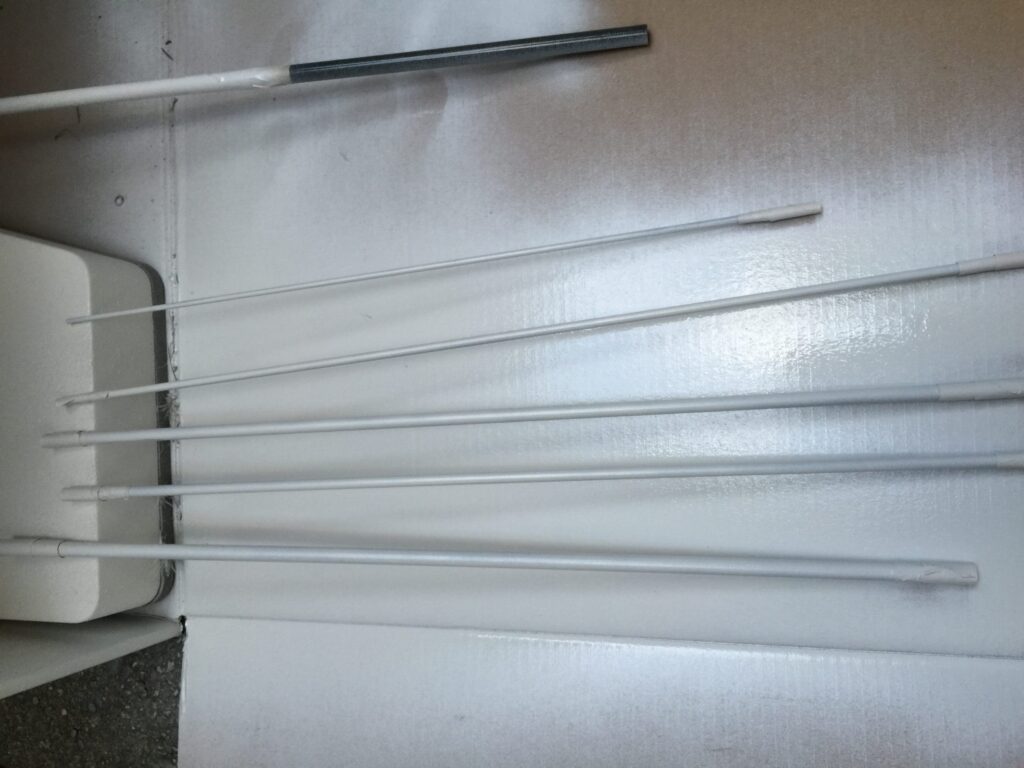
I carefully analyzed rod tapers, section counts, lengths, and on-water behavior. But when it came to materials, reading wasn’t enough. I needed to feel them. I purchased all kinds of rods and rod blanks—some through online marketplaces, others from custom Tenkara rod suppliers—to understand how modern materials affected rod action.
Coming from a bamboo background, I had always understood rod action as largely a function of taper. In bamboo, taper is everything. Change the taper, and you change the rod.
Modern Tenkara rods are different.
With contemporary materials, rod action is no longer a single-variable problem. It’s shaped by material properties, construction techniques, wall thickness, section transitions, and taper working together. The rod isn’t just a profile—it’s a system.
Shortly after the holiday season, I began building my first prototypes—right out of my kitchen.
I didn’t have factory equipment. I wasn’t cutting blanks with power saws and water cooling like the factories you see online. Instead, I used what worked: an old serrated kitchen knife, which turned out to be surprisingly effective, and a water stone to smooth the edges. I taped sections together using duct tape and masking tape, focusing purely on function, not appearance.
Once the prototypes were assembled, I took them to the casting pond to gather feedback. Experienced fly casters gave thoughtful input on balance, grip, and feel—but the most valuable feedback came from an unexpected group: children.
Experienced casters could adapt to almost anything. Children couldn’t.
They were drawn immediately to the prototypes that were light, easy to cast, and forgiving—because their wrists were weaker and their movements less refined. That feedback was honest, unfiltered, and incredibly revealing.
After several rounds of casting, feedback, and fine-tuning, the direction became clear.
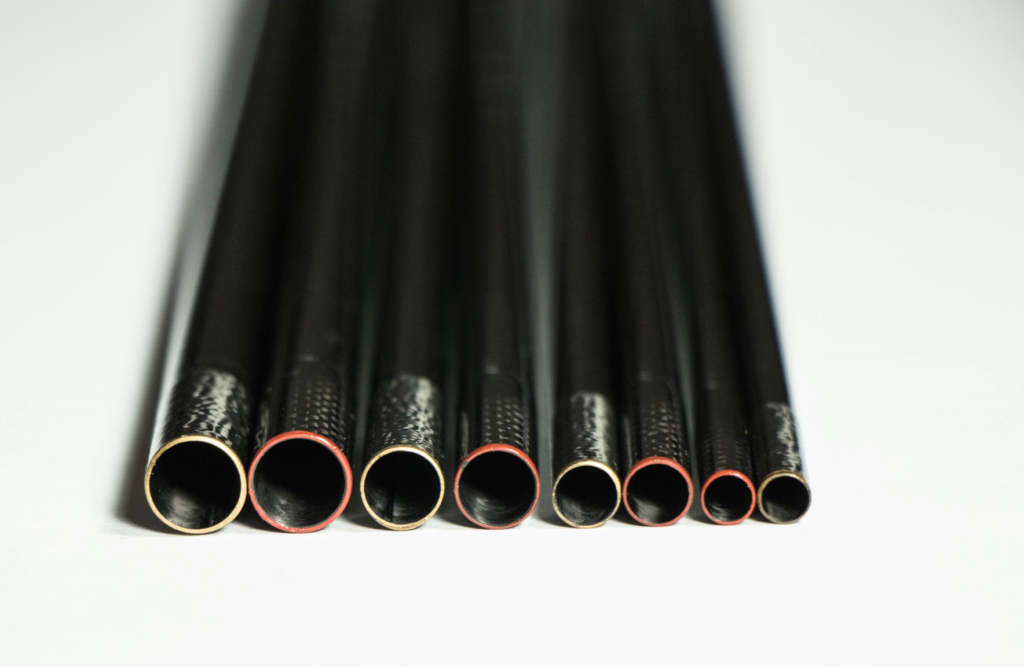
Building a modern carbon-fiber rod entirely on my own would be extremely expensive and would require specialized equipment and manufacturing experience far beyond a home setup. From an engineering and practical standpoint, it made far more sense to commission the work to a professional shop—one that already had the tools, processes, and expertise—while I focused on design intent, testing, and refinement.
That decision marked the next phase of the journey, It was time to find a shop that could help turn these experiments into a real rod.