

The Idea Began in Europe
After releasing my first euro nymphing rod prototypes, I took several of them to Europe for testing last year. During that trip, and even more after I returned home, I began hearing the same question from testers in both Europe and the United States:
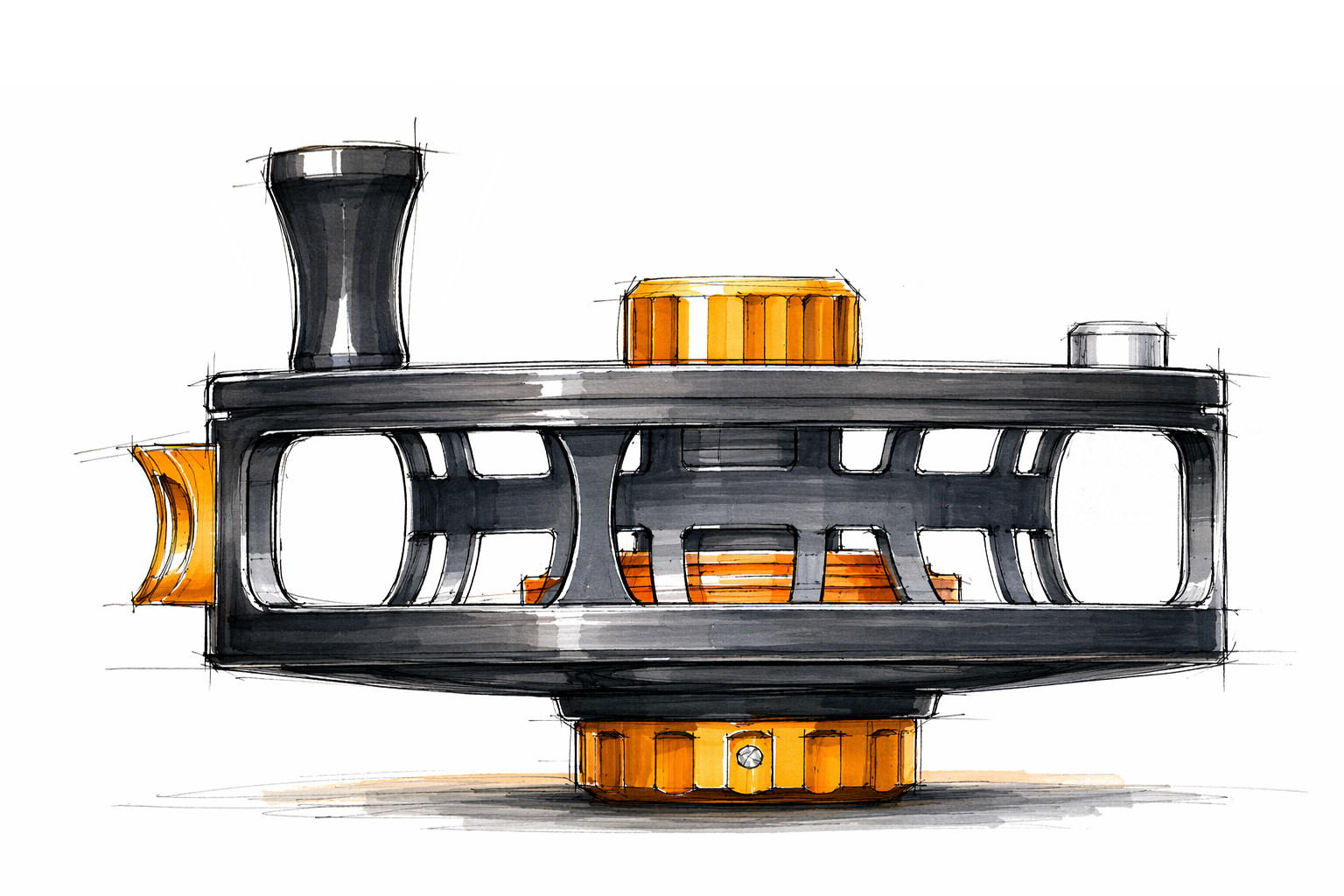
Would I also develop a euro nymphing reel?
That question stayed with me.
At first, I was not sure I wanted to take on another big project. Rod design already demands a great deal of time, patience, and attention. But the more I thought about it, the more curious I became. In the end, I decided to take a stab at it and see what I could do.
Learning from a Friend
As I began thinking more seriously about the reel, I reached out to my friend Gianluca Bonomi, co-owner of Like a River Alps in Italy. Gianluca is deeply passionate about euro nymphing, and over the last ten years I have fished with him many times in Europe. He also introduced me to the Italian style of euro nymphing, which feels quite different from the high-stick style I first learned in the United States.
When I asked him what matters most in a euro nymphing reel, he explained it in a simple and practical way:
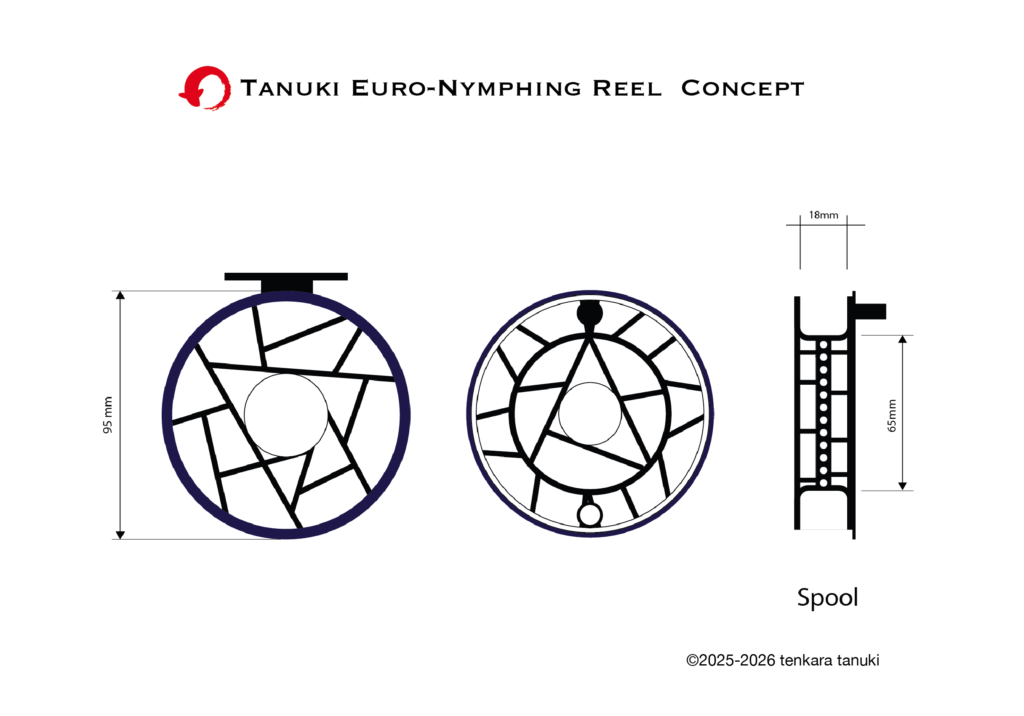
“A narrow spool is well suited to euro nymphing lines, a large arbor helps reduce line memory and coiling, and a full-frame or closed-frame design helps prevent thin line from slipping between the spool and frame.”
That gave me a very clear starting point.
My Engineering Side Took Over
Beyond spool dimensions and frame design, my engineering side was especially interested in materials, tolerances, and construction. I wasted no time diving into research, building 3D prototype models, and reaching out to reel makers in China whom I had met at the Weihai Fishing Tackle Export Show in 2024.
Before long, I realized I needed to go there in person.
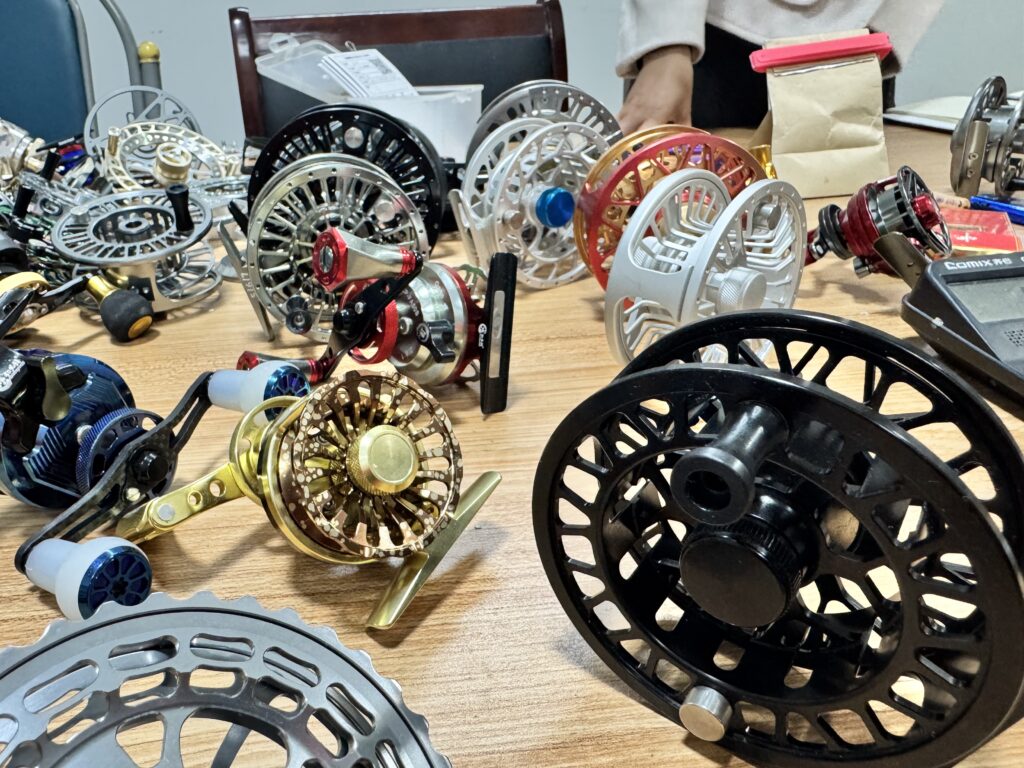
I planned a trip to Ningbo to visit reel factories, discuss my ideas face-to-face, and learn directly from the engineers. Ningbo is widely recognized as one of the major centers for reel and tackle manufacturing in China, about 900 kilometers, or roughly 550 miles, from Weihai. In a way, Weihai is known more for rods, Ningbo more for reels, and between them Lianyungang is known more for fishing lines.
One thing I have learned in China is that different regions often specialize in different parts of the fishing industry. That alone taught me a great deal.
Choosing the Factories
After reviewing samples from several factories, I narrowed my choices to three companies: two in Ningbo and one in Weihai. I was excited to meet them in person and begin working directly on the design.
In my experience, it is faster and more effective to work directly with manufacturers than to communicate only online. To really control quality and refine a product, I usually need at least three trips.
The first trip is about understanding the technical specifications and the development process.
The second trip is about reviewing the prototype and making changes.
The third trip is about fine-tuning, final details, and packaging.
That process has become almost a pattern for me.
From Weihai to Ningbo
At the same time, I was already planning to fly to Weihai to continue work on a new euro nymphing rod prototype, the E2 2-weight. The E2 stands for Euro Nymphing #2, similar to the 2-weight rating used by other brands.
While waiting for the revised rod prototype, I flew into Hangzhou and then took a taxi to Ningbo. The ride was about an hour and a half. Hangzhou airport is huge, so I stayed overnight at a nearby hotel. Around 7:30AM the next morning, the factory picked us up. From there, it was another two-hour drive.
When we arrived, we started working almost immediately.
After a quick inspection of the facility, I sat down with the owner, who was also the chief engineer, and we began working directly on the 3D model together. By lunchtime, we already had a strong concept taking shape. We kept refining it late into the evening.
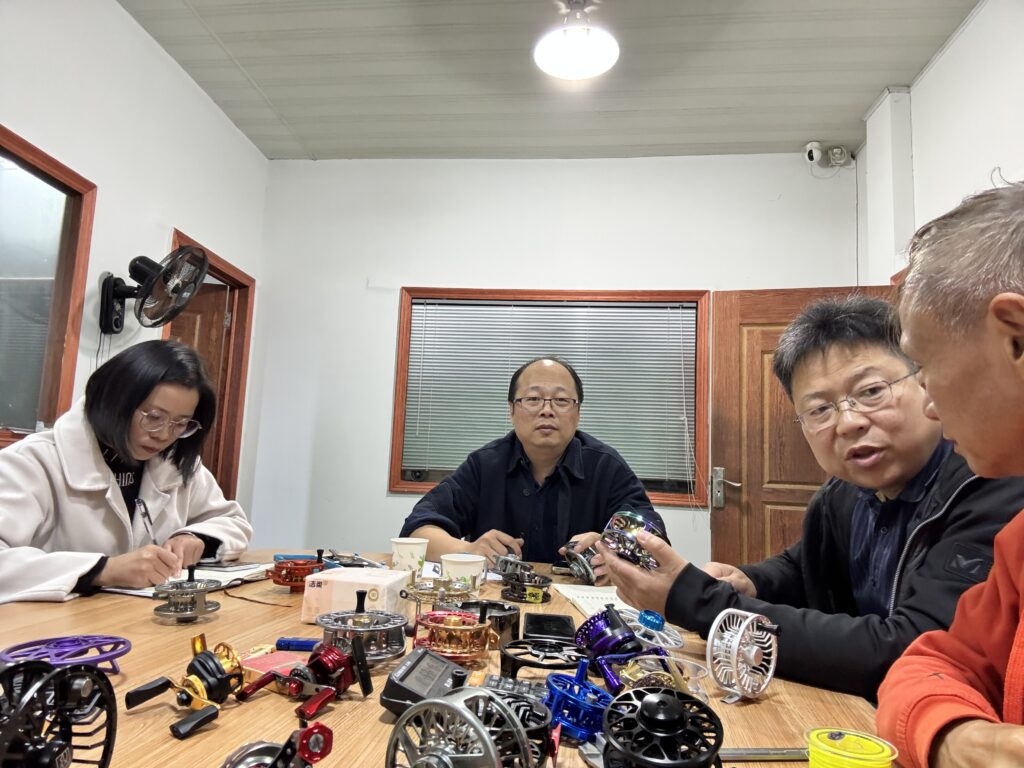
By the time I got back to the hotel, all the restaurants were closed.
Luckily, the hotel sold instant noodles.
The Details Changed Everything
The engineer and I spent another ten days fine-tuning the 3D model online. As always, the devil was in the details. Small changes in dimensions, tolerances, spool shape, frame clearance, and drag layout all mattered more than they seemed at first.
That part reminded me of rod design.
From the outside, people often see only the finished product. What they do not see is how much thought goes into every small choice, or how many adjustments it takes before something finally feels right.
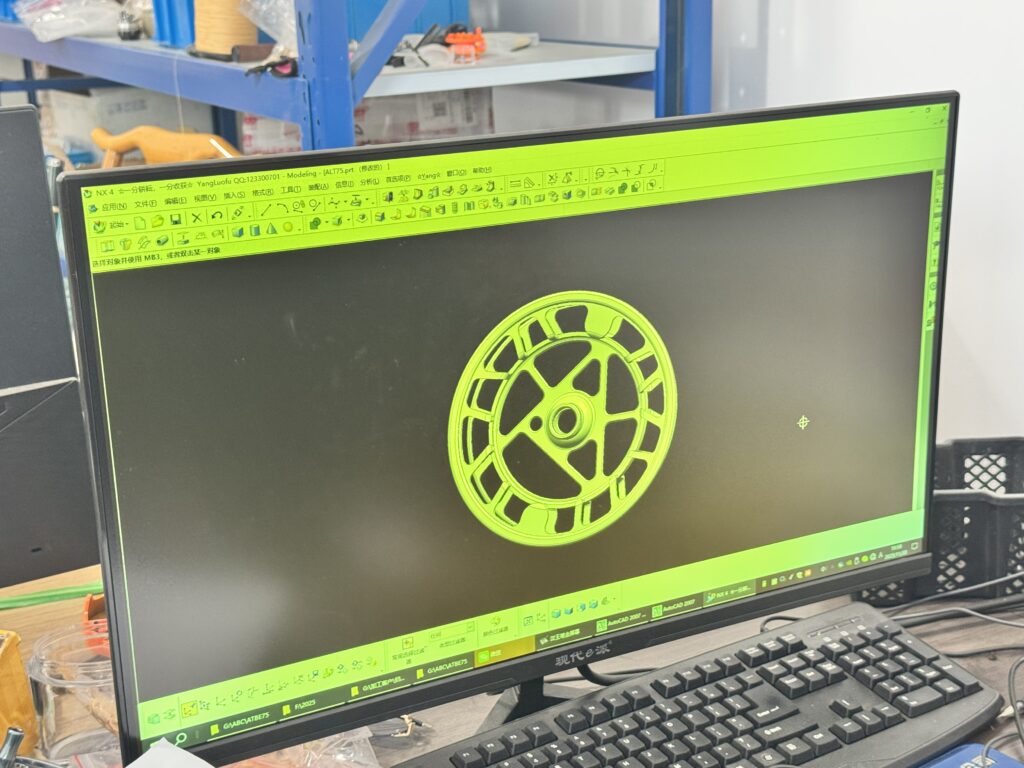
By then, I thought I had already learned a lot about reel development. But the deeper I got into it, the more I realized I was still learning every day.