

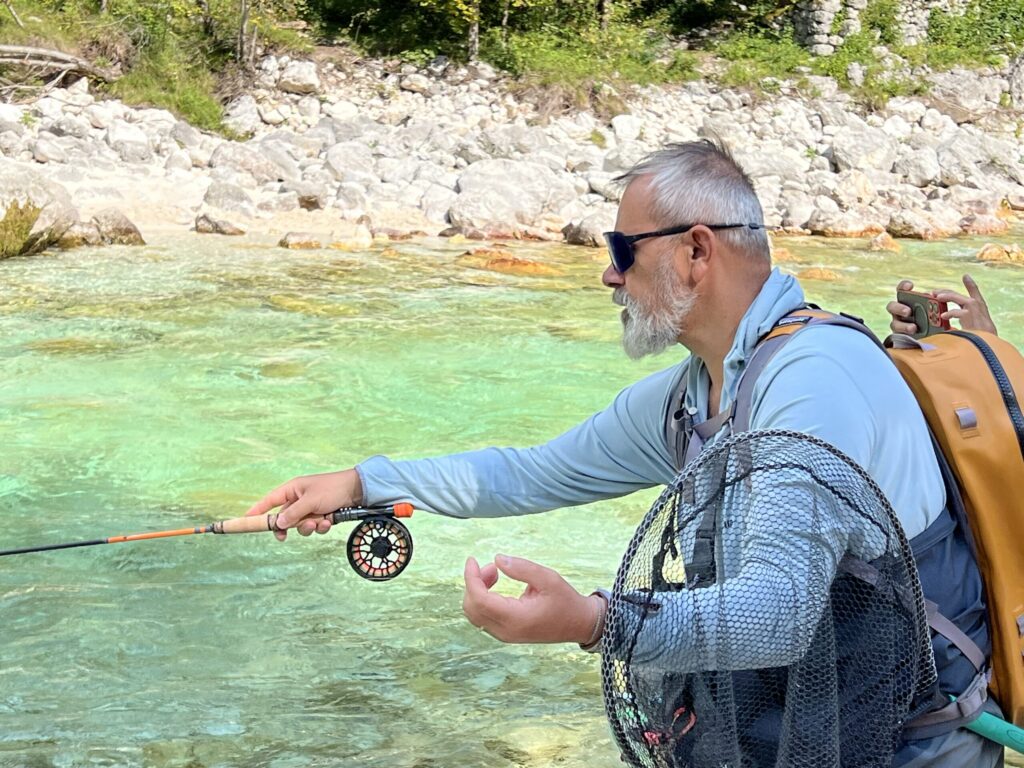
By late 2024, I finally began the first real experiments in euro nymphing rod development. It quickly became clear that a euro nymphing rod is not defined well by standard fly rod line weights. Nor is it defined by the romantic idea of long-line casting. Euro nymphing originated from European competition fly fishing. The focus is not on carrying a heavy fly line through the air. Instead, it is about maintaining contact and controlling the drift. It involves managing an extremely thin line and detecting subtle strikes. Additionally, it’s about fishing effectively in specific types of water. That realization became the true starting point for the Tanuki euro nymphing project. I was not interested in simply putting a euro nymphing label on a conventional fly rod. I wanted to build a rod around the actual logic of the method, from a tenkara rod maker’s perspective.
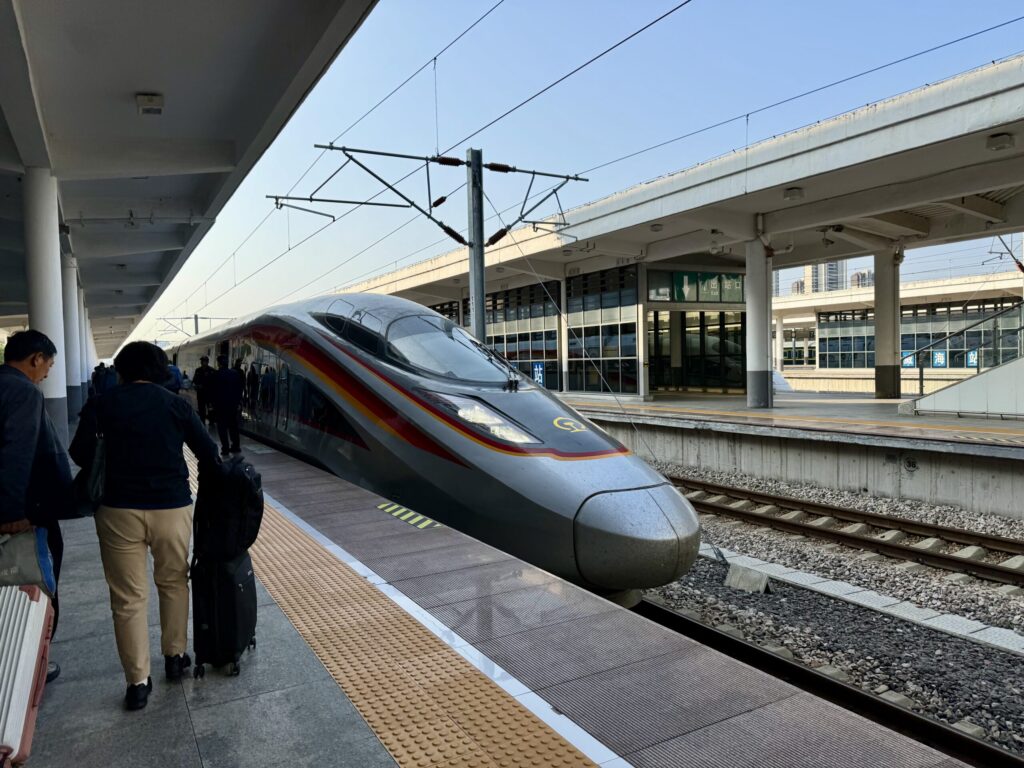
I received encouraging feedback from testers in Europe and the United States. Established rod companies also provided positive feedback. This gave me enough confidence to spend a week at the rod factory in Weihai refining the prototypes. After the Beijing Fishing Tackle Show, I took the 4.5-hour high-speed train instead of flying. I preferred the train because it was more relaxed, more spacious, and quieter than flying. It felt like the right transition between the noise of the trade show and the quiet concentration of development work. The ride gave me uninterrupted time. I think through the prototype goals. I also considered the direction the rods needed to go before arriving at the factory.
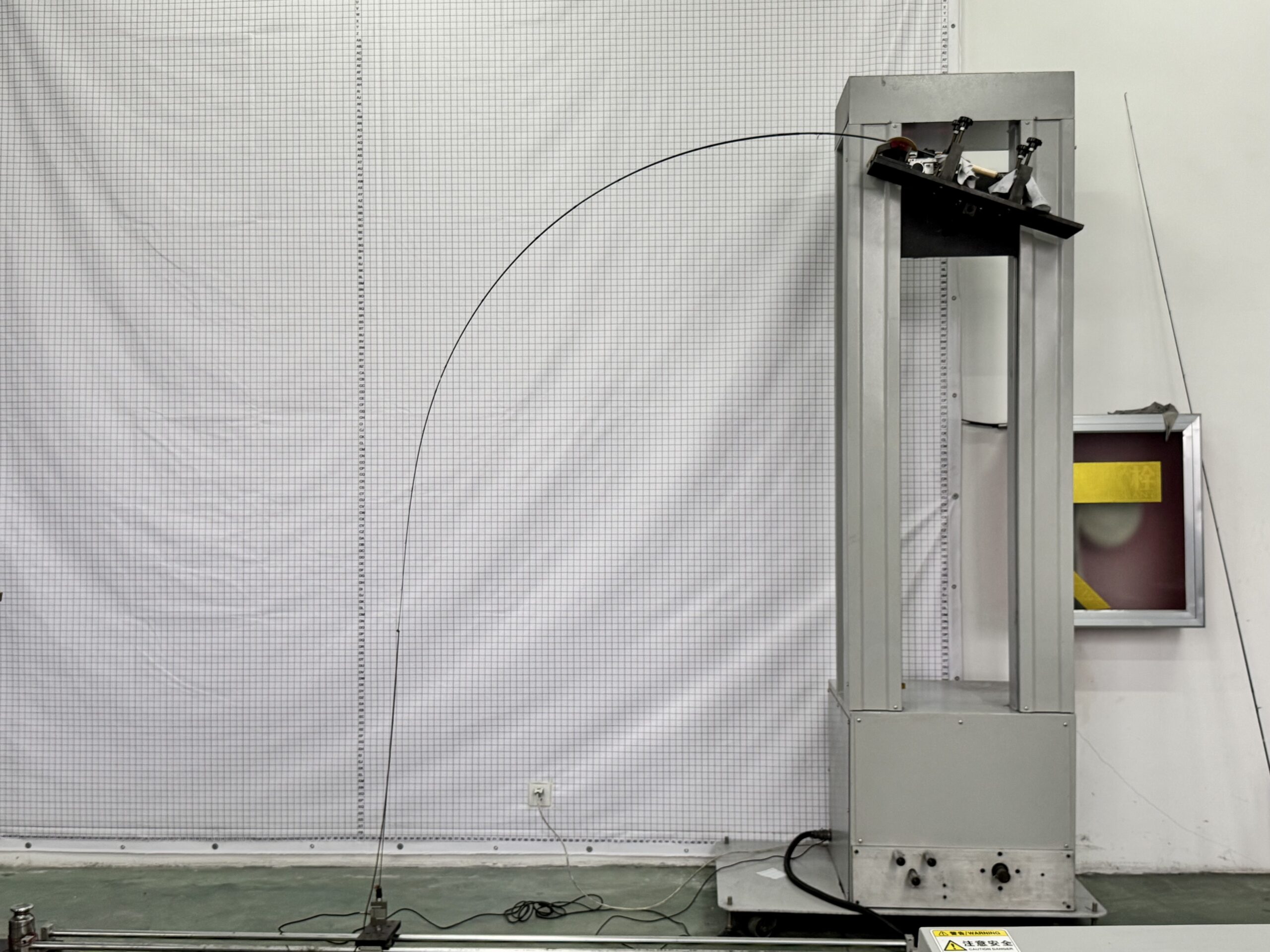
Over the years, I had worked with the same factory to build a rod testing lab. Years ago, it began with hand testing, photos, and video. This gradually evolved into a more controlled and precise system for understanding rod behavior. I used a computer-controlled lifting system. With adjustable angles, I measured a rod’s response under load. I did this in 5-degree increments. I studied bending curves. I compared resistance at different points along the blank. That gave me a way to look beyond first impressions and subjective feel, and to compare prototypes with greater consistency.
The three angles that mattered most to me were horizontal lifting. Another critical angle was about 60 to 90 degrees for fighting fish. The last important angle ranged from 90 to 110 degrees for landing fish. Those positions show what really happens on the water. Testing in the lab helped me collect data on rod materials, tapers, and construction techniques. It also gave me a better way to predict how a prototype functions before going back to the water. I believe this data will become increasingly valuable. Rod design will become more informed by digital analysis and AI in the future. In the early days, every rod needed to be lifted by hand. Each one had to be tested individually, extending the time the process took. Looking back, that slower method taught me a lot. Yet, the lab now allows me to study rods with a level of consistency. The detail achievable was not possible before.
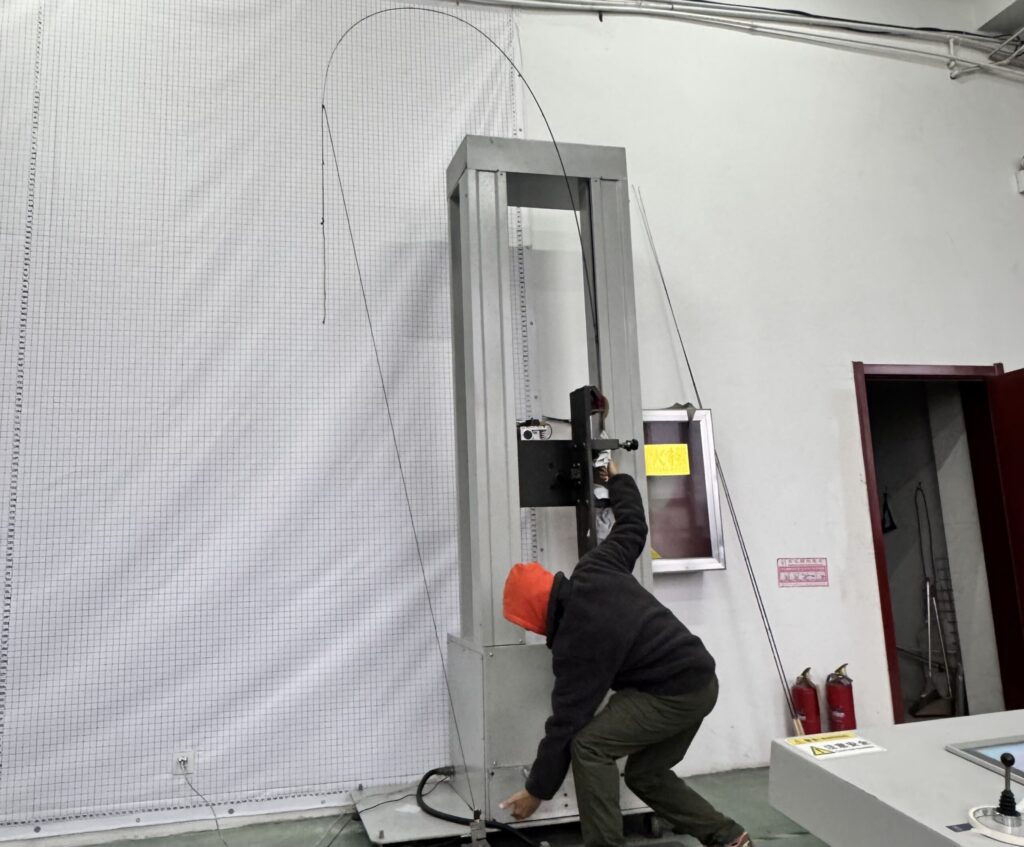
A rod can feel good in the hand, but the real test is always on the water. It must protect light tippet and control fish in current. It should keep sensitivity and lift with confidence at the angles anglers actually use. For euro nymphing, that matters because the rod has to do more than cast efficiently. It must support a contact-driven system, manage pressure precisely, and carry out well under practical fishing conditions. The lab did not replace on-the-water testing. Still, it provided a clearer engineering reference. This helped in understanding what each prototype was actually doing.
When I arrived at the factory, three different prototypes were already waiting for me to test. After each round, we turned around a revised prototype in about 24 hours. We worked every day from 8 a.m. until about 10 p.m. On the final evening, we stopped at midnight just to make sure the hot pot restaurant was still open.
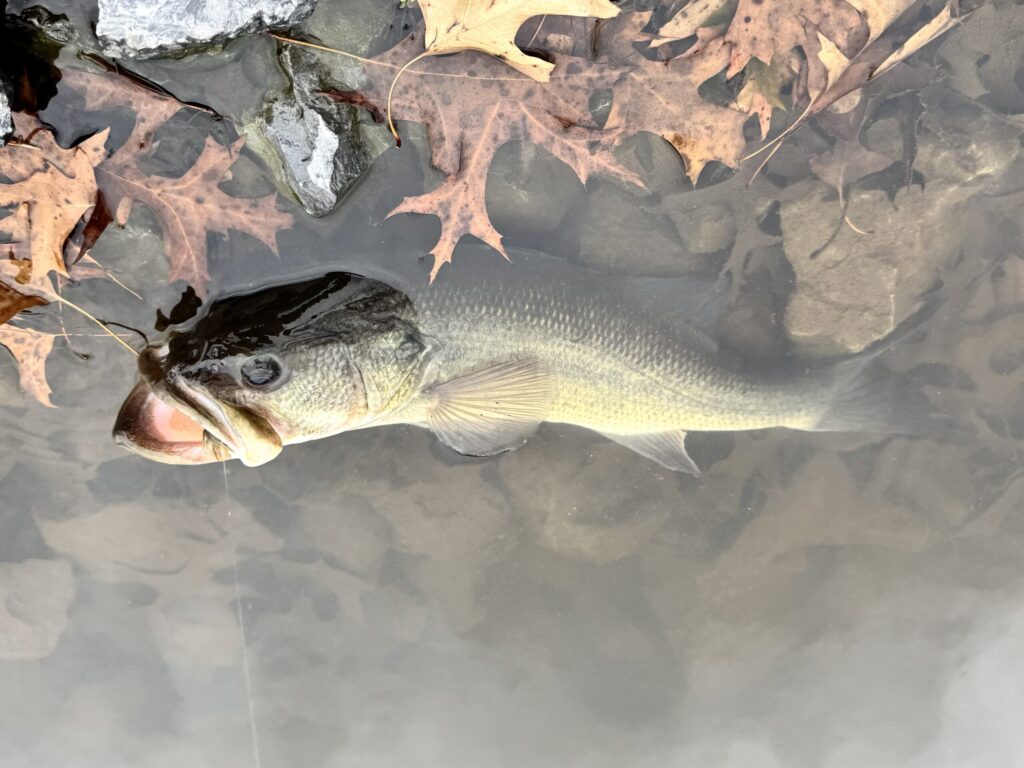
By the end of the week, I was tired, but I flew back to the U.S. with a prototype in hand and took it straight to the lake in Denver, Pennsylvania. The weather was cold and unsettled, with rain, hail, and snow through most of the morning. By the time the sky finally cleared, the wind was still blowing. The air still had that sharp late-winter bite. I would not wait any longer. After a few casts, the first fish was a largemouth bass, followed by ten good-sized rainbow trout. Later, I posted the photos in a Euro Nymphing group on Facebook. Most of the comments said the rod was meant for streams, not still water. My answer was simple: if the water does not move, I move the rod. The prototype handled it just fine.