
Last week began with a simple plan. I wanted to attend the Kern River Trout Fest, test the new Tanuki Euro Nymphing rod and reel, and spend a little time fishing in the Sequoia National Forest. But as often happens on a fishing trip, the road had its own plan.
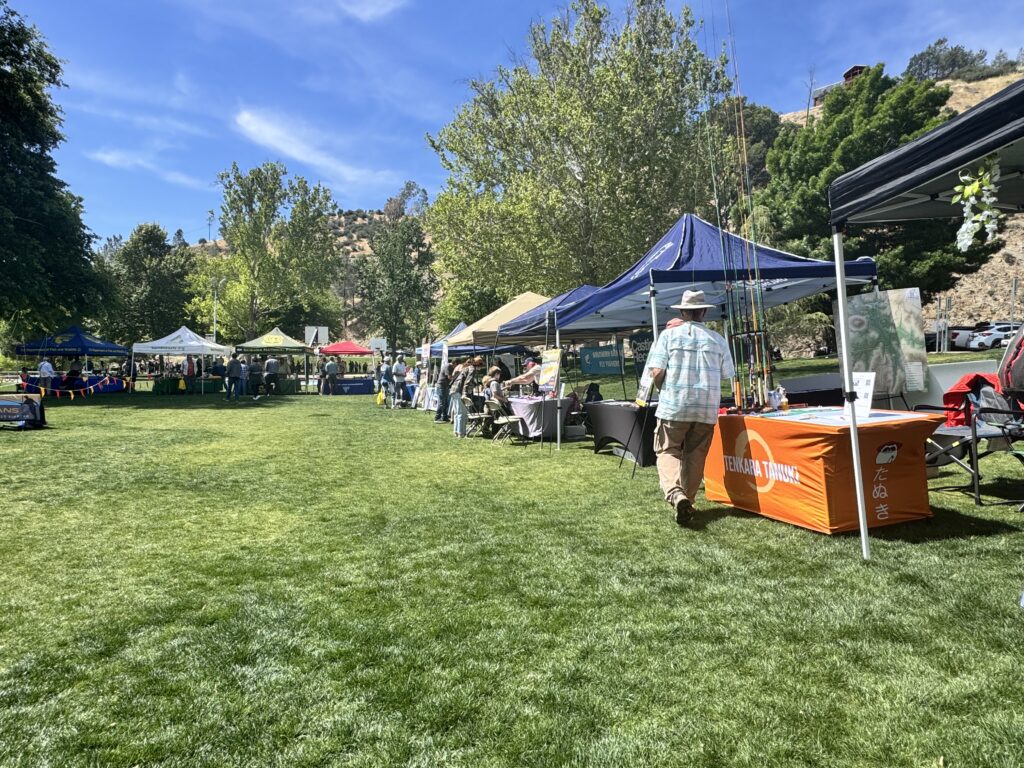
I was invited by Thomas Paulson to stay at R-Ranch the day before the event. R-Ranch is a private ranch in the Sequoia area. On the way there, my Toyota RAV4 decided to make the trip more interesting. Near the peak of the road, the cooling system blew up. Luckily, I was only a few miles from the ranch. I was also about one minute away from entering a dead zone with no cell signal. The nearest repair shop was still about an hour and a half away in Lake Isabella. Sometimes, timing is everything.
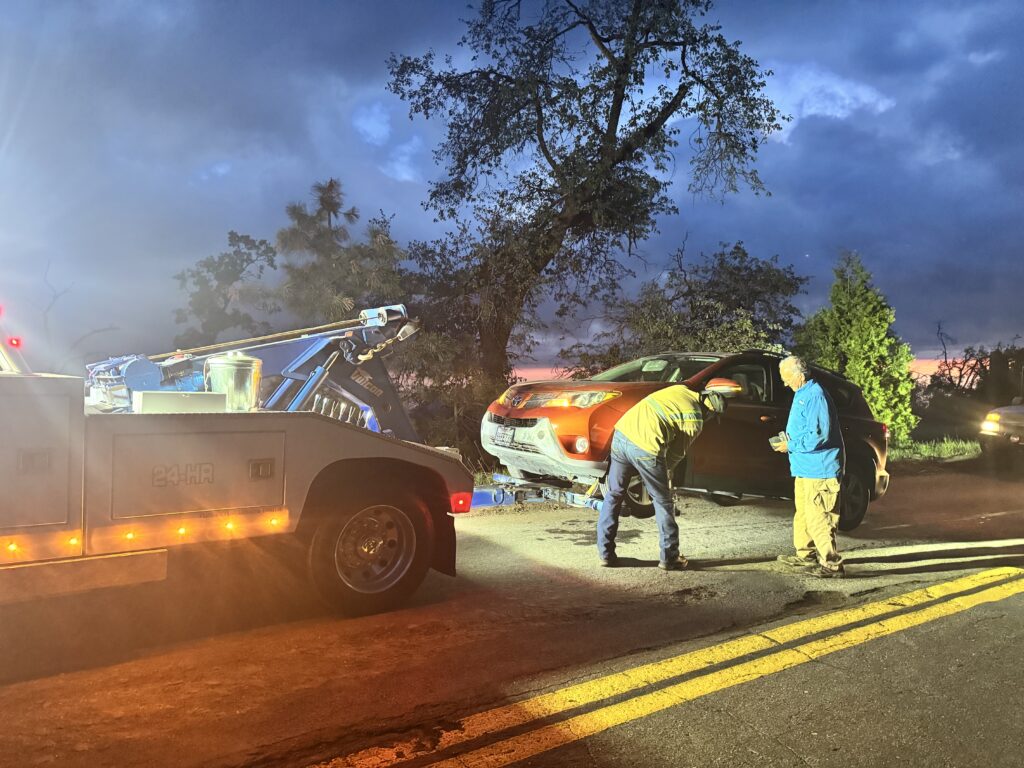
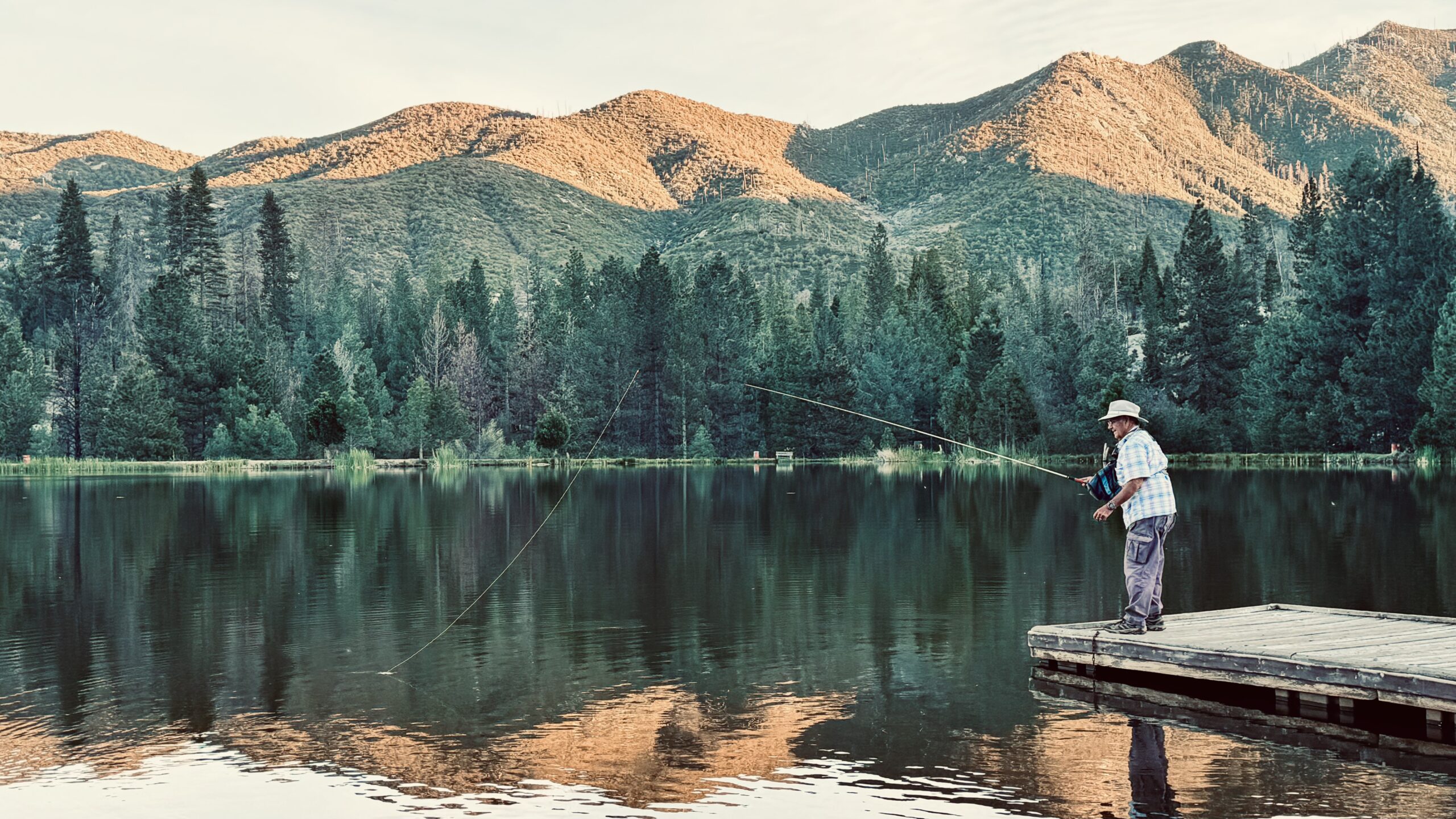
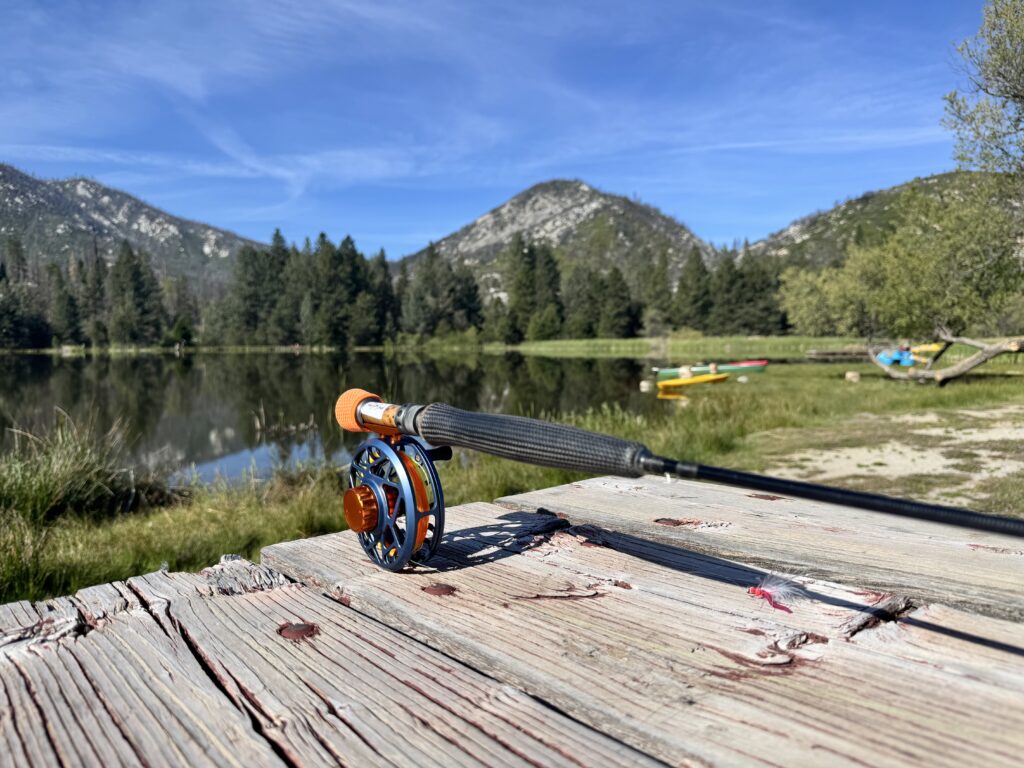
While I waited for the car repair, Thomas kindly extended my stay at the ranch for a few more days. That gave me an unexpected opportunity. I was able to test the Euro Nymphing rod on the ranch’s alpine lake. The lake is full of bluegill, crappie, and bass. A Euro Nymphing rod is not really designed for lake fishing, so this became an interesting experiment. I had time to slow down and focus. I began developing new techniques for fishing warmwater species with a long, sensitive rod.
One thing I learned quickly: crappie were the hardest fish to detect. Their takes were very subtle. Sometimes they felt like a large trout sipping softly in a deep pool. Bluegill were easier. They often hit with a sharper double-tick. Bass were different again. They made me rethink my timing.
At night, we tied flies. We also ate very simple micro-dinners because we did not have much time to cook. We watched Jaws while tying flies. Somehow, that felt perfect for a fishing trip. I also tied a new fly pattern. Thomas showed me some of his go-to flies.
I really enjoyed staying at the ranch. It is quiet, beautiful, and has the feeling of an alpine resort. Thomas suggested that we host a warmwater fishing getaway there. It would be for anglers who want a few days to slow down, enjoy nature, and fish. The ranch is about twenty minutes from the Kern River. There are also many hiking trails nearby. For anglers who want to explore, there may be chances to look for wild native Kern River rainbow trout. The ranch also offers horseback riding for a small fee. For anglers who want to focus on catching fish, the 10-acre lake is right there. And it is full of fish.
After the ranch, I followed Thomas to Bishop. The plan was to continue testing the rod on rivers and ponds. When we arrived, it was raining. Snow was falling in the mountains. We saw fish rising in a small pond and decided to try our luck. It turned out the pond had been well stocked.
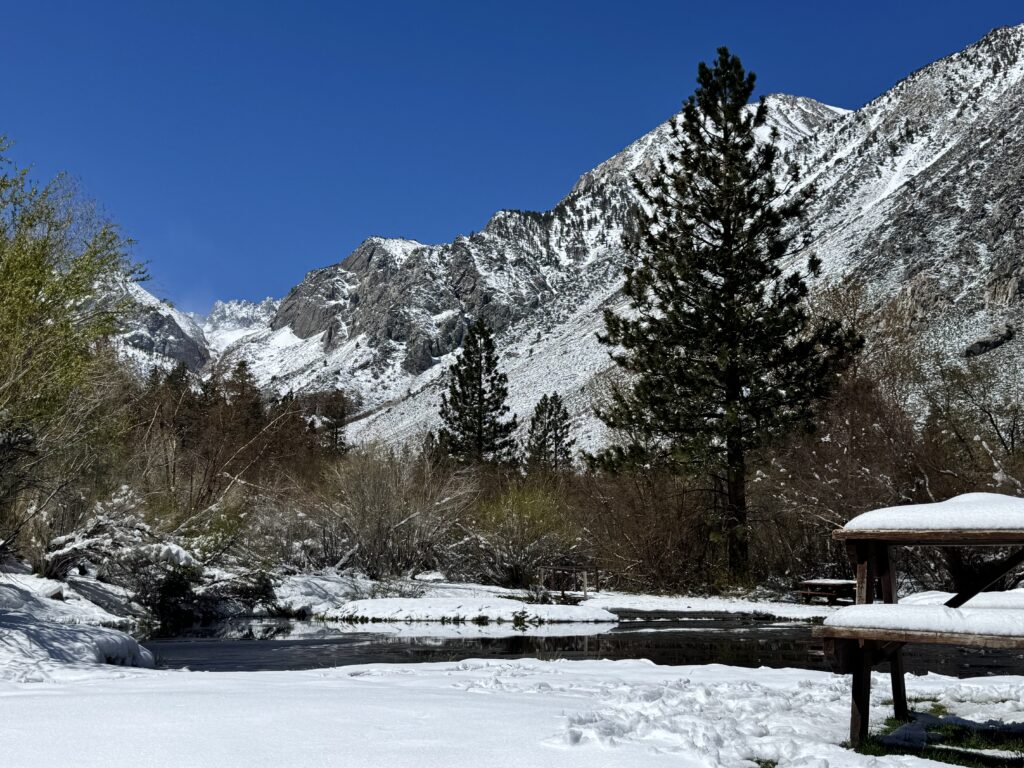
I hooked two big fish. They gave me a real challenge. Because of the cloud cover, it was hard to see the line. But Euro Nymphing is not only about seeing. It is also about feeling the bite. By the end, I landed about 18 fish. Thomas, fishing with his tenkara rod, landed about 27. We both noticed one thing clearly. Rigging a Euro Nymphing setup takes more time than rigging a tenkara rod. Tenkara still wins when it comes to simplicity and speed.
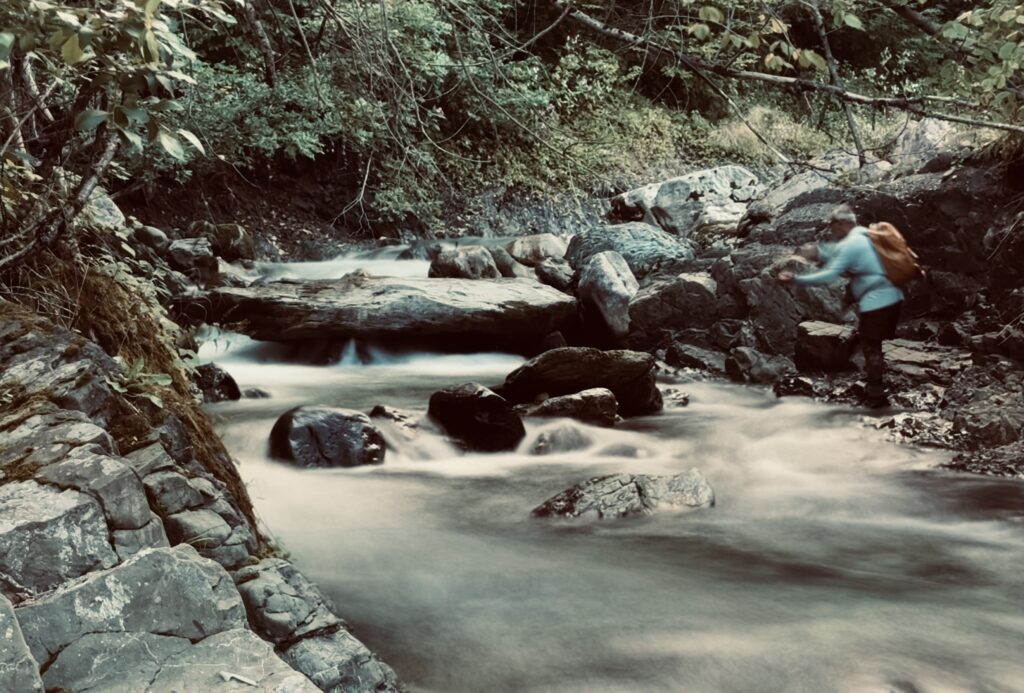
Over the next few days, Thomas introduced me to different local waters around Bishop. I started turning my attention to bass hunting. I hooked several good-sized bass, including one in the fast water of the Owens River. That was a lot of fun. I also tried a small stream that looked almost like trout water. It was clear, shallow, and technical. But the bass there were extremely spooky. I managed to land two. Those fish taught me a lot.
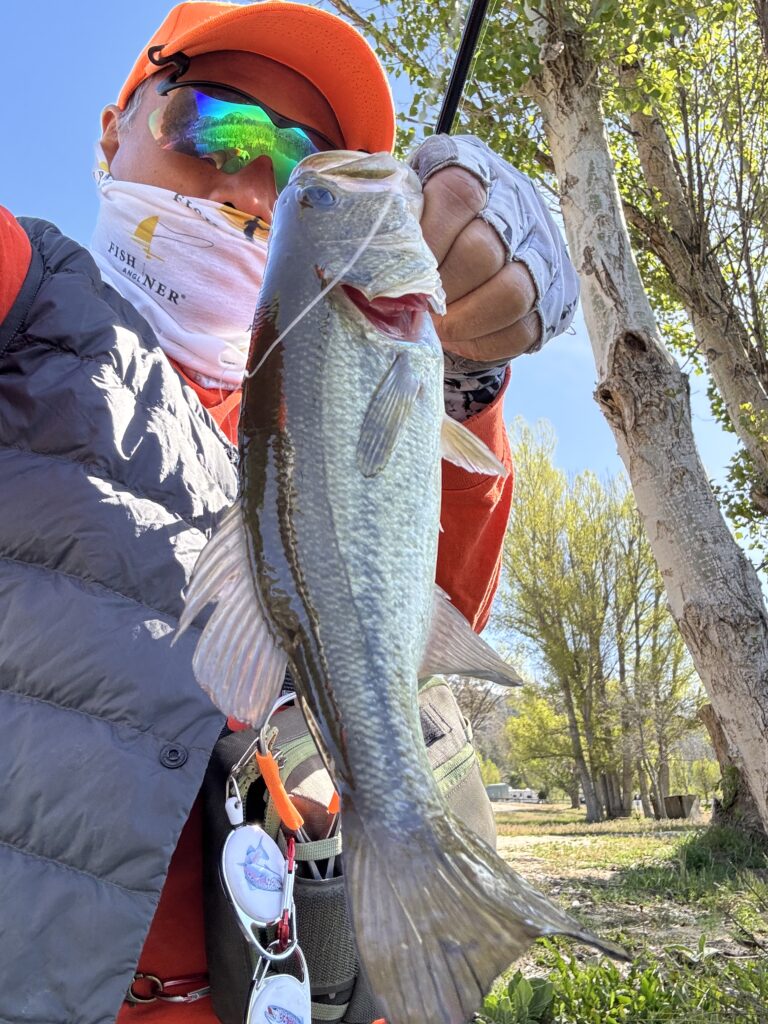
Bass are not trout. With trout, I often react quickly when I feel the take. But with bass, especially in slower or deeper water, they sometimes sip the fly first. If I reacted too fast, I pulled the fly right out of their mouth. I had to remind myself to be patient. Let the fish take it. Pause for a moment. “God save the Queen.” Then set the hook.
On the last day, I focused again on wild trout. That was a nice way to end the trip. After several days of trying to understand bass, crappie, and bluegill, detecting trout takes felt much easier. The contrast was valuable. Trout, bass, crappie, and bluegill all speak a different language through the rod.
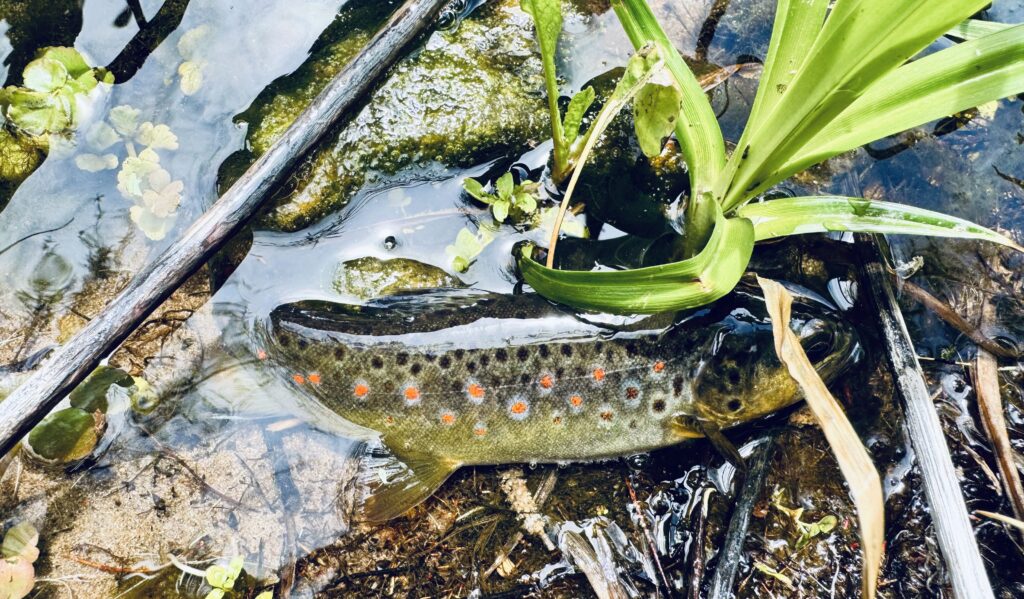
This trip began with a broken car and an unexpected delay. But it turned into one of the most useful field-testing weeks I have had. I tested the Euro Nymphing rod and reel in situations they were not originally designed for. I learned more about warmwater fish behavior. And I gained new ideas for future rod development.
I did not expect this trip to become a warmwater and lake test for the Euro Nymphing rod. But in the end, I caught bass, bluegill, crappie, stocked trout, and wild trout. I also tested the rod in still water, ponds, small streams, and different flows of the river. It became a much broader field test than I had planned.
I also broke the rod tip twice. It did not break on a fish. It broke on a tree because I was a little impatient. Luckily, both breaks were only a few inches from the tip top, so I was still able to keep fishing. That is also part of testing. The reel performed beautifully. The full-frame design did exactly what I hoped it would do. The line did not cross over the spool or get tangled.
Sometimes the best testing does not happen when everything goes according to plan. Sometimes it happens when the plan breaks down. And sometimes, you are lucky enough to be near good water, good friends, and fish willing to teach.