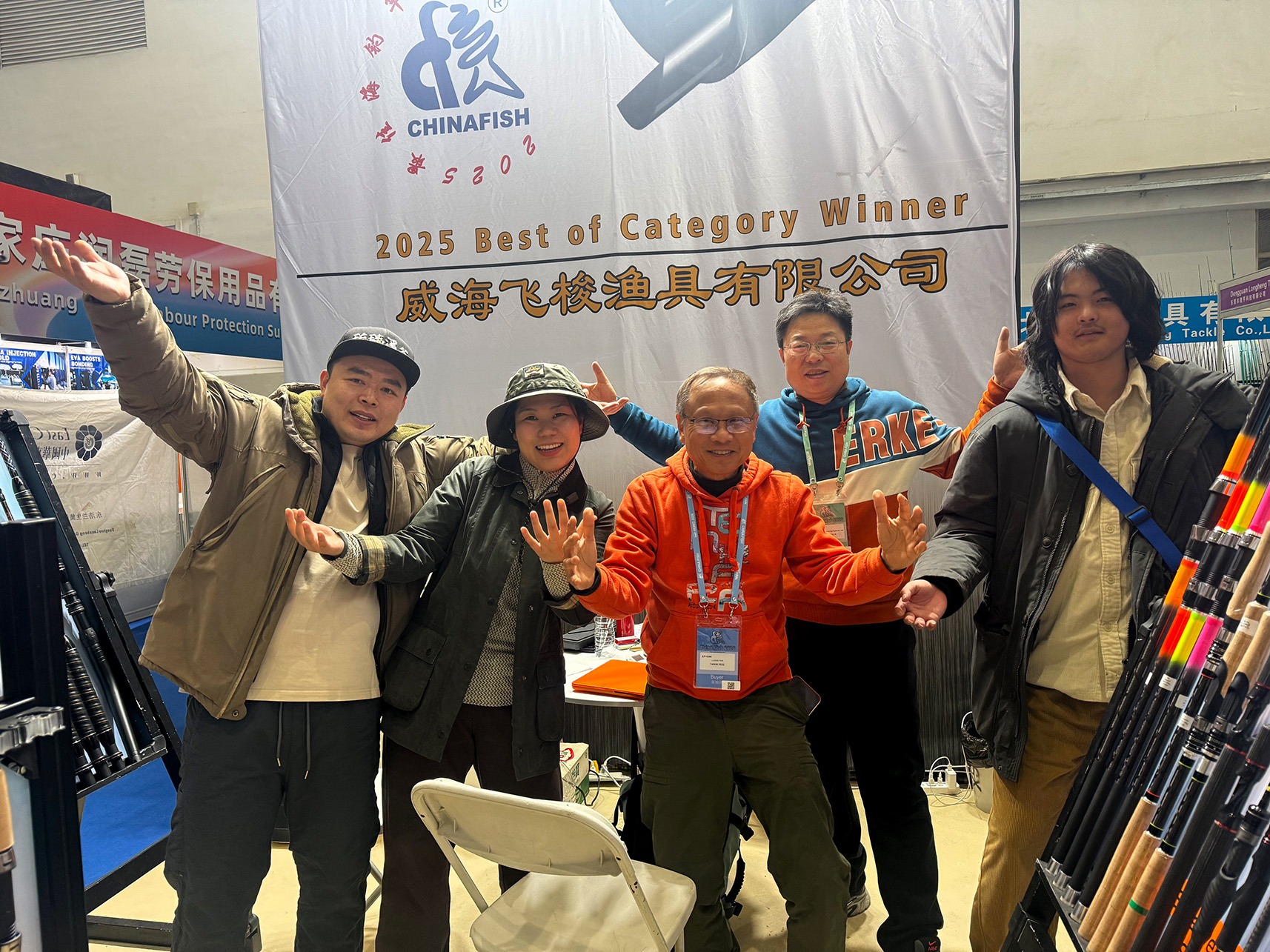

This year, I made my first trip to the Beijing Fishing Tackle Export Show in Beijing, China. I went for a practical reason. I wanted to meet many of my suppliers in one place. I aimed to continue developing the euro-nymphing project without having to fly from factory to factory. Making that trip meant giving up something familiar. The show was on the same weekend as the Pleasanton Fly Fishing Show. I normally have a Tenkara Tanuki booth there. For the first time in years, I had to miss Pleasanton.
I landed in Beijing and took the Airport Express into the city. The moment I stepped outside, the cold hit me hard. Beijing felt like the North Pole. It was 32°F, about 0°C. Then I arrived at the hotel, and the contrast was almost shocking. Inside felt like an oven, around 80°F, or 27°C. My room was so warm I had to turn off the thermostat. In one day, I felt like I had traveled between two seasons.
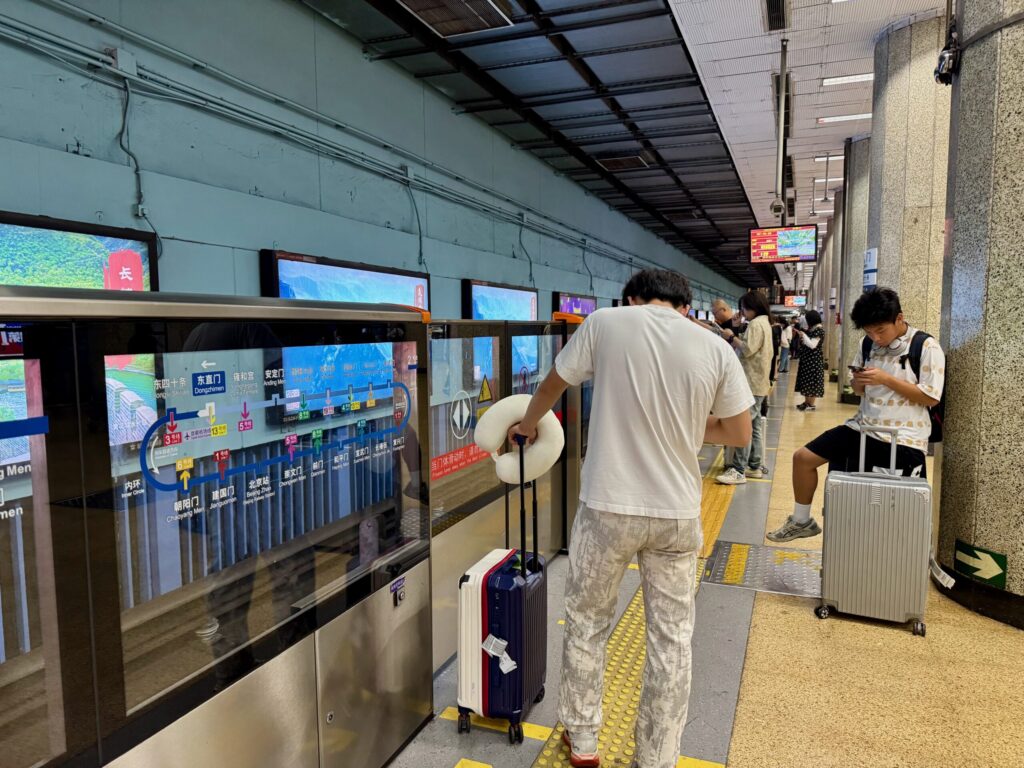
I checked in and then went back out. I took the subway to the convention center. I wanted to make sure I knew the route for the next morning. I have been to Beijing enough times that the subway system feels familiar to me now. That is why I chose a hotel in central Beijing. It is right next to a station. The hotel is about 50 minutes from the show. I had arrived a day early, thinking I will have time to explore the city after the event.
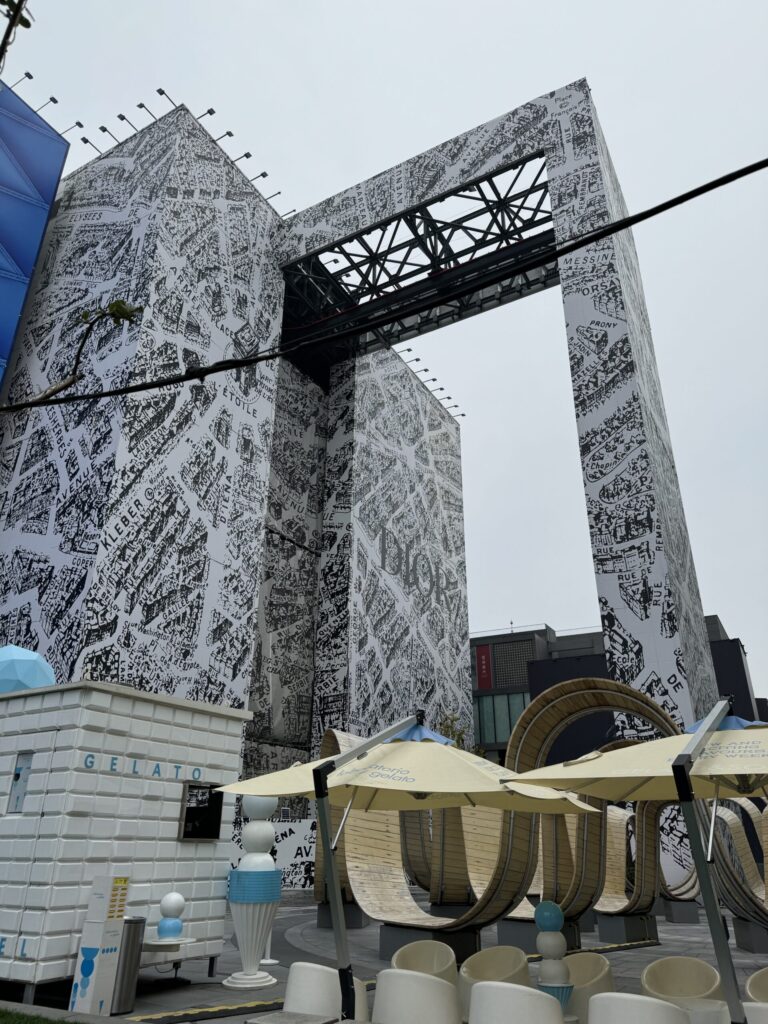
But the trip had other plans for me.
Each evening after the show, I found myself at dinner with vendors and guests from around the world. They were German, French, Egyptian, Italian, and Russian. We sat around large banquet tables, sharing dishes, stories, and conversations that moved easily from one language to another. I was the only person at the table who could not speak Chinese. That made me feel a little embarrassed. Still, there was something memorable about sitting there in Beijing. I was surrounded by people from so many countries. Everyone was connected in some way by fishing.
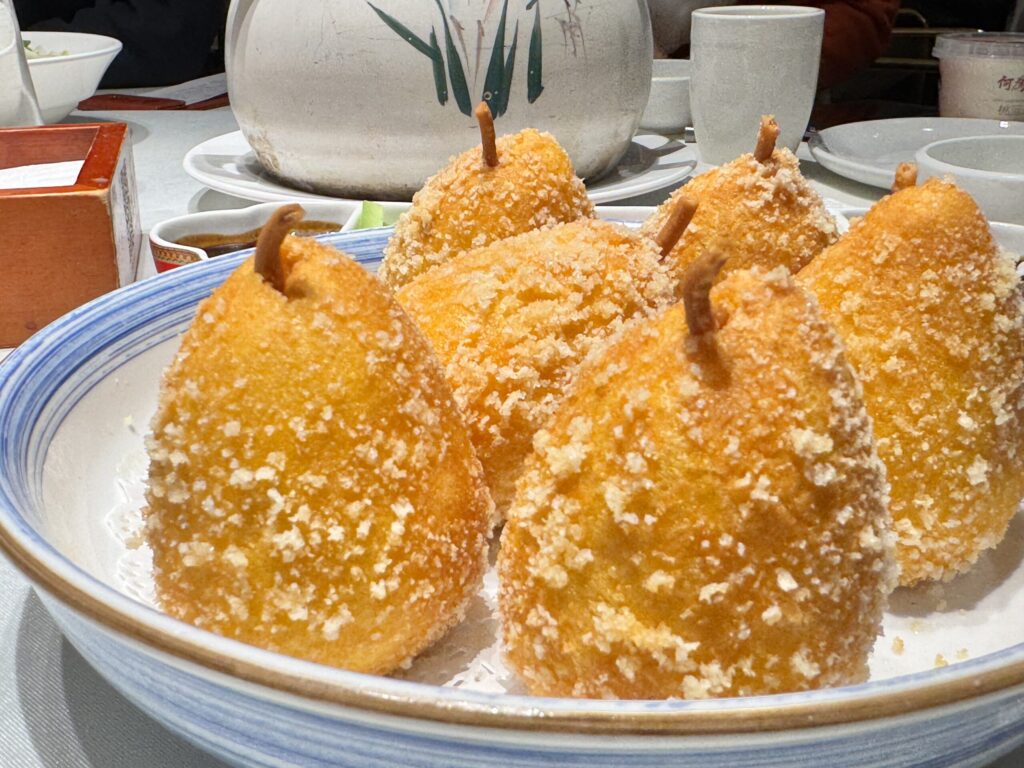
One night we ate Peking duck, one of Beijing’s most famous dishes. I noticed something unique and charming. At these large banquets, dessert often came first.
The show itself was enormous—around 1,000 exhibitors spread across three giant halls, each about the size of two football fields. Yet among all that scale, only a small handful had anything to do with fly fishing. That made those booths matter even more to me. Hidden inside a massive tackle industry show was the small corner I had come for.
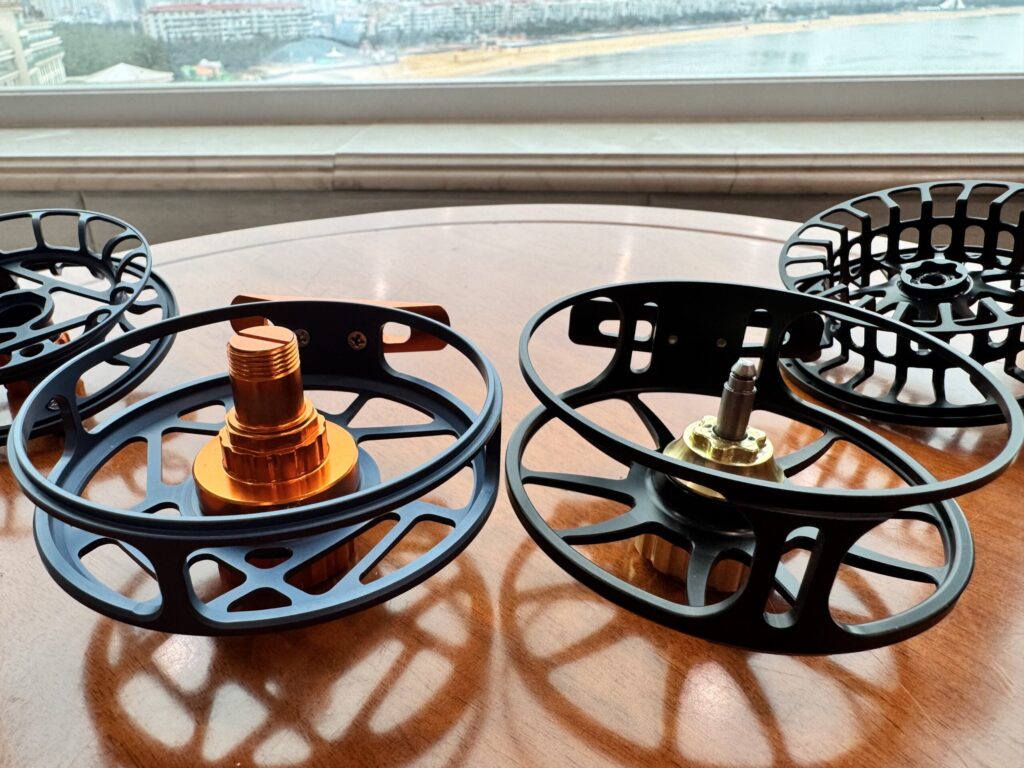
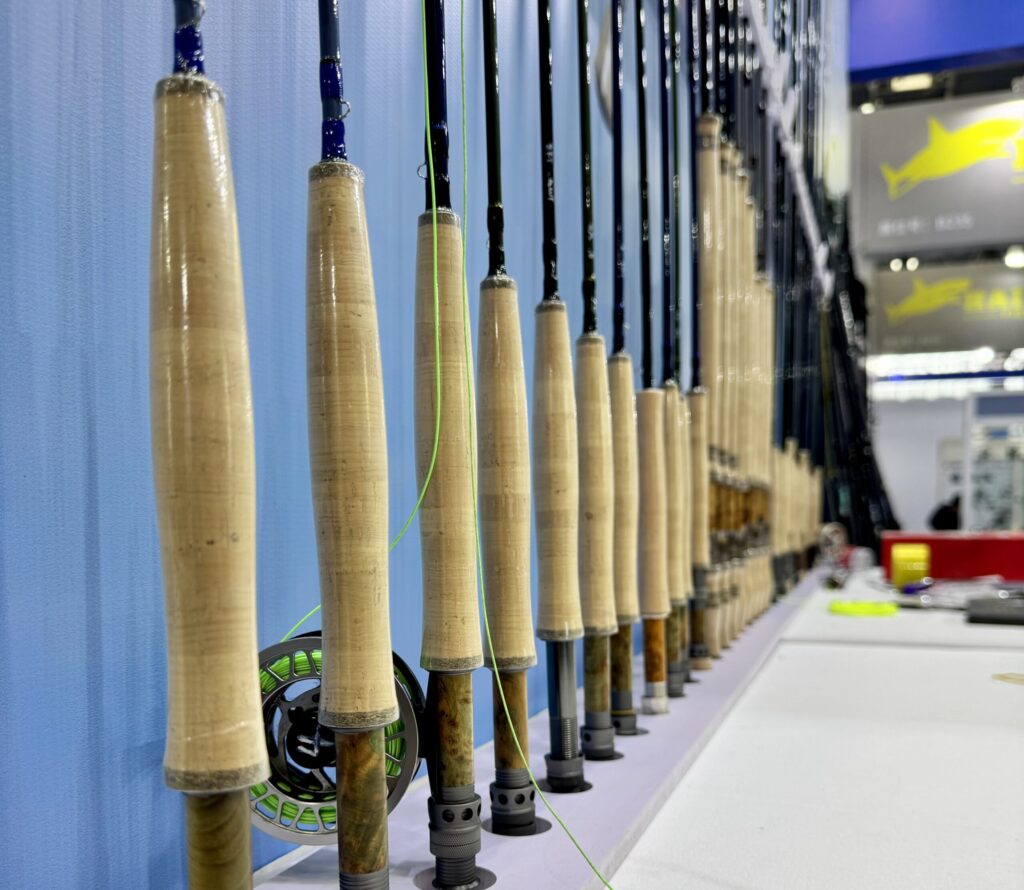
I spent most of my first day focused on Euro-nymphing reels and the second day working on fly lines. In between, I was often invited to cast new rods with staff from different fly-fishing factories. Those moments were more than casual fun. They reminded me that tackle design is not only done on paper, on screens, or in factory meetings. Sometimes it happens in quick conversations. It occurs in a few test casts. It materializes in the feeling of a rod loading and unloading in your hand.
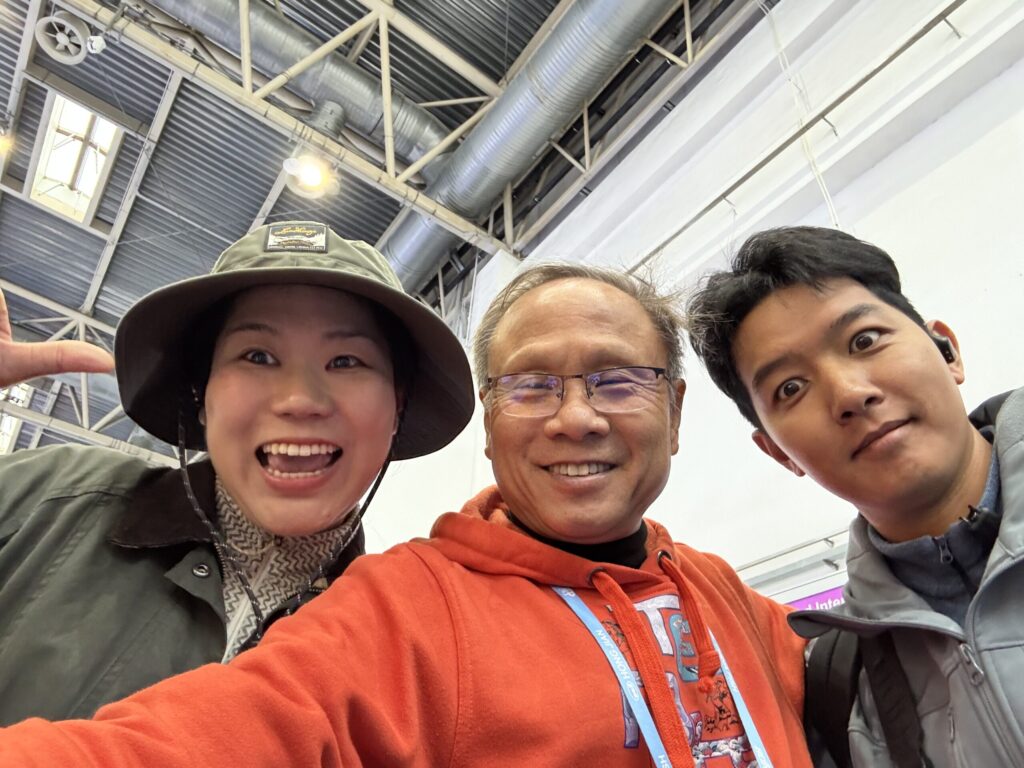
That was also where I ran into Miss 39. She is a social media influencer who was excited to join the Tanuki team as an ambassador. I also met a few local fly anglers, and we exchanged casting techniques and thoughts about fishing. Those small connections stayed with me. The trade show was huge and full of products, displays, and noise. Nevertheless, the human moments gave the trip its meaning.
The reel project had already been moving for months before I arrived in Beijing. After I released my first Euro-nymphing rod prototype in August of last year, testers began asking for a matching reel. That simple request started a new path. I sent design requests to several reel factories in Ningbo. This city is known for reel manufacturing. Last December, I visited them to work out the specifications. Each factory developed a different style of reel. By the time I reached Beijing, I had already seen the first prototypes. The show gave me the chance to continue refining them in person. Meeting face to face is always better than trying to do everything through messages and shipped samples.
On the last day of the show, I spent time with the Pac Bay team. We were working on custom guides for the Tanuki Euro-nymphing rod. I first met Tony, the new president of Pac Bay, two years ago. By that afternoon, the energy of the show was already beginning to drain away. Although the official closing time was 4:30 p.m., many exhibitors started packing up around noon. By about 2 p.m., half the hall was already empty. It felt like watching a temporary city quietly disappear.
When the show ended, I went back to the hotel exhausted. I finally needed a nap to catch up with the jet lag. When I woke up, it was already dark outside. It was time to look for food. I also needed to finish packing for the next leg of the journey to Weihai by high-speed train. Weihai is the center of fishing rod manufacturing in China. I thought I knew how to get to the high-speed train station. However, being too confident sometimes creates its own problems. What should have been a simple 50-minute trip to the station turned into an adventure of its own.